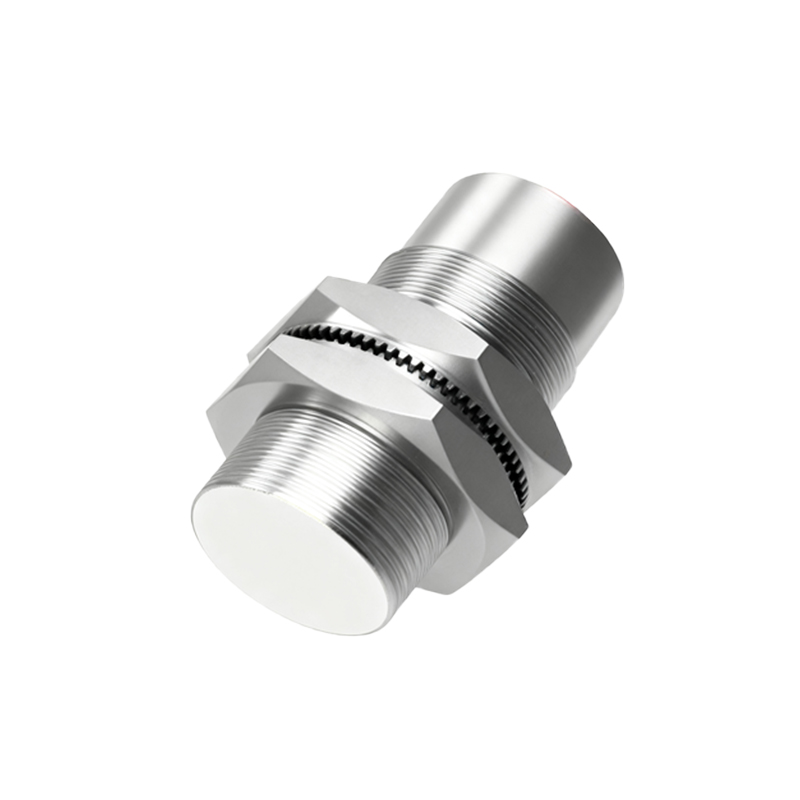
In the rapidly evolving landscape of industrial automation, proximity sensors have emerged as critical components for enhancing efficiency, safety, and precision. As a seasoned electrical engineer with extensive field experience, I am excited to share insights into the latest advancements in proximity sensor technology. This article highlights key innovations and provides recommendations for selecting the right sensors to meet modern industrial demands.
Traditional inductive and capacitive proximity sensors have long served as reliable workhorses in detecting metallic and non-metallic objects, respectively. However, recent developments have introduced sensors with enhanced capabilities, such as increased sensing ranges, improved immunity to environmental interference, and smarter communication protocols. Among the most notable advancements are ultrasonic and laser-based proximity sensors, which offer unparalleled accuracy in distance measurement and object detection, even in challenging conditions like dust, moisture, or extreme temperatures.
One standout recommendation is the adoption of IO-Link enabled proximity sensors. These sensors not only detect presence but also transmit diagnostic data, enabling predictive maintenance and reducing downtime. For instance, models from leading manufacturers like SICK, Pepperl+Fuchs, and Omron now feature integrated intelligence that monitors sensor health, adjusts parameters in real-time, and communicates seamlessly with PLCs and IoT systems. This connectivity is pivotal for Industry 4.0 applications, where data-driven decision-making is paramount.
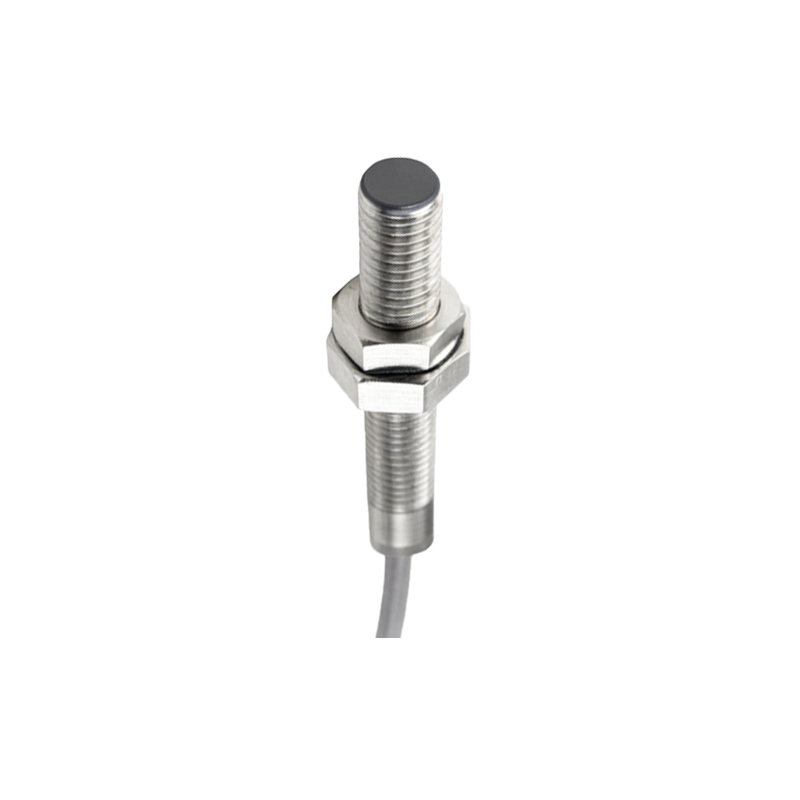
Another innovation worth considering is the development of compact, high-frequency sensors designed for fast-paced production lines. These sensors, with response times as low as microseconds, are ideal for applications in packaging, robotics, and automotive assembly. Their miniaturized form factors allow for easy integration into tight spaces without compromising performance. Additionally, advancements in materials science have led to sensors with robust housings resistant to chemicals, vibrations, and mechanical stress, ensuring longevity in harsh industrial environments.
When selecting a proximity sensor, engineers must evaluate factors such as sensing distance, output type (e.g., NPN, PNP, or analog), and environmental ratings. For example, in food processing or pharmaceutical industries, stainless steel sensors with IP69K ratings are essential to withstand frequent washdowns and maintain hygiene standards. Meanwhile, in metalworking or welding applications, sensors with weld-field immunity prevent false triggers from electromagnetic interference.
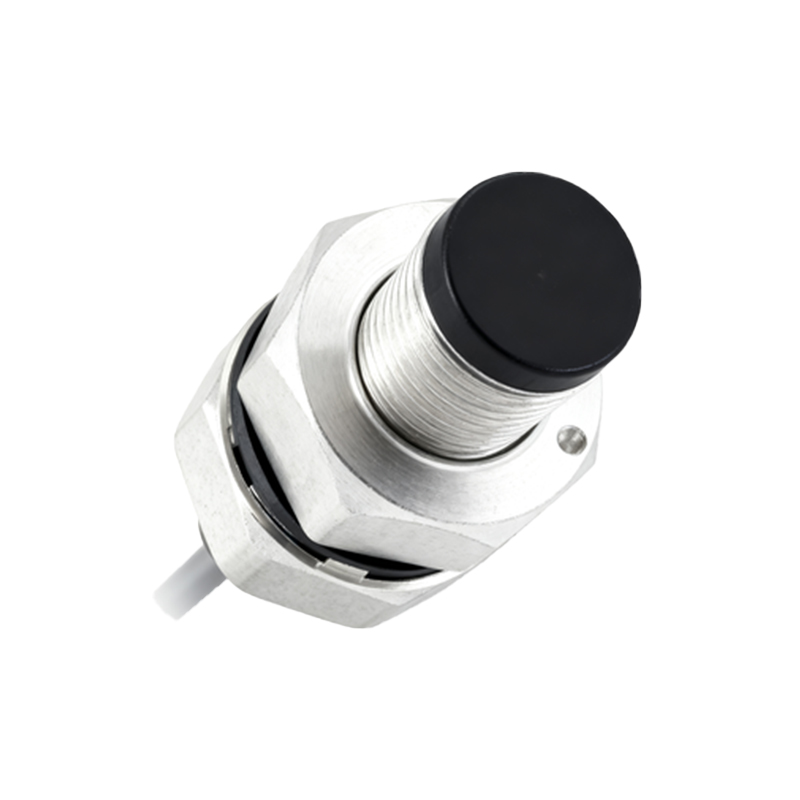
Looking ahead, the integration of AI and machine learning algorithms with proximity sensors is set to redefine automation. Smart sensors capable of learning patterns and adapting to dynamic conditions will further optimize processes and reduce human intervention. As industries strive for greater sustainability, energy-efficient sensors with low power consumption are also gaining traction, aligning with global green initiatives.
In conclusion, the new generation of proximity sensors offers transformative benefits for industrial automation. By leveraging technologies like IO-Link, ultrasonic sensing, and compact designs, businesses can achieve higher productivity, improved safety, and cost savings. As an engineer, I recommend staying abreast of these trends and collaborating with reputable suppliers to implement solutions tailored to specific operational needs. The future of proximity sensing is bright, driven by continuous innovation and a commitment to excellence in electrical engineering.