In demanding industrial environments where operations extend into sub-zero temperatures, the reliability and accuracy of sensing equipment are paramount. Low temperature resistant proximity sensors have emerged as critical components in sectors such as logistics, automotive manufacturing, food processing, and outdoor machinery. These sensors are specifically engineered to maintain optimal functionality in extreme cold, often down to -40°C or lower, without compromising on detection range or response time.
The core technology behind these robust sensors involves advanced materials and design adaptations. Traditional proximity sensors may experience signal drift, reduced sensitivity, or complete failure in freezing conditions due to factors like condensation, material contraction, or battery performance degradation. In contrast, low temperature variants incorporate specialized housing materials such as stainless steel or engineered polymers that resist brittleness. Internal components, including oscillators and amplifiers, are calibrated to operate consistently across a wide thermal spectrum. Many models also feature heated elements or thermal insulation to prevent ice buildup on the sensing face, ensuring uninterrupted operation in environments like cold storage facilities or Arctic drilling sites.
Performance metrics for these sensors are rigorously tested under standardized conditions. Key parameters include switching frequency, which must remain stable despite thermal fluctuations, and repeat accuracy, crucial for automated assembly lines in automotive plants where precision is non-negotiable. The sensing distance, whether inductive, capacitive, or ultrasonic, is another critical factor; it should not diminish in cold settings. For instance, inductive sensors used in freezer warehouses for pallet detection must reliably identify metal objects through frost or thin ice layers. Additionally, electrical characteristics like voltage range and current consumption are optimized to account for reduced battery efficiency in low temperatures, often integrating fail-safe circuits to prevent false triggers.
Applications span diverse industries. In food processing, sensors monitor conveyor systems in blast freezers, ensuring packaging integrity without physical contact. In renewable energy, they facilitate turbine blade positioning in offshore wind farms exposed to frigid seas. The automotive sector relies on them for robotic welding arms in unheated factories, where consistent detection of vehicle frames is essential. Each use case demands specific certifications, such as IP67 or IP69K ratings for moisture resistance, alongside compliance with standards like IEC 60947-5-2 for operational safety.
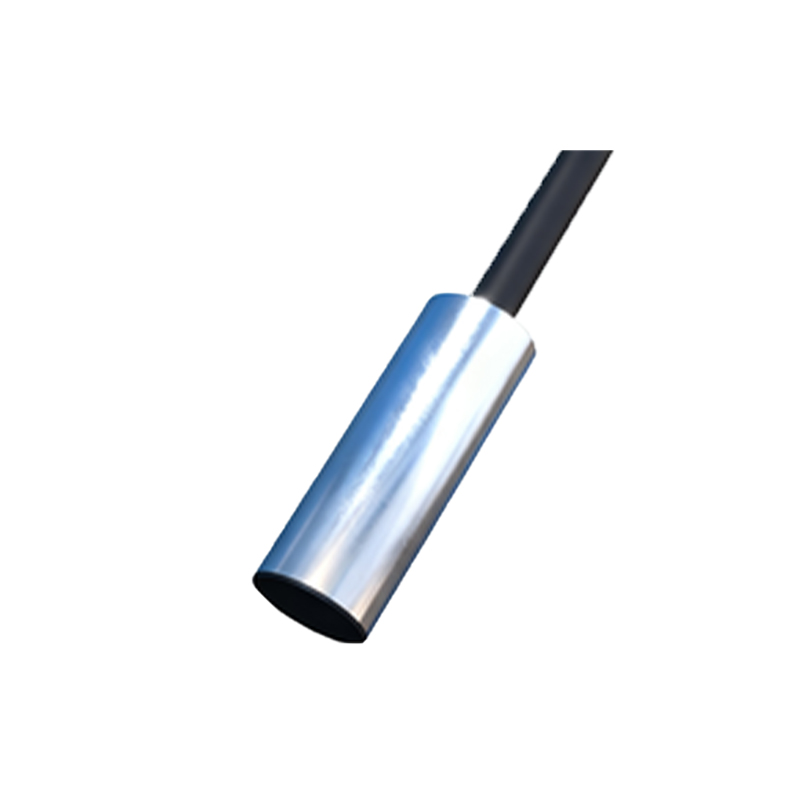
Maintenance and selection guidelines emphasize environmental compatibility. Engineers must consider not only the minimum temperature but also thermal cycling effects, which can cause fatigue in sensor housings over time. Regular calibration checks are recommended, especially after exposure to rapid temperature changes. When integrating these sensors into control systems, it is advisable to use shielded cables to mitigate electromagnetic interference, which can be more pronounced in cold, dry air. Future trends point toward smart sensors with embedded diagnostics, capable of self-monitoring performance degradation due to cold stress and alerting operators via Industrial IoT networks.

In summary, low temperature resistant proximity sensors represent a fusion of material science and electronic innovation, enabling industries to push operational boundaries into colder realms. Their performance hinges on meticulous design that addresses thermal challenges while upholding the precision expected in modern automation. As global industries expand into extreme environments, the evolution of these sensors will continue to play a pivotal role in ensuring efficiency and safety.