Proximity sensor switches, often simply called proximity switches, are non-contact electronic devices designed to detect the presence or absence of an object within a specific sensing range without any physical contact. These sensors have become indispensable in modern industrial automation, robotics, and machinery due to their reliability, durability, and precision. Operating on various principles such as inductive, capacitive, ultrasonic, and photoelectric sensing, they cater to a wide array of applications and material types.
Inductive proximity switches are among the most common, primarily used for detecting metallic objects. They generate an electromagnetic field and sense changes caused by a metallic target entering this field. This makes them ideal for harsh industrial environments involving machinery, metal fabrication, and automotive assembly lines. Their robustness against dust, oil, and moisture ensures consistent performance in challenging conditions, where mechanical limit switches would fail due to wear and tear.
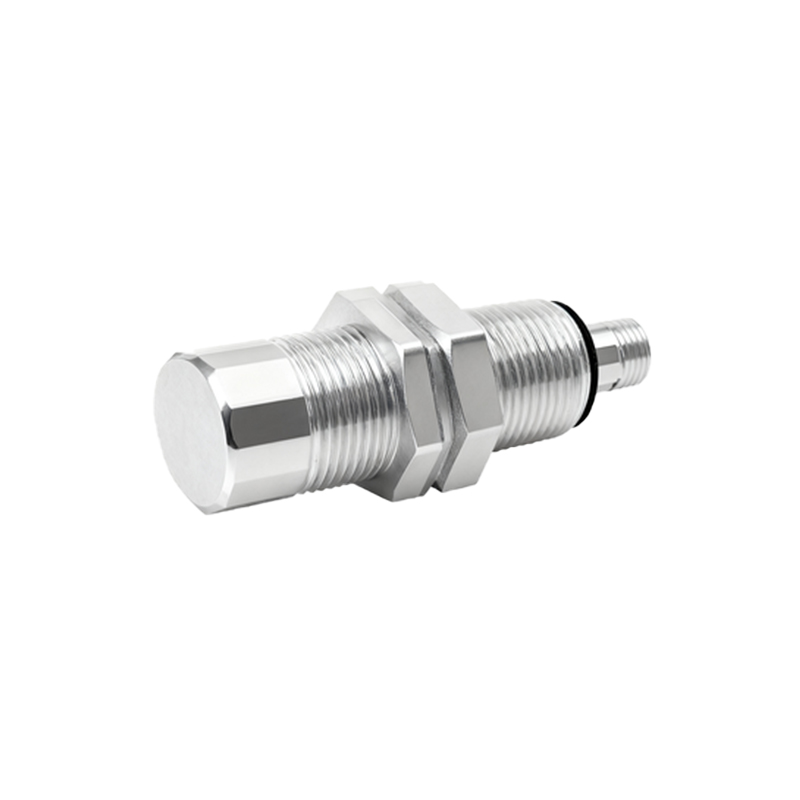
Capacitive proximity sensors, on the other hand, can detect both metallic and non-metallic materials, including liquids, plastics, glass, and wood. They work by measuring changes in capacitance when an object enters their electrostatic field. This versatility makes them suitable for applications like liquid level detection in tanks, material handling in packaging industries, and presence sensing of non-metallic containers on conveyor belts. Their ability to sense through certain non-metallic barriers adds to their functional flexibility.
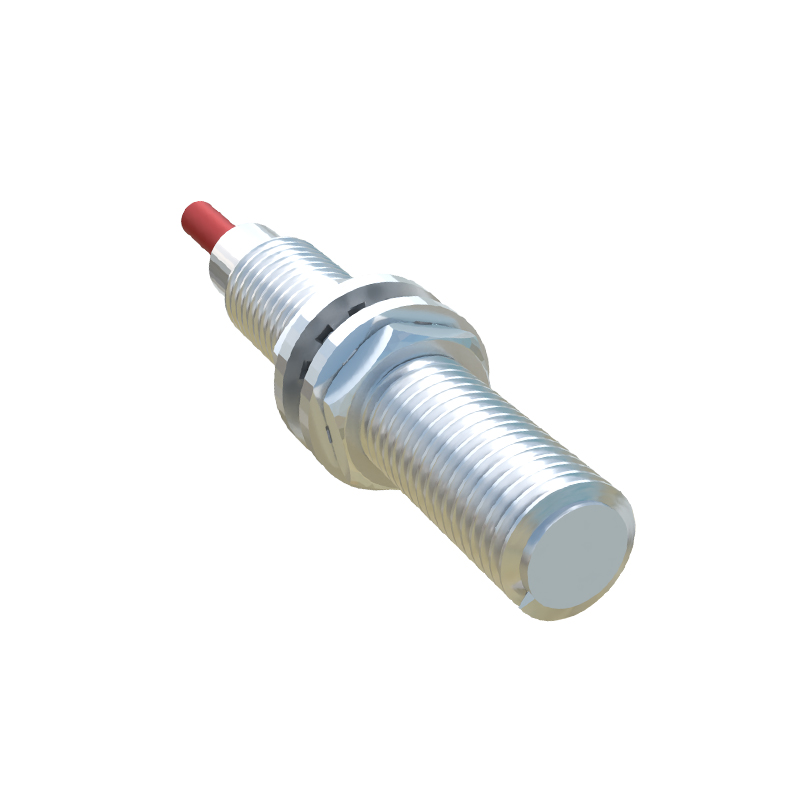
Ultrasonic proximity sensors utilize sound waves beyond human hearing to detect objects and measure distances. They are effective for detecting objects of various materials, shapes, and colors, even in environments with dust, smoke, or light interference. Common uses include pallet detection in warehouses, height control in automated storage systems, and collision avoidance in automated guided vehicles (AGVs). Their precision in distance measurement also supports applications in fill-level monitoring for bulk materials.
Photoelectric proximity sensors employ a light beam, typically infrared or laser, to detect objects. They are categorized into through-beam, retro-reflective, and diffuse-reflective types, each offering different sensing ranges and environmental tolerances. These sensors excel in high-speed counting, small part detection in electronics assembly, and transparent object detection in pharmaceutical packaging. Their fast response time and long sensing range are significant advantages in high-throughput production lines.
The core advantages of proximity switches over mechanical switches are numerous. The absence of physical contact eliminates mechanical wear, drastically extending operational lifespan and reducing maintenance needs. They offer high switching speeds, enabling faster machine cycles and improved productivity. Their solid-state construction provides resistance to vibration, shock, and environmental contaminants. Furthermore, their output signals integrate seamlessly with Programmable Logic Controllers (PLCs) and other industrial control systems, forming the backbone of automated feedback loops and safety interlock systems.
In practical industrial settings, proximity sensors are ubiquitous. On an automated assembly line, they verify the correct positioning of components before a robotic arm performs an operation, preventing defects and machine crashes. In material handling, they detect the presence of boxes on conveyors to control sorting gates and activate labeling machines. They serve as safety devices by monitoring guard door positions, ensuring machinery only operates when access panels are securely closed. In automotive manufacturing, they count parts, verify weld nut presence, and control robotic welding paths with millimeter accuracy.
The selection of an appropriate proximity sensor depends on several factors: the material composition of the target object, the required sensing distance, environmental conditions (temperature, humidity, contaminants), the required output type (PNP/NPN, analog, IO-Link), and the electrical requirements of the control system. Engineers must also consider mounting constraints, housing material (often nickel-plated brass or stainless steel for durability), and protection ratings like IP67 or IP69K for washdown environments in food and beverage processing.
Modern advancements have led to the development of sensors with enhanced capabilities. Analog output sensors provide continuous distance information, not just a simple on/off signal. Sensors with IO-Link communication offer digital parameterization, remote monitoring of operating status, and advanced diagnostics, facilitating predictive maintenance and Industry 4.0 connectivity. Miniaturized designs allow installation in extremely tight spaces, while high-temperature models function reliably near furnaces or in foundry applications.
In conclusion, proximity sensor switches are fundamental enabling technologies for industrial automation. Their ability to provide reliable, non-contact detection translates into increased machine efficiency, enhanced product quality, improved worker safety, and reduced operational downtime. As industries continue to evolve towards smarter, more connected, and more flexible manufacturing, the role of these sophisticated sensors will only grow in importance, driving innovation and operational excellence across countless sectors.