Microwave proximity sensors represent a sophisticated class of non-contact detection devices that have become integral to modern industrial automation, security systems, and smart infrastructure. Operating on the principle of electromagnetic wave reflection, these sensors offer unique advantages in environments where optical, ultrasonic, or inductive sensors may falter. This article delves into the core technology, diverse applications, and evolving trends of microwave-based proximity sensing.
The fundamental operating principle is rooted in radar technology. A microwave proximity sensor emits continuous or modulated electromagnetic waves in the microwave frequency spectrum, typically ranging from 1 GHz to over 100 GHz. When these waves encounter an object within the detection field, a portion of the energy is reflected back to the sensor's receiver. By analyzing the properties of the reflected signal—such as the Doppler shift for moving objects, the phase shift, or the time-of-flight—the sensor can accurately determine the presence, distance, speed, and even the material characteristics of a target. Unlike optical sensors, microwaves can penetrate non-conductive materials like plastic, dust, fog, and light rain, making them exceptionally robust in challenging environmental conditions.
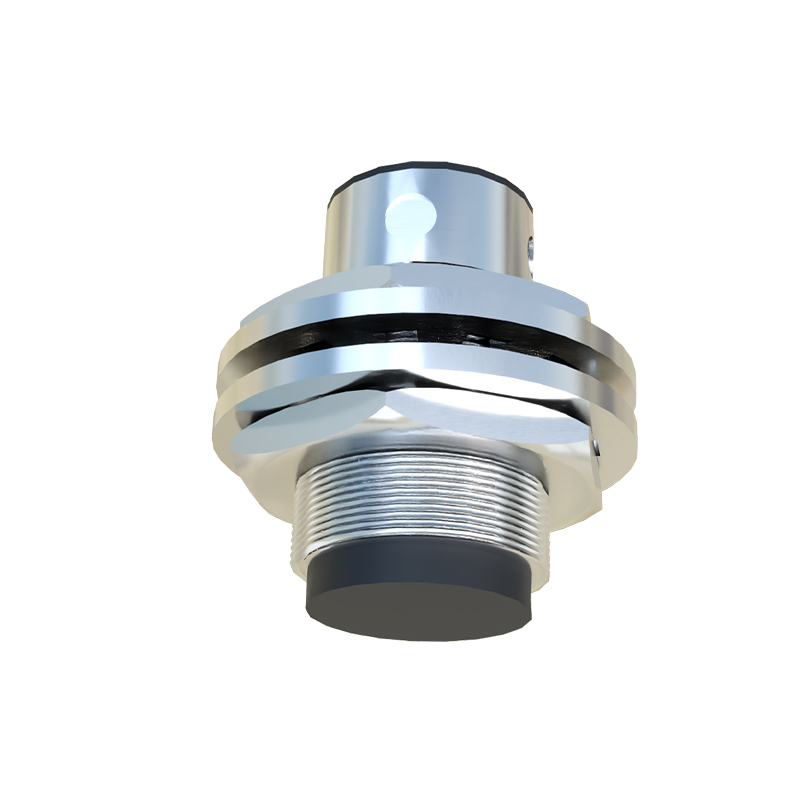
Key performance parameters for engineers to consider include operating frequency, output power, detection range, beam width, and response time. Higher frequencies, such as those in the K-band (24 GHz) or W-band (77 GHz), allow for more compact sensor designs and higher resolution but may have reduced penetration through certain materials. The choice depends heavily on the application's specific requirements for precision, size, and environmental resilience.
The industrial applications of microwave proximity sensors are vast and growing. In manufacturing and logistics, they are deployed for precise position control of cranes and automated guided vehicles (AGVs), object counting on high-speed conveyor belts, and level detection in silos containing bulk materials, even through container walls. Their immunity to environmental contaminants makes them ideal for outdoor applications like vehicle detection at toll gates or parking facilities, regardless of weather conditions. In the realm of security, microwave sensors form the backbone of perimeter intrusion detection systems, capable of creating an invisible "curtain" or field that triggers an alarm upon disturbance. Furthermore, the automotive industry heavily relies on advanced microwave radar sensors for advanced driver-assistance systems (ADAS), enabling features like adaptive cruise control, blind-spot detection, and collision avoidance.
Recent technological advancements are pushing the boundaries of what these sensors can achieve. The integration of Frequency-Modulated Continuous Wave (FMCW) radar technology allows for simultaneous distance and velocity measurement with high accuracy. The miniaturization of components, driven by semiconductor innovations like Silicon Germanium (SiGe) or CMOS-based radar chips, is enabling the development of low-cost, highly integrated sensor modules suitable for consumer electronics and IoT devices. The emergence of radar-on-chip solutions is particularly transformative, allowing radar functionality to be embedded into a single integrated circuit. Another significant trend is the fusion of microwave sensing data with other sensor inputs (e.g., cameras, lidar) and artificial intelligence algorithms. This sensor fusion enhances contextual awareness, enabling systems not only to detect an object but also to classify it—distinguishing between a person, a vehicle, or debris, for instance.
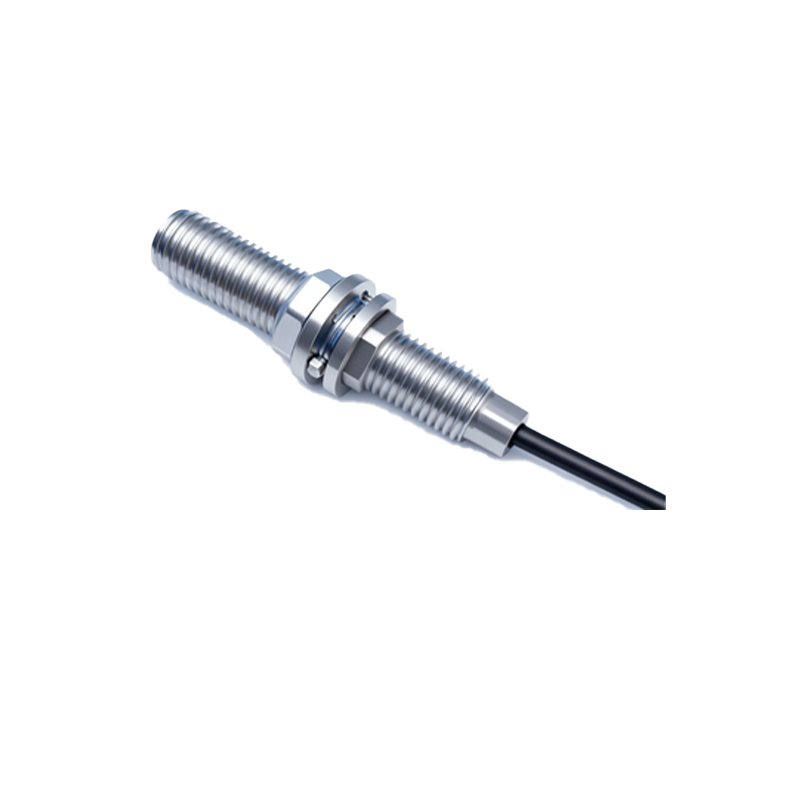
When specifying a microwave proximity sensor for a project, engineers must conduct a thorough analysis of the operating environment. Factors such as the target material's dielectric properties, potential sources of electromagnetic interference (EMI), required range and resolution, and regulatory compliance (e.g., FCC, ETSI regulations on spectral emissions) are critical. Proper installation is equally important; sensor orientation, mounting stability, and the avoidance of "blind spots" or multipath interference caused by reflective surfaces nearby must be carefully planned.
Looking ahead, the future of microwave proximity sensing is intertwined with the expansion of Industry 4.0 and smart cities. As networks of intelligent sensors become more pervasive, the demand for reliable, all-weather, and versatile detection technology will only increase. Microwave sensors, with their unique capability to "see" through obscurants and provide rich motion and positioning data, are poised to play a central role in building safer, more efficient, and autonomous systems across countless sectors. Their evolution from niche industrial components to ubiquitous enabling technology marks a significant leap in how machines perceive and interact with the physical world.