Proximity sensors, the silent sentinels of modern automation, have revolutionized how machines perceive and interact with their environment without physical contact. These versatile devices detect the presence or absence of objects within a defined sensing range, triggering a corresponding electrical signal. Their core operating principles—inductive, capacitive, ultrasonic, photoelectric, and magnetic—form the foundation for a vast and ever-expanding universe of industrial and commercial applications. This comprehensive guide delves into the practical implementation of these sensors across diverse sectors, highlighting their critical role in enhancing efficiency, safety, and precision.
In the realm of manufacturing and assembly lines, proximity sensors are indispensable. Inductive sensors, which detect metallic objects, are extensively used for precise positioning and counting of metal components. For instance, they confirm the correct placement of engine blocks on a conveyor, trigger robotic arms for pick-and-place operations, and count finished metal parts as they exit a machining center. Capacitive sensors, capable of detecting both metallic and non-metallic materials like plastics, wood, or liquids, find their niche in monitoring material levels in hoppers, detecting filled bottles on packaging lines, or ensuring the presence of a label on a product. Photoelectric sensors, through beam-breaking or reflective methods, are the go-to solution for high-speed counting, detecting transparent objects, or ensuring proper alignment of materials in printing and paper processing industries.
The automotive industry is a major beneficiary of proximity sensing technology. From robotic welding cells where sensors ensure precise seam tracking, to paint shops where they detect vehicle bodies for automated spraying, their use is pervasive. On the assembly line, they verify the installation of critical components like airbags, wheels, and doors. Furthermore, ultrasonic sensors play a vital role in advanced driver-assistance systems (ADAS), providing parking assistance and blind-spot detection by accurately measuring distances to nearby obstacles.
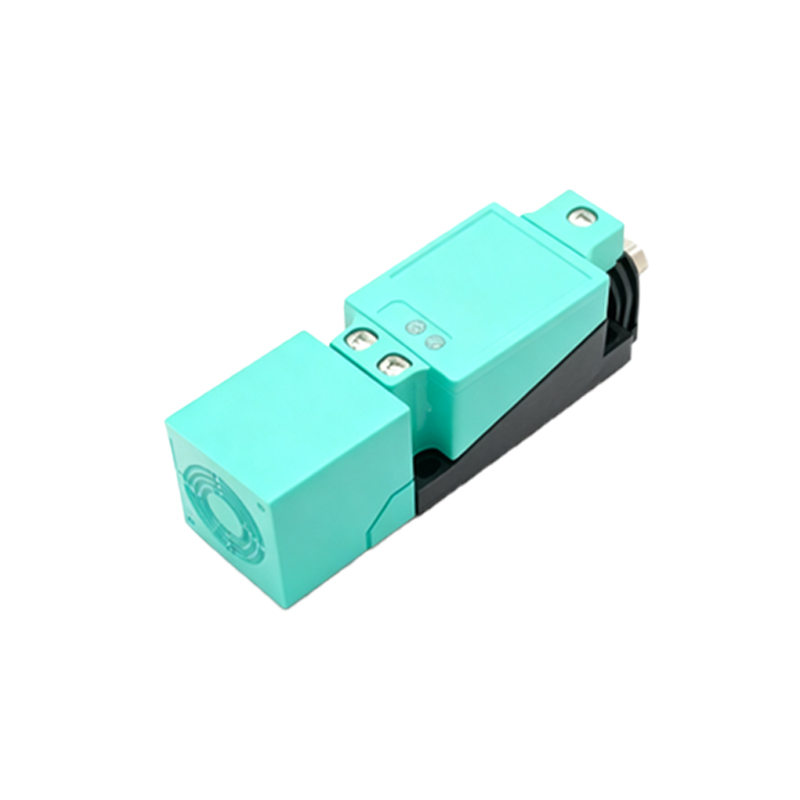
Material handling and logistics heavily rely on these sensors for automation and safety. In automated storage and retrieval systems (AS/RS), sensors provide precise positioning of cranes and shuttles. They are used to detect the presence of pallets on conveyors, control the sorting of packages in distribution centers, and ensure the safe operation of automated guided vehicles (AGVs) by preventing collisions. Magnetic sensors, often in the form of reed switches or Hall-effect sensors, are crucial for detecting the open/closed status of doors and hatches on machinery and storage units.
Beyond traditional manufacturing, proximity sensors enable sophisticated functionalities in consumer electronics and smart appliances. The hall-effect sensor in a smartphone or laptop detects when a flip cover is closed, putting the device to sleep. Capacitive touchscreens are a form of proximity sensing. In modern home appliances, they enable touch controls on ovens and washing machines, or detect the water level in a kettle. In the food and beverage industry, sensors with high ingress protection (IP) ratings monitor fill levels in tanks, detect caps on bottles, and ensure proper packaging integrity, often requiring specific hygienic designs.
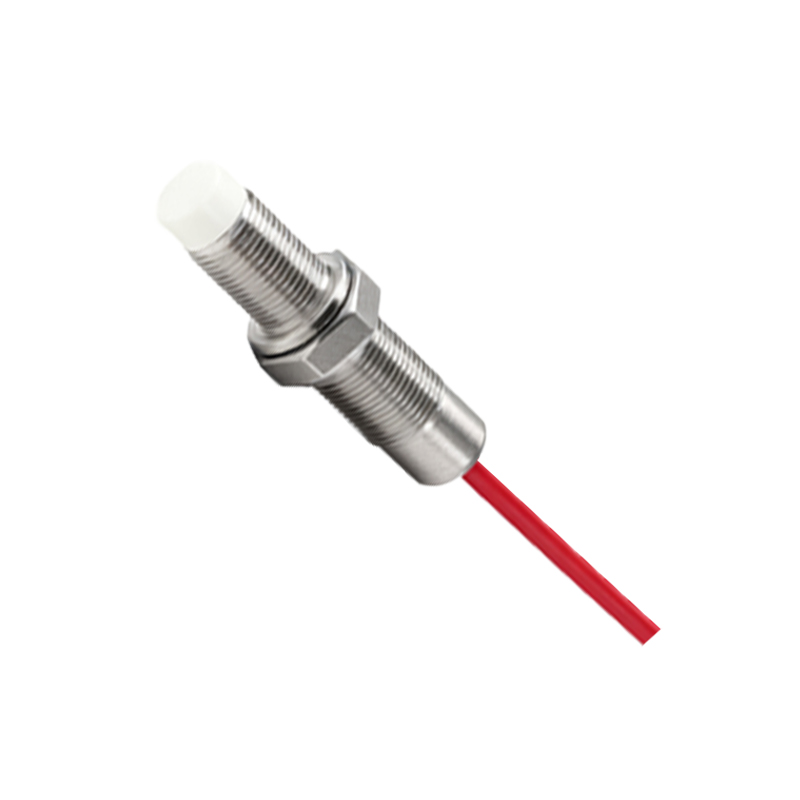
Safety applications represent one of the most critical uses of proximity sensors. Safety light curtains, essentially arrays of photoelectric sensors, create an invisible protective barrier around dangerous machinery like presses, robots, or saws, immediately halting operation if a person breaches the zone. Non-contact interlock switches on guard doors use magnetic or coded RFID-based sensors to ensure access doors are securely closed before a machine can operate, protecting personnel from hazardous motion.
Emerging trends and Industry 4.0 are pushing the boundaries further. The integration of IO-Link communication in modern proximity sensors allows for detailed device parameterization, remote monitoring of sensor health, and the transmission of diagnostic data like operating temperature or signal strength. This enables predictive maintenance, reducing unplanned downtime. Furthermore, sensors are becoming more intelligent, with advanced models offering background suppression, precise analog distance output, and enhanced resistance to environmental interference like dust, steam, or electromagnetic noise.
Selecting the right proximity sensor requires careful consideration of several factors: the target material (metal, plastic, liquid), the required sensing distance, the operating environment (temperature, presence of contaminants), the output type needed (discrete NPN/PNP or analog 4-20mA/0-10V), and the required response speed. Understanding these parameters is key to deploying a reliable and effective sensing solution.
In conclusion, from ensuring the micron-level precision of a CNC machine to safeguarding human workers, from optimizing a high-speed bottling plant to enabling the smart features of everyday devices, proximity sensors are a foundational technology. Their ability to provide reliable, non-contact detection makes them a cornerstone of automation, driving productivity, quality, and safety across virtually every industrial and many commercial domains. As systems grow smarter and more interconnected, the role of these robust and adaptable devices will only continue to expand.