In the realm of industrial automation and control systems, high precision proximity sensors are indispensable components. Their ability to detect the presence or absence of objects without physical contact is fundamental to countless processes, from assembly lines to robotic guidance. While technical specifications and data sheets provide quantitative performance metrics, high-quality images of these sensors offer invaluable qualitative insights for engineers, system integrators, and procurement specialists. This article delves into the critical aspects revealed through detailed imagery of high-precision proximity sensors, aligning with industry standards and practices.
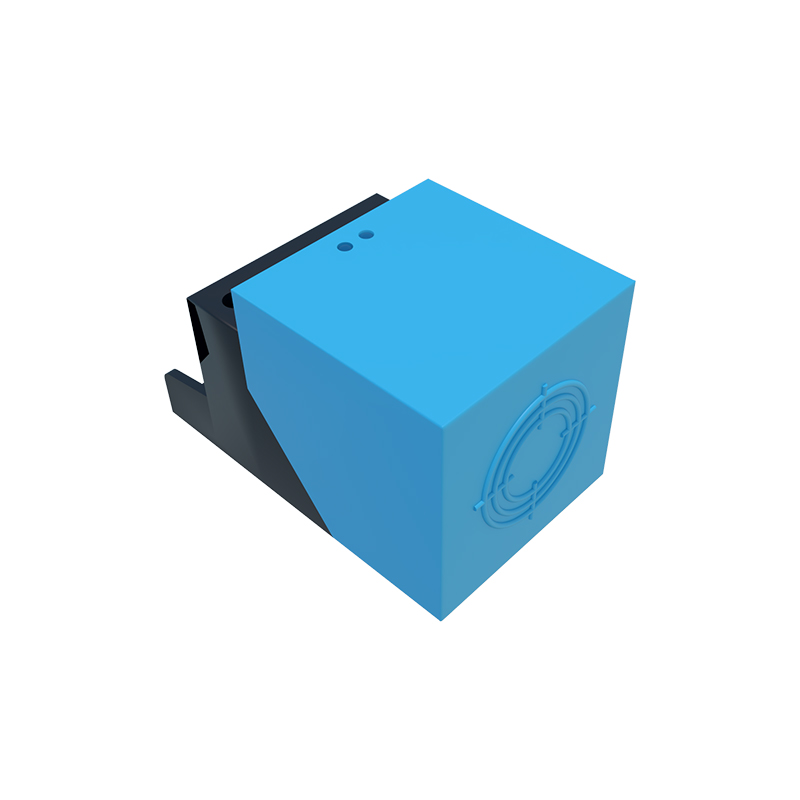
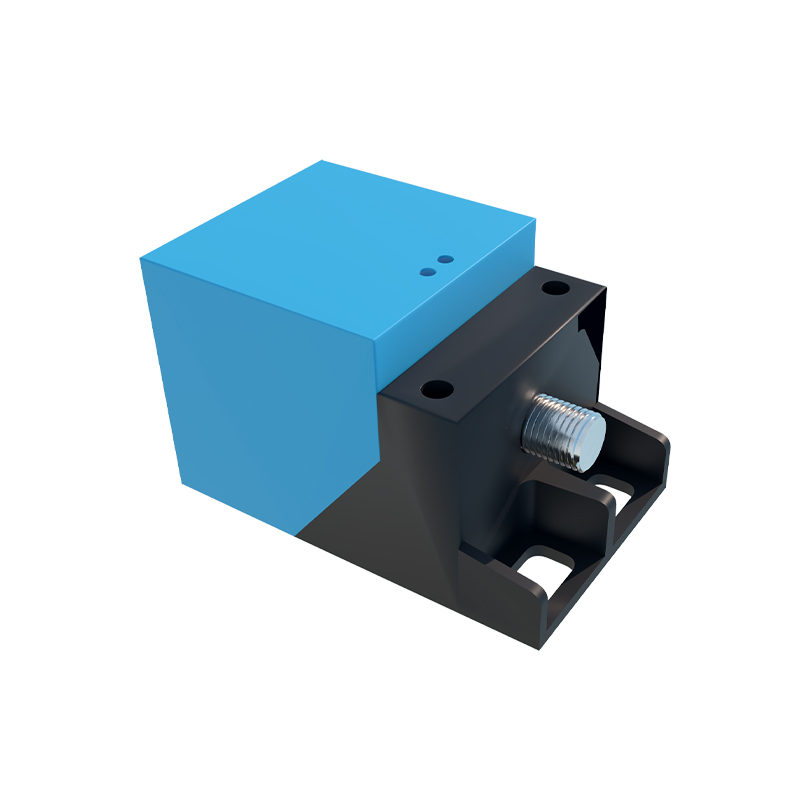
A primary consideration visible in professional sensor images is the form factor and housing design. High-resolution photographs showcase the robust construction typical of industrial-grade sensors. Images often highlight the housing material, such as nickel-plated brass, stainless steel (particularly V4A/AISI 316L for corrosive environments), or PBT plastic. The ingress protection (IP) rating, crucial for durability, is frequently indicated on the housing and can be assessed visually—seals, gaskets, and the overall sealing integrity are often discernible in cross-sectional or detailed close-up images. For instance, an image might clearly show the laser-etched markings denoting IP67 or IP69K ratings, confirming suitability for washdown or harsh conditions.

The sensing face is arguably the most critical element, and high-magnification images reveal its composition and technology. For inductive proximity sensors, images can show the precise arrangement of the coil and ferrite core behind the active surface. For capacitive variants, images might illustrate the electrode configuration. The quality of the potting compound used to protect the internal electronics from shock, vibration, and environmental contaminants is also visible. A smooth, bubble-free potting surface in an image suggests high manufacturing quality and reliability. Furthermore, LED status indicators—their color, size, and placement—are clearly depicted, providing immediate visual feedback on operational status (e.g., power-on, object detection, fault condition).
Wiring and connection interfaces are another focal point. Detailed images provide clarity on the connector type, whether it's a standard M8, M12, or M23 circular connector, or a rectangular variety. The pin configuration (3-pin, 4-pin, PNP vs. NPN) is often labeled. Images of the cable exit, including strain relief mechanisms, are essential for evaluating installation longevity and resistance to cable pull-out. Some advanced images or cutaway diagrams even illustrate the internal cable termination to the sensor's PCB, highlighting soldering quality and strain relief inside the housing.
Beyond the physical unit, application-specific imagery is highly instructive. Contextual photos showing a sensor mounted on a machine, with precise indication of its sensing distance relative to a target object (e.g., a metal gear tooth), are extremely valuable. These images demonstrate proper installation alignment, mounting brackets, and the recommended clearance zones around the sensor to prevent false triggers from adjacent metal structures. Annotated images explaining the concept of "repeat accuracy" or "temperature drift" through visual examples can bridge the gap between abstract datasheet values and real-world performance.
The importance of technical diagrams cannot be overstated. Block diagrams and timing charts, often presented as clear images, explain the sensor's output logic (NO/NC), switching frequency, and response time. Oscilloscope trace images superimposed on sensor photos can visually demonstrate the clean, sharp switching signal of a high-precision sensor compared to a lower-grade unit, showcasing minimal bounce or noise.
For engineers selecting a sensor, comparing images from different manufacturers can reveal subtle yet significant differences. The finish of the threads for mounting, the clarity of labeling, and the overall attention to detail in construction are all quality indicators. A high-quality image portfolio from a manufacturer often reflects a commitment to transparency and product quality, building trust before a physical sample is even procured.
In conclusion, high-precision proximity sensor images are far more than marketing tools; they are essential technical documents. They provide a visual verification of build quality, design intent, and application suitability. By critically analyzing form factor, sensing face details, connection integrity, and application context as shown in detailed photographs and diagrams, professionals can make more informed decisions, ensuring the selected sensor delivers the required reliability, accuracy, and longevity in demanding industrial environments. Always correlate these visual assessments with the official technical specifications for a complete evaluation.