Pressure proximity switch sensors are critical components in industrial automation systems, monitoring pressure thresholds and triggering control actions. However, failures can lead to costly downtime and safety risks. Understanding common failure modes, diagnostic methods, and preventive measures is essential for maintenance engineers and plant operators.
One prevalent failure mode is mechanical damage. Sensors exposed to excessive vibration, shock, or physical impact may suffer from housing cracks, diaphragm deformation, or internal component displacement. This often results in erratic readings, loss of calibration, or complete sensor failure. For instance, in hydraulic systems, sudden pressure spikes can deform the sensing diaphragm, causing the switch to stick in either an open or closed position. Regular inspection for physical integrity and proper mounting can mitigate such issues.
Electrical failures are equally common. Corrosion, moisture ingress, or loose connections can compromise electrical circuits within the sensor. Symptoms include intermittent signals, no output, or short circuits. In harsh environments like chemical plants, corrosive agents may degrade wire insulation or terminal blocks, leading to false triggering. Using sensors with appropriate IP ratings, sealing conduits, and applying protective coatings are effective countermeasures. Additionally, voltage surges from lightning or inductive loads can damage internal electronics. Installing surge protectors and ensuring stable power supplies are recommended practices.
Calibration drift is another frequent problem. Over time, sensor components like springs, diaphragms, or piezoresistive elements may wear out, causing gradual deviation from setpoints. This leads to inaccurate pressure readings, potentially causing premature shutdowns or failure to activate alarms. For example, in HVAC systems, a drifted sensor might not detect low refrigerant pressure, risking compressor damage. Scheduled recalibration—typically every 6 to 12 months—using certified equipment helps maintain accuracy. Environmental factors such as temperature fluctuations or contamination (e.g., oil, dust) can accelerate drift, so selecting sensors with temperature compensation and robust filtering is advisable.
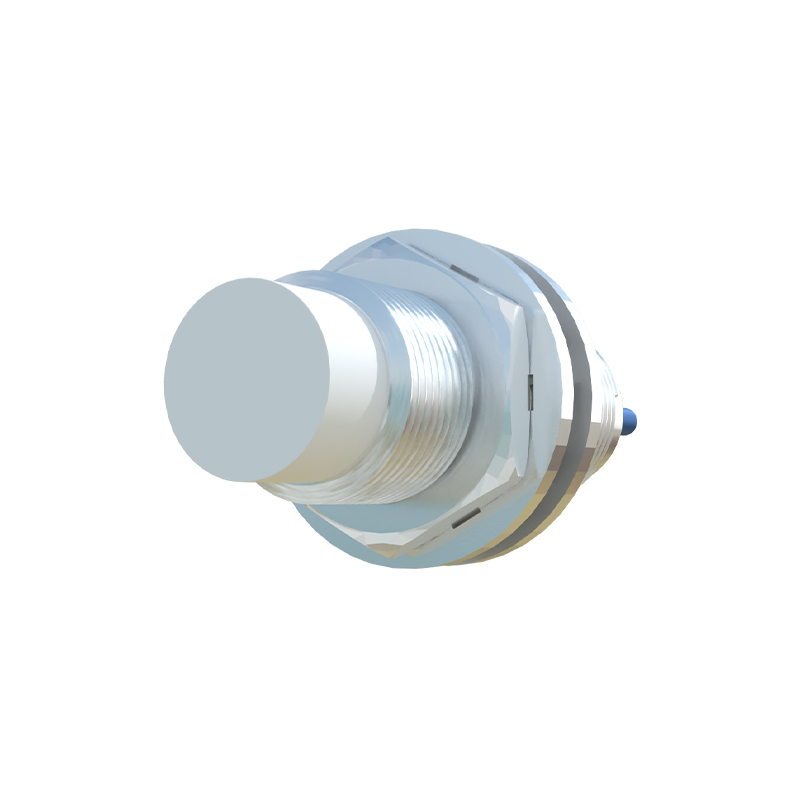
Contamination poses a significant threat. Process media like sludge, particulates, or viscous fluids can clog pressure ports or coat sensing surfaces, impairing responsiveness. In food processing or wastewater applications, buildup may cause the switch to lag or fail entirely. Regular cleaning of ports and using sensors with self-cleaning designs (e.g., flush diaphragms) can prevent blockages. Moreover, incompatible media—such as aggressive chemicals—may corrode wetted parts, necessitating material compatibility checks during sensor selection.
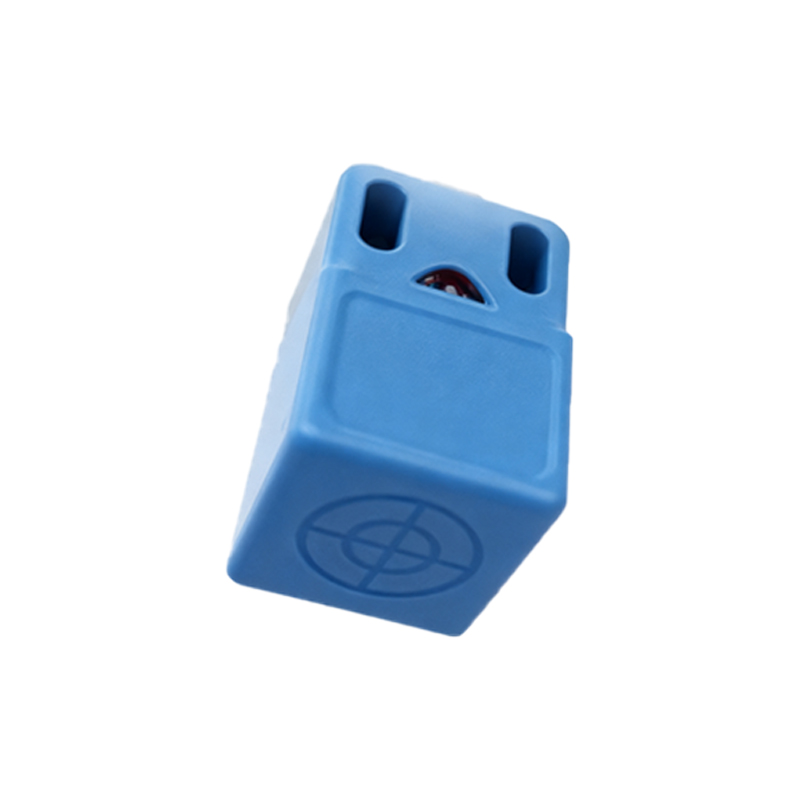
Diagnosing failures requires a systematic approach. Start with visual inspection for obvious damage or leaks. Use a multimeter to check continuity, resistance, and output signals against manufacturer specifications. For pressure testing, apply a calibrated pressure source to verify switch activation points. Data loggers or PLC diagnostics can help identify intermittent issues by monitoring signal trends over time. In complex cases, consult OEM troubleshooting guides or consider replacing the sensor with a known working unit for comparison.
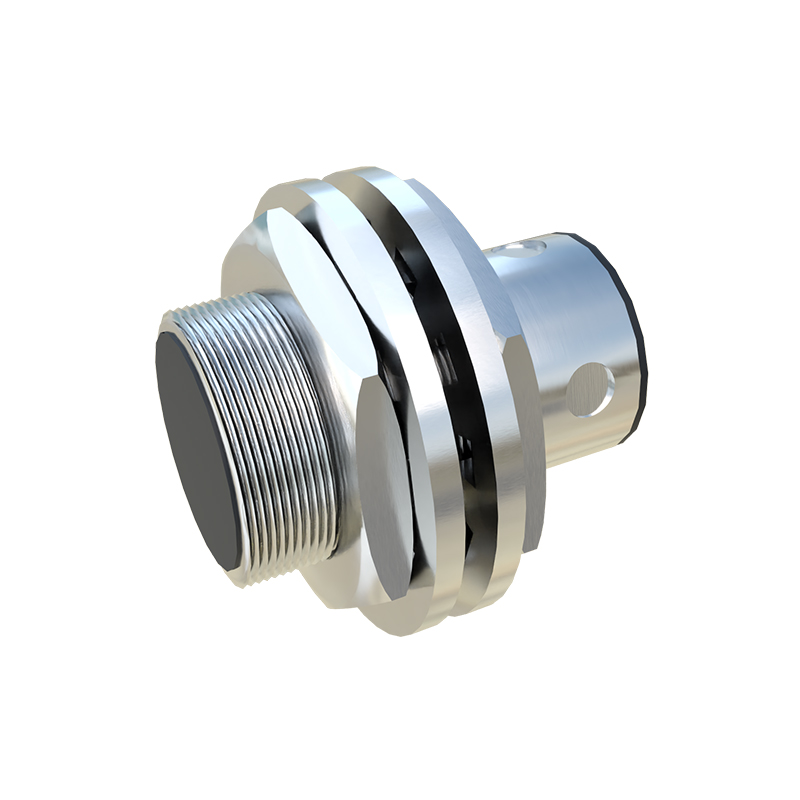
Preventive maintenance is key to longevity. Implement a routine schedule that includes cleaning, electrical testing, and calibration. Train personnel on proper handling and installation techniques—avoid over-torquing fittings or exposing sensors to超出 ranges. Upgrade to modern sensors with features like self-diagnostics, digital communication (e.g., IO-Link), or redundant outputs for critical applications. Document all maintenance activities to track performance history and identify recurring problems.
In summary, pressure proximity switch sensor failures stem from mechanical, electrical, calibration, and contamination issues. Proactive maintenance, correct installation, and environmental adaptations reduce failure rates. By combining practical diagnostics with preventive strategies, industries can enhance system reliability and minimize operational disruptions. Always refer to technical datasheets and safety standards when addressing sensor-related concerns in specific applications.