In the realm of internal combustion engines, precision and reliability are paramount. Valve laser sensors have emerged as a critical technology for achieving unparalleled accuracy in monitoring valve position, timing, and dynamics. These sensors utilize laser-based measurement principles to provide non-contact, high-resolution data on valve movement, which is essential for optimizing engine performance, reducing emissions, and enhancing fuel efficiency.
Traditional valve monitoring methods, such as inductive or Hall-effect sensors, often face limitations in resolution, response time, or susceptibility to environmental factors like oil, heat, and vibration. In contrast, valve laser sensors operate by emitting a focused laser beam towards the valve stem or target surface. The reflected light is analyzed to determine precise displacement and velocity metrics. This non-intrusive approach minimizes wear and eliminates mechanical linkage issues, ensuring long-term stability even in harsh engine compartments.
The core technology behind these sensors typically involves time-of-flight or triangulation measurement principles. For instance, in a time-of-flight system, the sensor calculates the distance to the valve by measuring the time it takes for a laser pulse to travel to the target and back. This method offers sub-micron accuracy, enabling real-time detection of minute valve movements that can indicate wear, misalignment, or timing errors. Such detailed feedback allows engine control units (ECUs) to make instantaneous adjustments to ignition timing, fuel injection, and valve actuation—key factors in adaptive engine management systems.
Applications of valve laser sensors extend across automotive, marine, and industrial engines. In high-performance automotive engines, they are integral to variable valve timing (VVT) and cylinder deactivation systems, where precise valve control directly impacts power output and efficiency. For large diesel engines in maritime or power generation settings, these sensors aid in predictive maintenance by detecting early signs of valve degradation, preventing costly downtime. Moreover, with the rise of hybrid and alternative-fuel engines, laser sensors support the complex valve strategies needed to manage diverse combustion cycles.
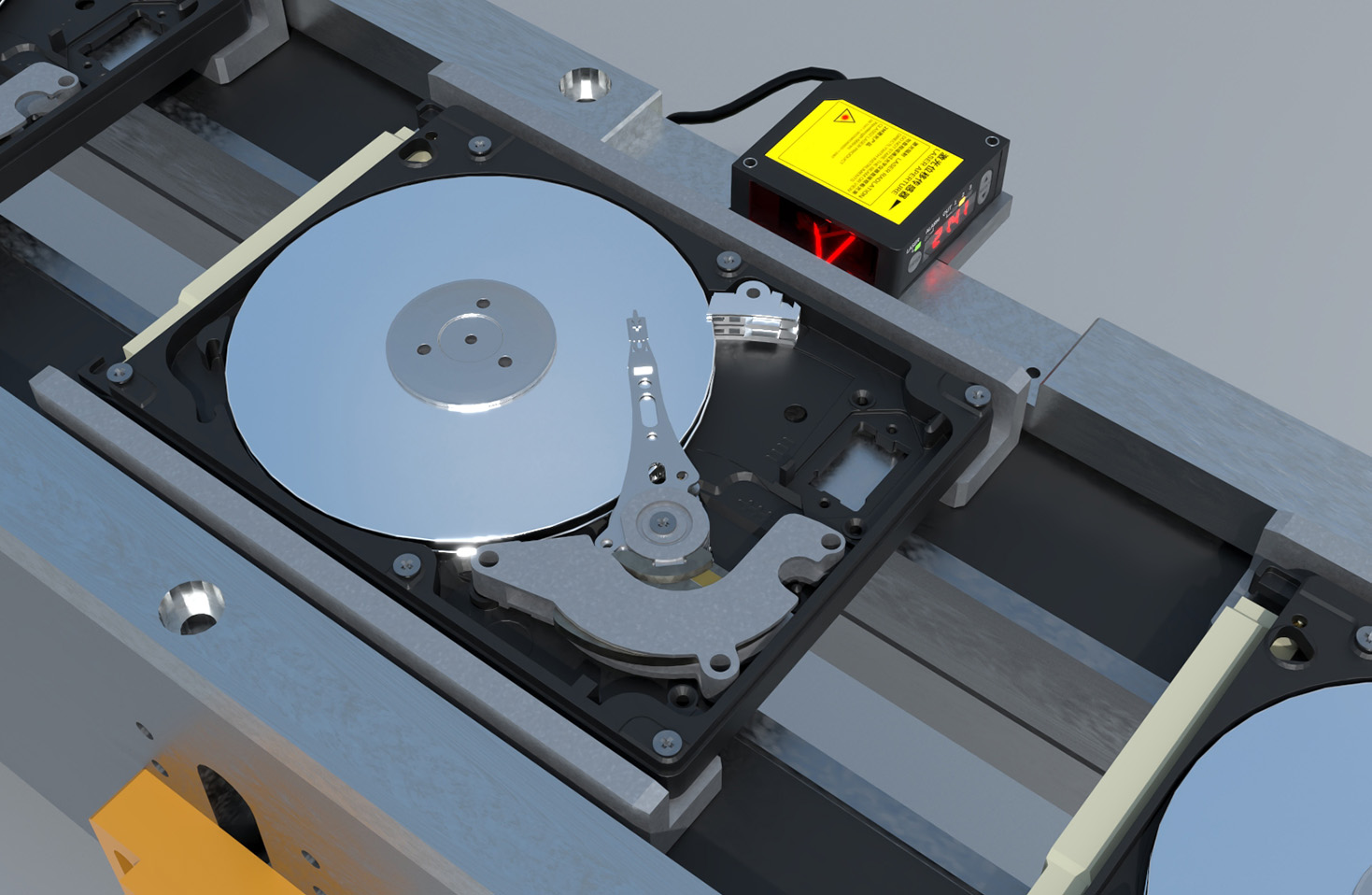
Despite their advantages, implementing valve laser sensors requires careful consideration. Engineers must account for factors like optical clarity, as contamination from oil mist or carbon deposits can affect laser transmission. Robust housing designs and protective coatings are often employed to shield sensors from extreme temperatures and mechanical shocks. Additionally, integration with existing engine management networks demands compatible interfaces and calibration protocols to ensure seamless data communication.
Looking ahead, advancements in laser diode technology and signal processing are poised to enhance the capabilities of valve laser sensors further. Miniaturization trends may lead to more compact sensor designs, facilitating installation in space-constrained engine layouts. Coupled with artificial intelligence algorithms, future systems could enable predictive analytics for valve health, autonomously optimizing engine parameters based on real-time sensor data. As emission regulations tighten and efficiency standards rise, the role of valve laser sensors in enabling smarter, cleaner engines will only grow more significant.
In summary, valve laser sensors represent a sophisticated solution for modern engine monitoring and control. By delivering high-precision, non-contact measurements, they empower engineers to push the boundaries of engine performance and reliability. As the industry evolves towards electrification and sustainability, these sensors will remain a cornerstone technology for achieving the next generation of efficient and responsive powertrains.