In the rapidly evolving landscape of industrial automation, the demand for high-precision, reliable sensing solutions has never been greater. Among the critical components driving efficiency and safety in modern manufacturing and processing environments, proximity sensors stand out as indispensable tools. The introduction of new original packaging proximity sensors marks a significant advancement, offering enhanced performance, durability, and ease of integration. These sensors, delivered in their pristine factory packaging, ensure that every unit meets stringent quality standards, providing engineers and technicians with confidence in their applications.
Proximity sensors are designed to detect the presence or absence of objects without physical contact, utilizing electromagnetic fields, infrared light, or ultrasonic waves. This non-contact operation minimizes wear and tear, reducing maintenance costs and downtime. The latest models in original packaging feature improved sensing ranges, faster response times, and higher immunity to environmental interference such as dust, moisture, and temperature fluctuations. For instance, inductive proximity sensors excel in detecting metallic objects, while capacitive variants can sense non-metallic materials like plastics or liquids, making them versatile for diverse industrial settings.
One of the key benefits of opting for new original packaging is the assurance of authenticity and quality. Counterfeit or refurbished sensors often compromise on materials and calibration, leading to inconsistent performance and potential system failures. Original packaging guarantees that the sensors have undergone rigorous testing, including checks for sensitivity, repeatability, and long-term stability. This is particularly crucial in applications where precision is paramount, such as in automotive assembly lines, food processing plants, or pharmaceutical manufacturing, where even minor errors can result in significant losses or safety hazards.
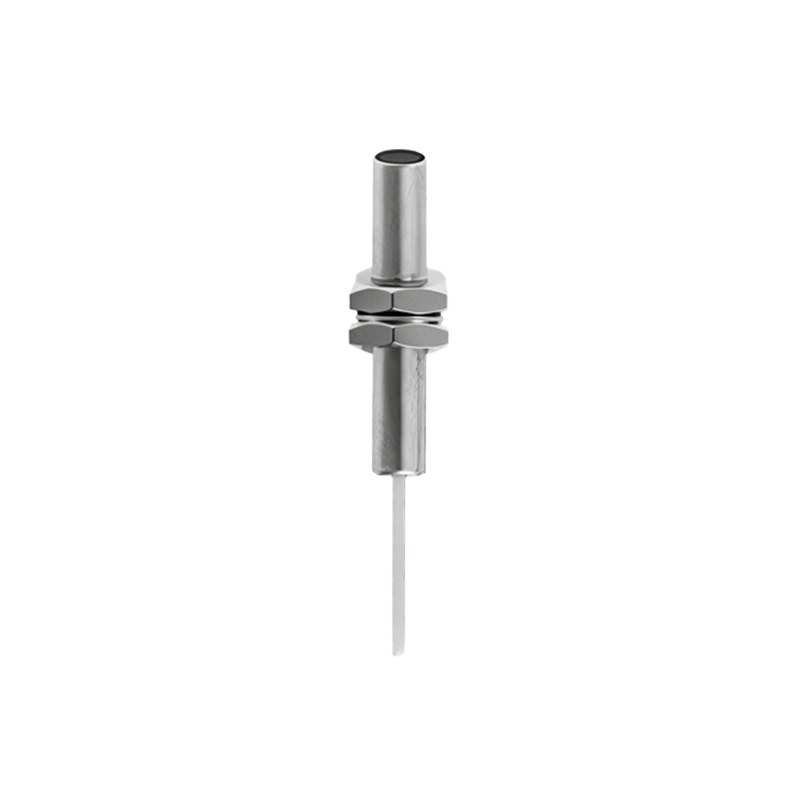
Moreover, these sensors are engineered with user-friendly features that simplify installation and configuration. Many come with adjustable sensing distances, LED indicators for status monitoring, and robust housing materials like stainless steel or PBT plastic that resist corrosion and mechanical stress. The packaging often includes comprehensive documentation, such as datasheets, wiring diagrams, and compliance certificates (e.g., CE, UL, or RoHS), ensuring seamless integration into existing control systems. This attention to detail not only saves time during setup but also enhances overall system reliability.
In terms of technological innovation, new proximity sensors incorporate smart functionalities like IO-Link communication, enabling real-time data exchange and remote diagnostics. This connectivity allows for predictive maintenance, where potential issues can be identified before they escalate, further optimizing operational efficiency. Additionally, energy-efficient designs help reduce power consumption, aligning with sustainability goals in industrial operations.
The applications of these sensors are vast, spanning from simple object detection in conveyor belts to complex positioning tasks in robotics. In logistics, they facilitate automated sorting and inventory management, while in heavy machinery, they contribute to safety by monitoring moving parts. The reliability of original packaging sensors ensures consistent performance across these varied use cases, supporting the trend toward fully automated, Industry 4.0-ready facilities.
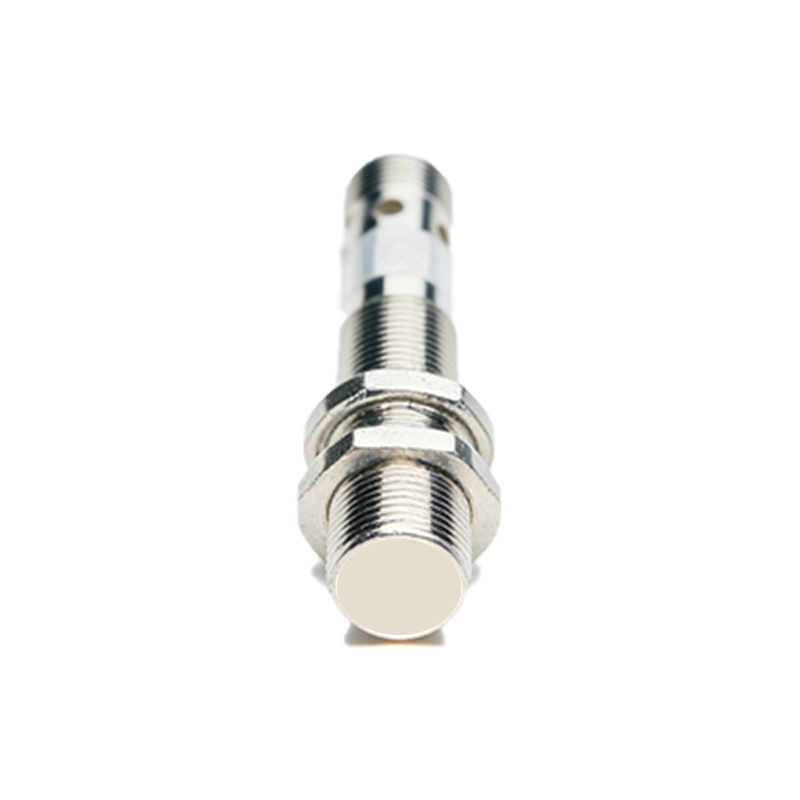
To maximize the benefits, it is essential to select the right sensor type based on specific requirements, such as the target material, environmental conditions, and required sensing distance. Consulting with suppliers or manufacturers can provide tailored recommendations, ensuring optimal performance. Regular calibration and adherence to maintenance guidelines, as outlined in the original packaging materials, will prolong sensor lifespan and maintain accuracy.
In conclusion, new original packaging proximity sensors represent a leap forward in industrial sensing technology. By combining precision, durability, and ease of use, they empower businesses to enhance automation processes, improve safety, and reduce operational costs. As industries continue to embrace digital transformation, investing in high-quality, authentically packaged sensors is a strategic move toward building resilient and efficient systems. For engineers and decision-makers, prioritizing these components means not only meeting current demands but also future-proofing operations in an increasingly competitive market.