In the globalized landscape of electrical engineering and industrial automation, precise terminology is paramount. A common query among professionals, especially those collaborating on international projects or sourcing components, is the accurate English translation for the Chinese term "接近传感器." This article provides a definitive guide, exploring the correct translation, its technical context, and related industry terminology.
The direct and universally accepted English translation for "接近传感器" is Proximity Sensor. This term accurately encapsulates the device's core function: to detect the presence or absence of an object within a specified range without physical contact. The word "proximity" denotes nearness, which is the fundamental operating principle.
Understanding the translation, however, requires delving into its technical meaning and variants. A proximity sensor is a broad category of non-contact sensors. Their operation is based on various physical principles, leading to several key types:
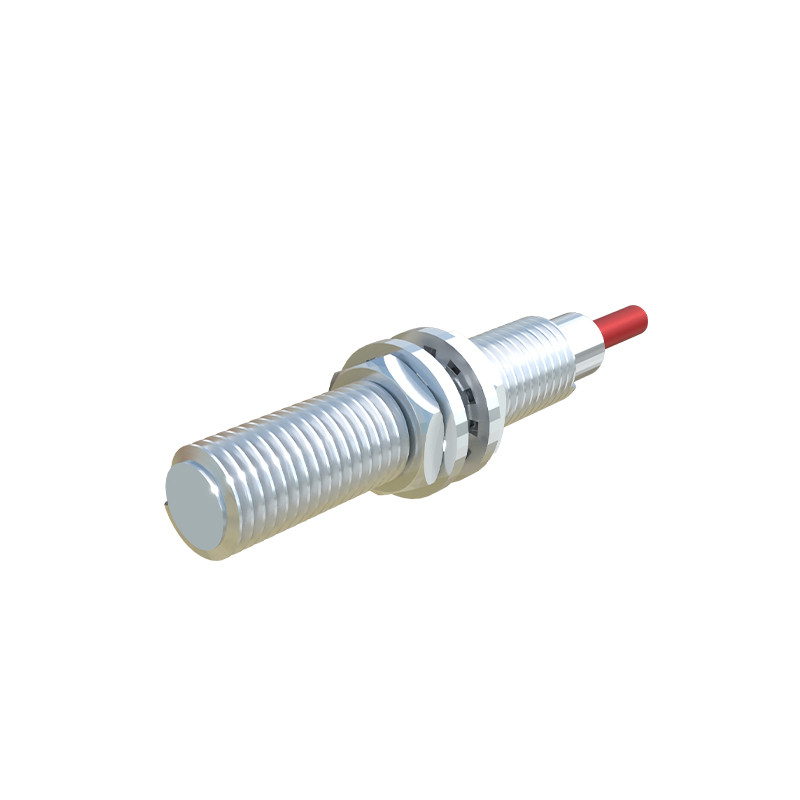
1. Inductive Proximity Sensors: These sensors generate an electromagnetic field to detect metallic objects, primarily ferrous metals like iron and steel. They are ubiquitous in manufacturing for tasks like counting, positioning, and end-of-travel detection of metal parts.
2. Capacitive Proximity Sensors: These sensors can detect both metallic and non-metallic objects (e.g., plastics, liquids, wood, granules) by measuring changes in capacitance. They are ideal for level detection in tanks or presence detection of materials on conveyor belts.
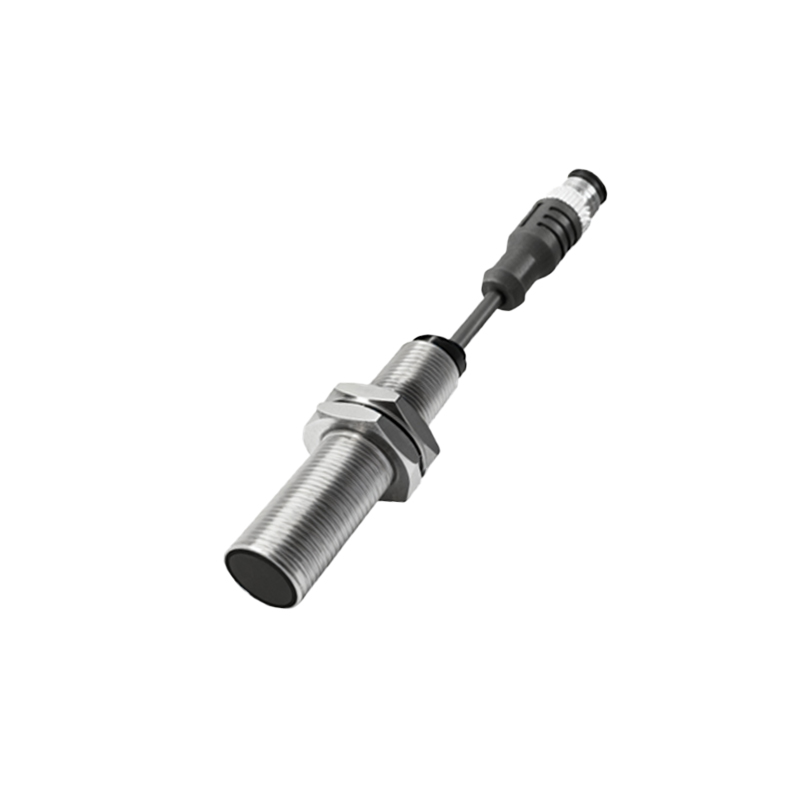
3. Ultrasonic Proximity Sensors: These use sound waves beyond the human hearing range to detect objects and measure distance. They are effective for detecting objects of any material, including transparent ones, and are used in challenging environments with dust or moisture.
4. Photoelectric Sensors (or Photo-eyes): While sometimes categorized separately, they function as proximity sensors using a beam of light. They are excellent for long-range detection and can sense virtually any material.
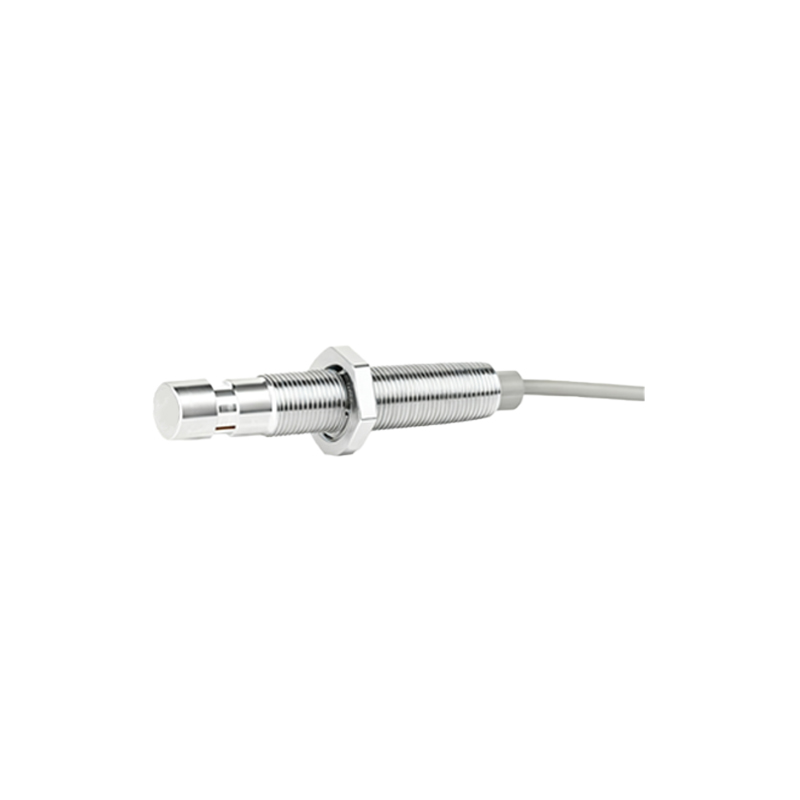
In technical documentation, datasheets, and procurement platforms, you will consistently encounter the term "Proximity Sensor." When specifying a type, the adjectives are prefixed: inductive proximity sensor, capacitive proximity sensor, etc.
It is crucial to distinguish "proximity sensor" from related terms. A Limit Switch is a contact sensor, where physical touch actuates the switch. Proximity sensors offer superior advantages: no mechanical wear, higher switching frequencies, and reliability in dirty or wet conditions. Another term, Position Sensor, can be broader, encompassing devices that measure exact distance or angle (like potentiometers or encoders), whereas a standard proximity sensor typically provides a simple on/off output based on a preset detection threshold.
For engineers writing specifications or searching for components, using the precise keyword is essential. In online catalogs of major manufacturers (e.g., Siemens, Omron, Schneider Electric, Rockwell Automation) and on global marketplaces, searching for "proximity sensor" will yield the correct product category. You may further refine searches with terms like "shielded inductive proximity sensor," "M12 capacitive sensor," or "DC 3-wire NPN output."
In practical application notes and circuit diagrams, the standard graphical symbol for a proximity sensor (often inductive) is a diamond shape with two parallel lines on the sensing face, integrated into the switch symbol. The output type (PNP sourcing or NPN sinking) is a critical selection parameter alongside sensing range and housing material.
Therefore, when communicating with international colleagues, writing technical reports in English, or creating bill of materials (BOM), the term "Proximity Sensor" is the correct and professional translation for "接近传感器." Mastery of this term and its subtypes—inductive, capacitive, ultrasonic—ensures clear, error-free communication in design, procurement, and troubleshooting within the global electrical and automation engineering community. Always remember to specify the detection principle, sensing distance, output configuration, and electrical rating to guarantee the selected sensor meets the exact application requirements.