Photoelectric proximity sensors are essential components in modern industrial automation, offering non-contact detection of objects across various applications. Understanding their dimensions and specifications is crucial for system integration, performance optimization, and ensuring reliable operation in diverse environments. This guide provides a comprehensive overview of standard photoelectric sensor sizes, key dimensional parameters, and how these factors influence selection and implementation.
Photoelectric sensors are typically categorized by housing styles, each with distinct dimensional characteristics. Cylindrical sensors, commonly ranging from M8 to M30 threaded barrels, are popular for their compact design and ease of installation. For instance, an M18 sensor has an 18mm diameter barrel with standard lengths between 50mm to 80mm, including threaded portions for mounting. Rectangular or block-style sensors offer larger sensing ranges and often incorporate built-in amplifiers; their dimensions vary widely, with common footprints such as 40mm x 20mm x 15mm for miniaturized models or up to 80mm x 40mm x 30mm for heavy-duty versions. Slot-style sensors, used for object positioning or edge detection, feature narrow gaps (e.g., 5mm to 20mm slot widths) with housing sizes tailored to specific mechanical constraints.
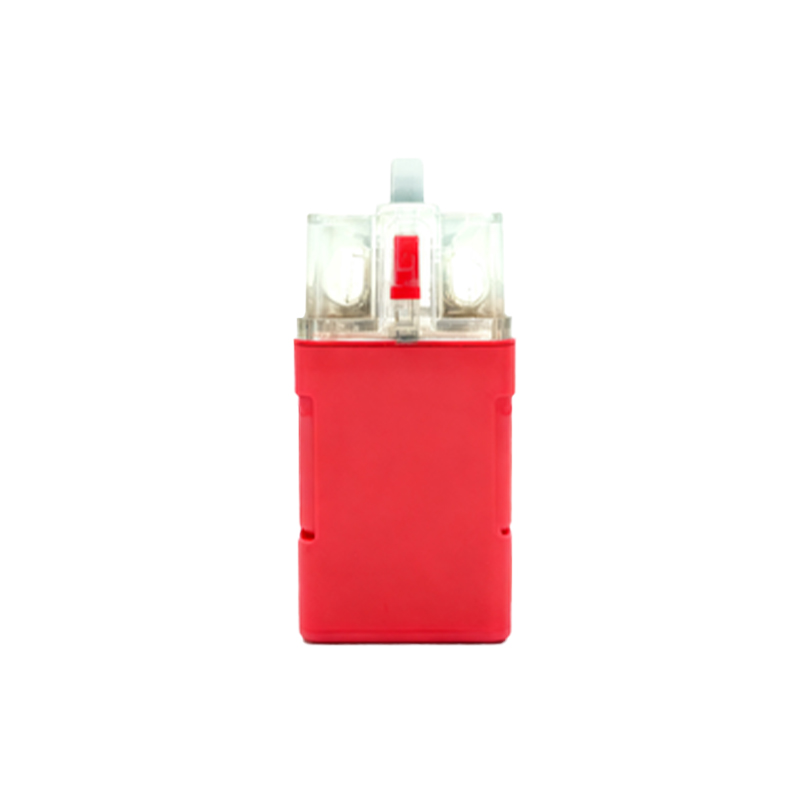
Key dimensional specifications include housing material, mounting type, and connector orientation. Most sensors utilize stainless steel, nickel-plated brass, or engineering plastics like PBT for durability. Mounting options include threaded barrels, bracket-based systems, or flush-mount designs, with dimensional tolerances critical for alignment. For example, a typical M12 sensor requires a mounting hole of 12.0mm to 12.2mm diameter with precise depth clearance to avoid interference. Connector types (e.g., M8, M12 circular connectors) or cable exit directions (axial, radial) also impact overall dimensions and installation space.
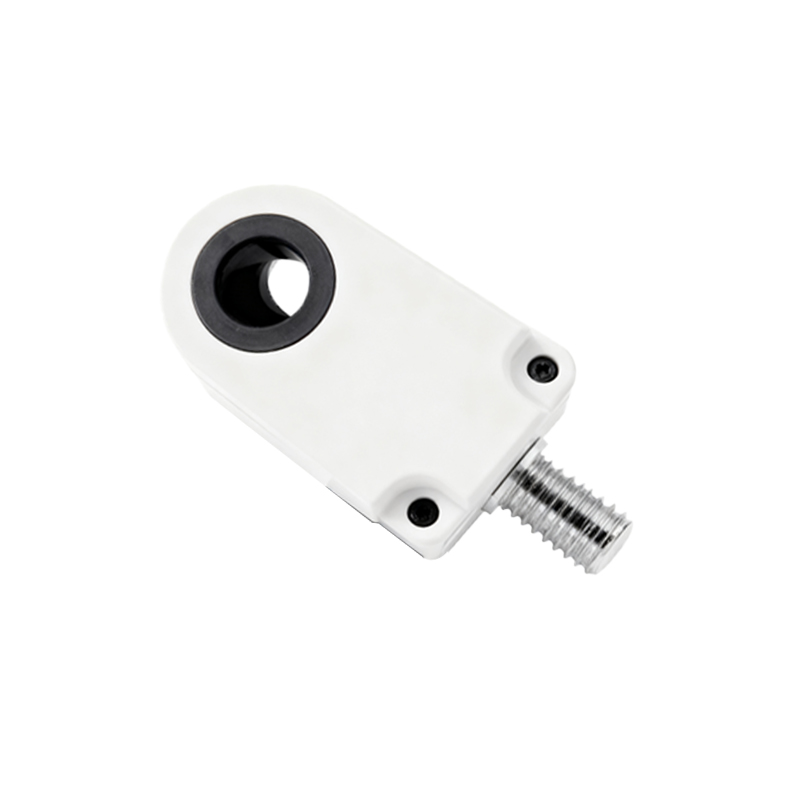
Performance specifications are intrinsically linked to physical size. Sensing distance, a primary parameter, varies from a few millimeters in miniaturized diffuse sensors to over 20 meters in through-beam models. Larger sensors often accommodate more powerful emitters and receivers, enabling extended ranges or enhanced environmental resistance. Beam patterns, determined by lens design and housing shape, affect detection accuracy; a focused beam in a compact sensor may suit small object detection, while wide-angle beams in larger units cover broader areas. Environmental ratings, such as IP67 or IP69K for dust and water resistance, influence dimensions through sealing requirements—robust sealing can add 1mm to 3mm to housing thickness.
Selecting the right sensor involves balancing dimensions with application needs. In space-constrained settings like robotic arms or conveyor guides, miniature sensors (e.g., M5 or M8 cylinders) save real estate but may sacrifice sensing range. For harsh conditions like washdown areas, larger housings with enhanced sealing are preferable despite increased size. Electrical specifications, including voltage ranges (10-30V DC or 90-250V AC) and output types (PNP/NPN, analog, IO-Link), must align with dimensional constraints, as amplifiers or circuitry can expand housing volume.
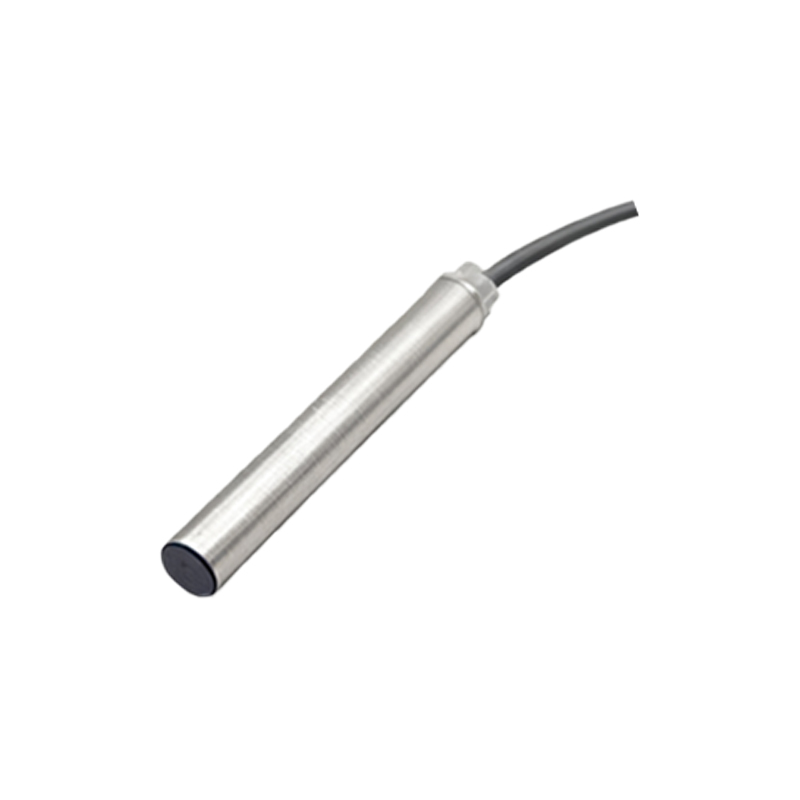
Industry standards, such as IEC 60947-5-2, provide guidelines for dimensional consistency and performance testing. Compliance ensures interoperability and safety, though manufacturers may offer custom sizes for specialized applications. When integrating sensors, consider not only the sensor body but also cable bend radii, connector protrusions, and maintenance access—all dimensional factors affecting long-term reliability.
In summary, photoelectric sensor dimensions and specifications form a critical nexus in automation design. By evaluating housing styles, mounting requirements, and performance trade-offs, engineers can optimize sensor selection for efficiency and durability. As technology advances, trends toward miniaturization and multifunctionality continue to reshape dimensional standards, enabling smarter, more compact solutions without compromising capability.