In the intricate world of industrial automation, where precision and reliability are paramount, proximity sensors operate as the silent, unseen guardians. These devices, fundamental to countless systems, detect the presence or absence of an object without any physical contact. Their operation hinges on the emission of an electromagnetic field or a beam of electromagnetic radiation, and the subsequent detection of changes in the field or return signal. The primary advantage is clear: non-contact sensing eliminates mechanical wear and tear, enabling high-speed operation and longevity in harsh environments where dirt, oil, and vibration would cripple mechanical switches.
The taxonomy of proximity sensors is defined by their underlying technology. Inductive proximity sensors are the stalwarts of metal detection. They generate an oscillating electromagnetic field from a coil. When a metallic target enters this field, eddy currents are induced within the target, causing a load on the oscillator and triggering a change in the output circuit. Renowned for their robustness, they are ideal for detecting ferrous and non-ferrous metals in machine tools, automotive assembly, and material handling. Capacitive sensors, on the other hand, can detect both metallic and non-metallic materials—liquids, plastics, wood, and granular substances. They function by measuring changes in capacitance between the sensor's active face and the target object. This makes them indispensable in level detection for tanks, packaging lines for glass or plastic bottles, and presence detection of materials on conveyor belts.
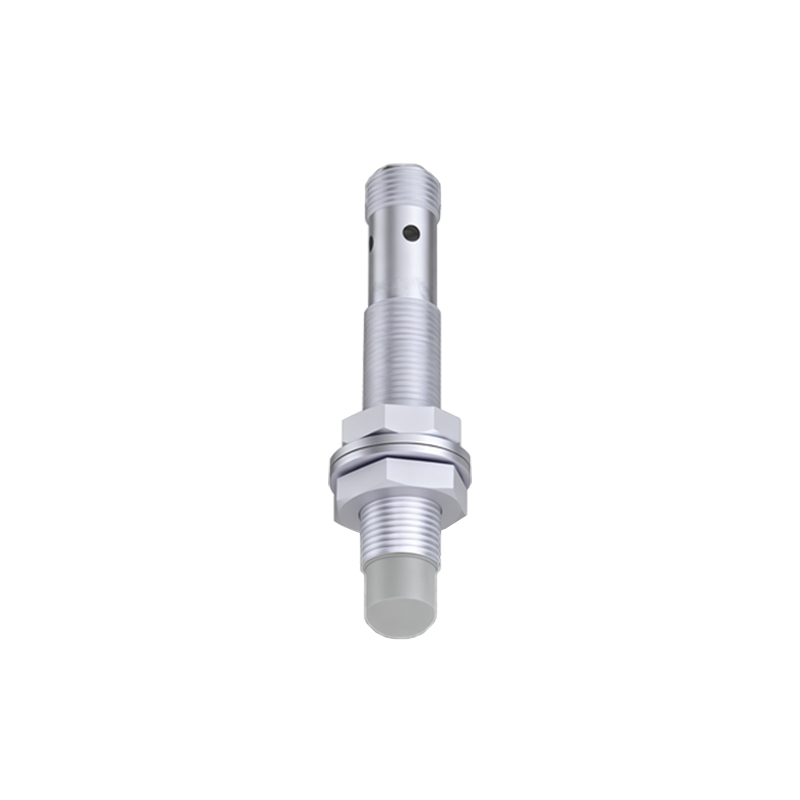
Ultrasonic proximity sensors utilize sound waves beyond human hearing. They measure the time interval between emitting a sonic pulse and receiving its echo to calculate distance. Their ability to ignore color, transparency, or material composition, and to operate effectively in dusty or steamy conditions, makes them perfect for bulk solid level sensing, loop control in web processes, and even parking assistance systems. Photoelectric sensors, employing modulated light beams (visible, infrared, or laser), offer the longest sensing ranges. Through-beam, retro-reflective, and diffuse-reflective modes provide solutions for precise positioning, small part detection, and object counting on high-speed lines, from pharmaceutical packaging to electronics manufacturing.
Selecting the appropriate sensor requires a meticulous analysis of the application. Key parameters include the target material, required sensing distance (rated operating distance), environmental conditions (IP rating for ingress protection, temperature range), output type (PNP/NPN, analog, IO-Link), and electrical requirements. Mounting considerations, such as flush or non-flush installation for inductive sensors, are critical to avoid mutual interference. The rise of Industry 4.0 has further evolved these components. Modern "smart" sensors integrate diagnostic functions, parameterization via software, and direct digital communication via protocols like IO-Link, feeding valuable process data into higher-level control and analytics systems for predictive maintenance and optimized throughput.
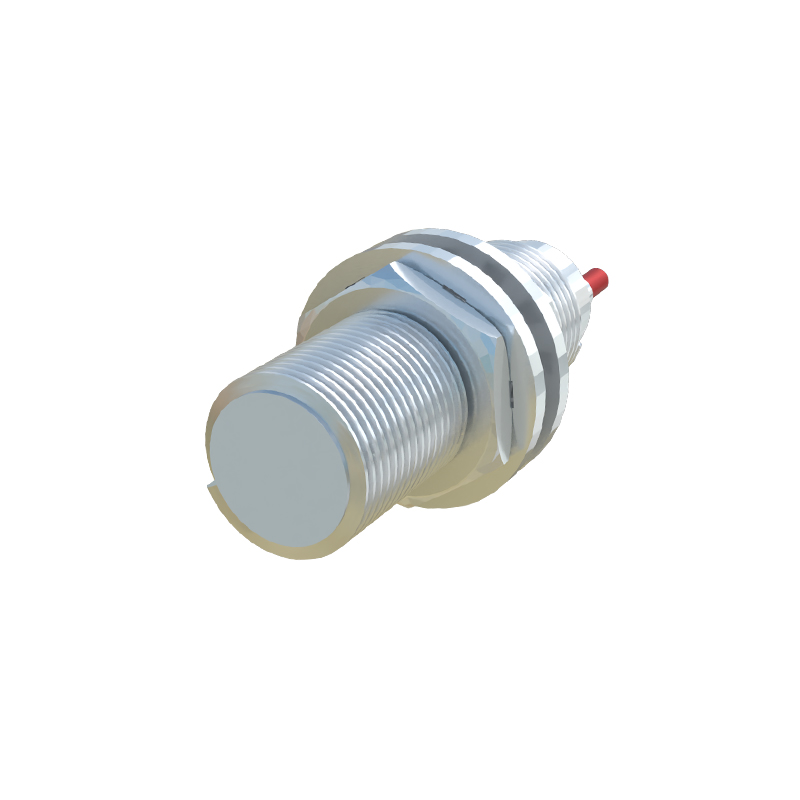
From ensuring a robotic gripper has securely picked a component to verifying a bottle cap is properly seated, proximity sensors provide the essential binary truth—object present or absent—that drives automated sequences. Their failure can halt a multi-million dollar production line. Therefore, understanding their principles, capabilities, and limitations is not merely technical trivia; it is a core competency for engineers designing, maintaining, and optimizing automated systems. As automation pushes into new frontiers with collaborative robots and flexible manufacturing cells, the demand for more intelligent, compact, and versatile proximity sensing solutions will only intensify, cementing their role as the fundamental sensory organs of the industrial world.