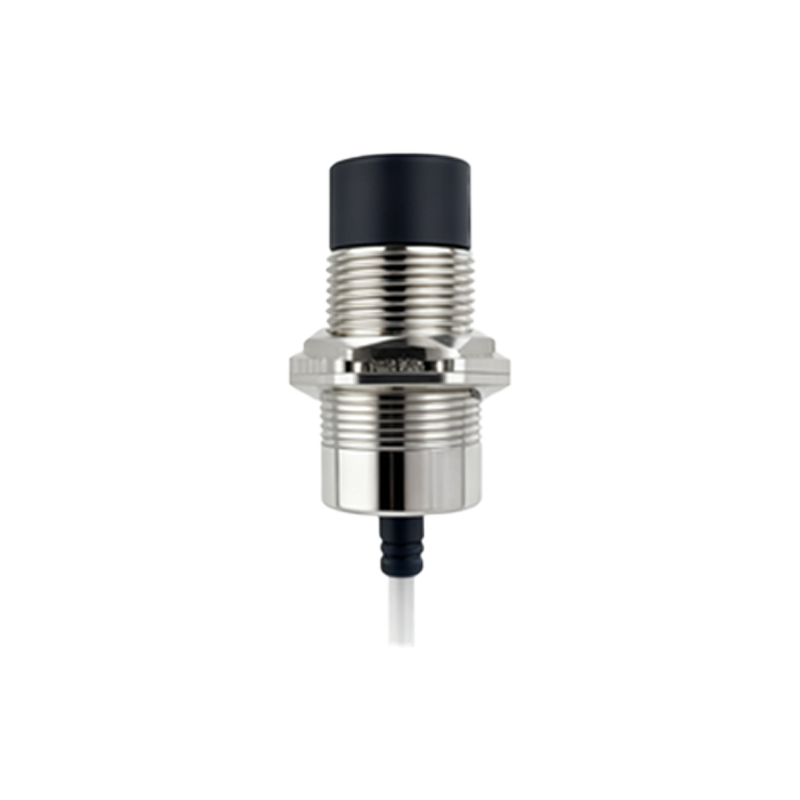
Proximity sensors are widely used in industrial automation for detecting the presence or absence of metallic objects without physical contact. Among various types, inductive proximity sensors are particularly effective for sensing magnetic poles, such as those found in permanent magnets or electromagnets. This article delves into the principles, applications, and best practices for using proximity sensors to detect magnetic poles, tailored for electrical engineers and industry professionals.
Inductive proximity sensors operate based on the principle of electromagnetic induction. They generate an alternating magnetic field via an oscillator coil. When a metallic object, including magnetic materials like ferromagnetic substances, enters this field, eddy currents are induced on the object's surface. This causes a change in the sensor's oscillation amplitude, which is detected by a threshold circuit, triggering an output signal. For magnetic poles, the sensing mechanism is similar, but the magnetic properties of the target can influence sensitivity and detection range. Magnetic poles, especially from permanent magnets, may alter the sensor's magnetic field, potentially enhancing or interfering with detection depending on the orientation and strength of the pole.
Key factors in sensing magnetic poles include material composition, pole orientation, and sensor specifications. Ferromagnetic materials, such as iron or steel, are easily detected due to their high magnetic permeability, which distorts the sensor's field significantly. In contrast, non-ferromagnetic metals like aluminum or copper may require specialized sensors. For magnetic poles, the north and south poles can exhibit different responses. For instance, if a magnet's pole is aligned parallel to the sensor's face, it might increase detection distance by reinforcing the magnetic field. Conversely, misalignment or opposing poles could reduce sensitivity. Engineers must consider the sensor's operating frequency and shielding; unshielded sensors offer longer ranges but are more susceptible to external magnetic interference, while shielded types provide focused detection in tight spaces.
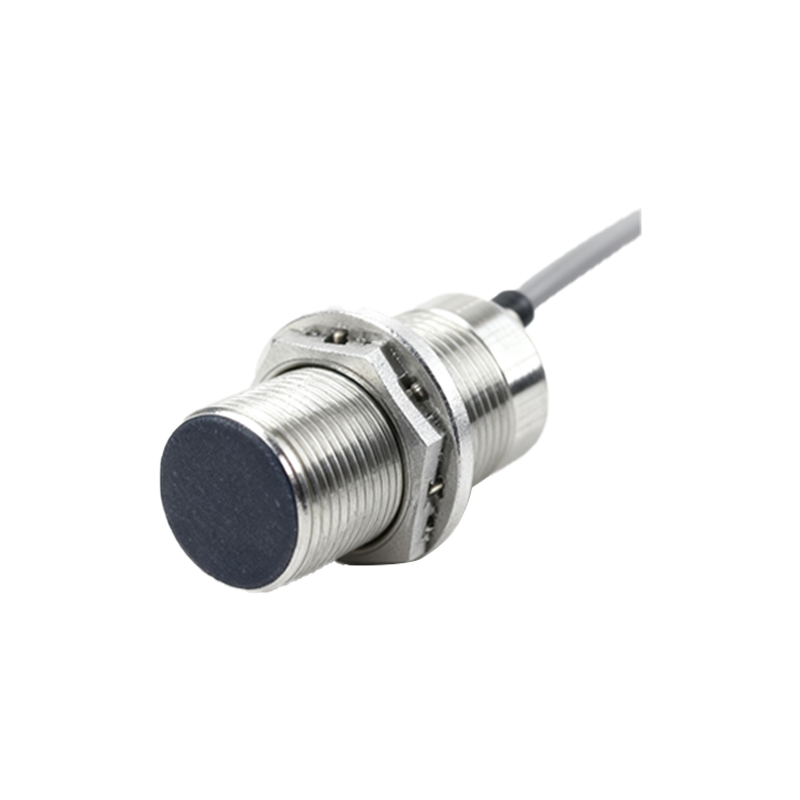
Applications of proximity sensors for magnetic pole sensing are diverse across industries. In automotive manufacturing, they monitor the position of magnetic components in engines or braking systems, ensuring precise assembly. In robotics, sensors detect magnetic encoders or actuators, enabling accurate motion control. Renewable energy sectors use them in wind turbines to sense rotor magnets, optimizing performance. Additionally, in conveyor systems, sensors identify magnetic labels on products for sorting and tracking. Best practices involve calibrating sensors based on the target's magnetic properties, maintaining proper mounting distances to avoid false triggers, and selecting sensors with appropriate IP ratings for environmental conditions like dust or moisture.
Challenges in this domain include interference from stray magnetic fields, which can cause inaccurate readings. To mitigate this, engineers should use sensors with noise immunity features, such as frequency modulation or digital filtering. Regular maintenance, like cleaning sensor faces to prevent debris buildup, is also crucial. Future trends point toward smart sensors with IoT integration, allowing real-time data analysis and predictive maintenance for magnetic pole detection systems.
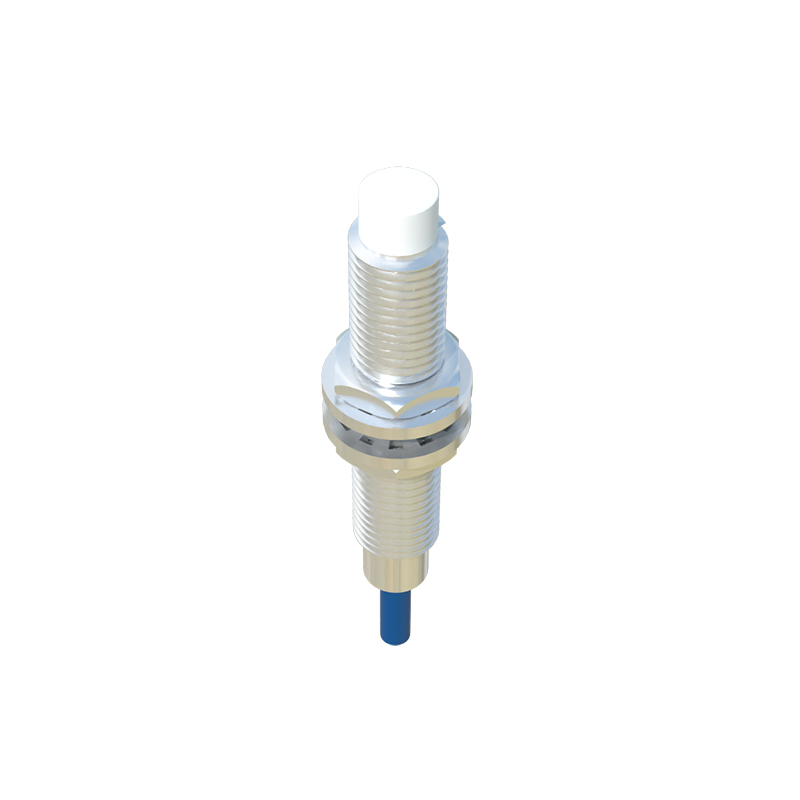
In summary, proximity sensors offer a reliable solution for sensing magnetic poles in industrial settings. By understanding the underlying principles and tailoring sensor selection to specific applications, engineers can enhance system efficiency and reliability. Continuous innovation in sensor technology promises even greater precision and adaptability for magnetic sensing tasks.