In the realm of industrial automation and control systems, proximity sensors are indispensable components. A common and crucial question among engineers and system designers is: "What is the power rating or power consumption of a proximity sensor?" The answer is not a single wattage figure but rather a range dependent on several key factors, including sensor type, operating principle, output configuration, and physical size. Understanding this power draw is essential for proper power supply sizing, circuit design, and overall system efficiency.
Firstly, it's vital to distinguish between the power consumption of the sensor itself during operation and the switching capacity or load current of its output stage. The internal electronics (oscillator, amplifier, signal conditioner) consume a relatively small, steady amount of power. The output stage, which interfaces with the load (e.g., a PLC input, relay, or indicator lamp), handles the power for that external circuit. Our focus here is primarily on the sensor's own operational consumption.
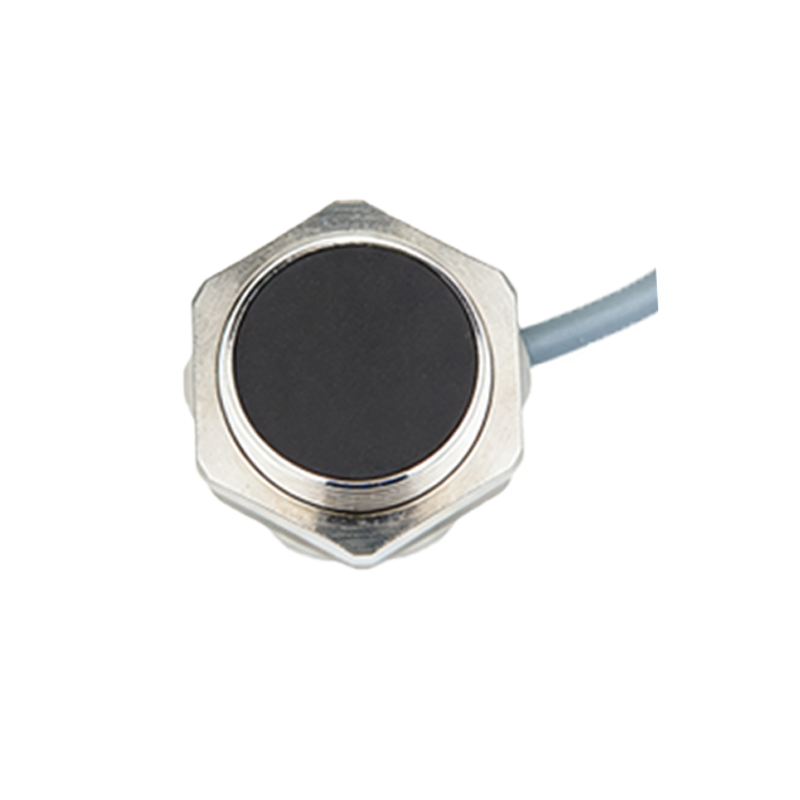
The operating principle is a primary determinant. Inductive proximity sensors, used for detecting metallic objects, are among the most common. A standard 18mm or 30mm barrel-style inductive sensor typically consumes between 1.5 to 3 watts (W) during operation, with a corresponding current draw of 10 to 200 milliamps (mA) depending on the supply voltage (commonly 10-30V DC or 20-250V AC). Capacitive sensors, used for non-metallic materials, often have a similar or slightly higher power consumption due to their sensing field characteristics.
Photoelectric sensors, which use light beams, show more variation. Compact, diffuse-reflective models may consume as little as 0.5 to 1.5W. Long-range, through-beam sensors or high-speed models with advanced optics and circuitry can consume 2W to 5W or more. Ultrasonic sensors, with their sound wave generation and echo processing, also tend toward the higher end of this range.
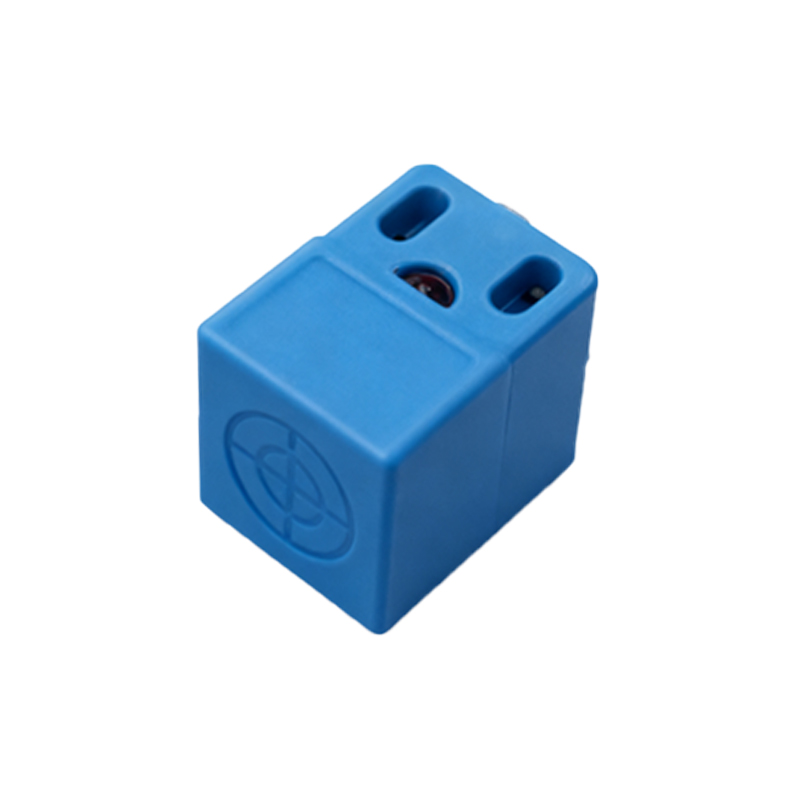
The output type significantly influences power use. Two-wire AC/DC sensors are wired in series with the load. Their internal consumption is often called the "residual current" or "leakage current" when in the "ON" state, typically ranging from 1.5 to 3mA. This represents a very low power draw. Three-wire and four-wire DC sensors (NPN or PNP) have separate power (Vcc) and output wires. Their quiescent current (no target present) is usually low, often 10-20mA, but the switching output can handle a separate load current (e.g., up to 200mA). The sensor's own consumption is the supply current minus any load current delivered to the external device.
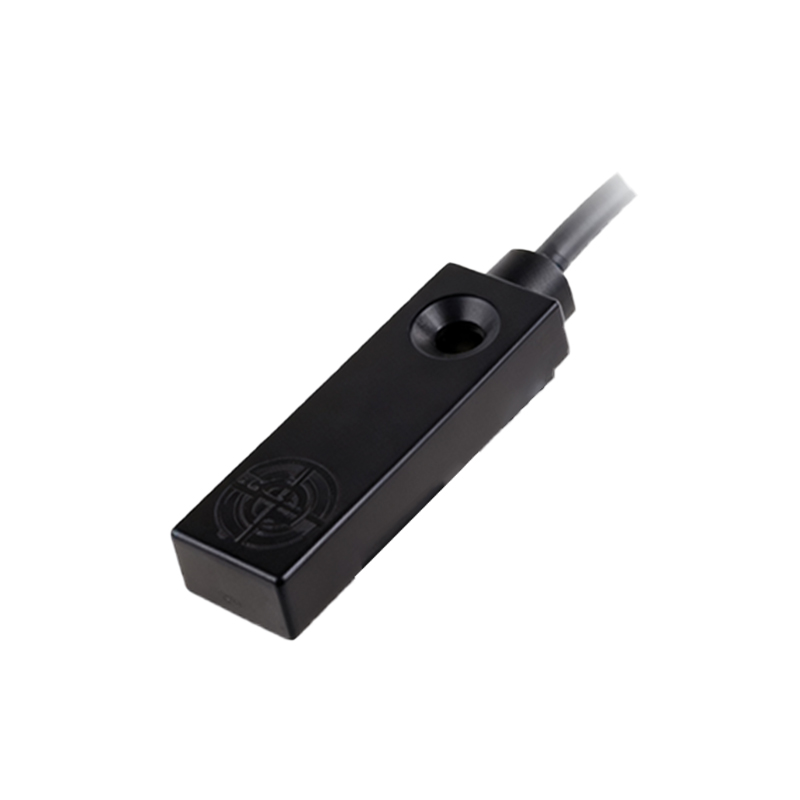
Physical size and features also play a role. Miniature sensors (e.g., M5, M8) are designed for low power consumption, often below 1W, to minimize heat generation in tight spaces. Larger, heavy-duty sensors or those with built-in amplifiers, analog outputs, or IO-Link digital communication may consume more power, sometimes 3W to 8W, to support their enhanced functionality and robust housing.
For precise planning, always consult the manufacturer's datasheet. Key specifications to look for include:
Current Consumption: Listed in mA, often for both "no-load" (quiescent) and "with load" conditions.
Maximum No-load Current: The worst-case current draw of the sensor electronics alone.
Leakage Current: For 2-wire sensors, the current flowing when the sensor is on.
Supply Voltage Range: Power consumption in watts will scale with voltage (Power = Voltage x Current).
In system design, the cumulative power draw of all sensors must be calculated to select an adequately rated power supply with a 20-30% safety margin. Overlooking this can lead to voltage drops, sensor malfunction, or intermittent operation. Furthermore, in energy-conscious applications or battery-powered systems, opting for sensors with low quiescent current is critical for extending operational life.
In summary, the power consumption of a proximity sensor is a nuanced specification. While most standard industrial inductive and photoelectric sensors operate in the 1W to 3W range, engineers must account for the specific type, output configuration, and application requirements. Proper attention to these details during the design phase ensures reliable sensor performance, stable control system operation, and optimized energy usage on the factory floor.