Proximity sensor switches are indispensable components in modern industrial automation, enabling non-contact detection of objects with high precision and reliability. To ensure optimal performance and longevity, a range of accessories is employed alongside these sensors. Understanding the correct names and functions of these accessories is crucial for engineers and technicians involved in system design, installation, and maintenance.
One of the most common accessories is the Mounting Bracket. Brackets provide secure and stable fixation of the sensor to machinery or structural frames. They come in various designs, such as L-shaped brackets, straight mounting brackets, and adjustable brackets, allowing for flexible positioning and alignment. Proper mounting minimizes vibration-induced errors and protects the sensor from mechanical stress.
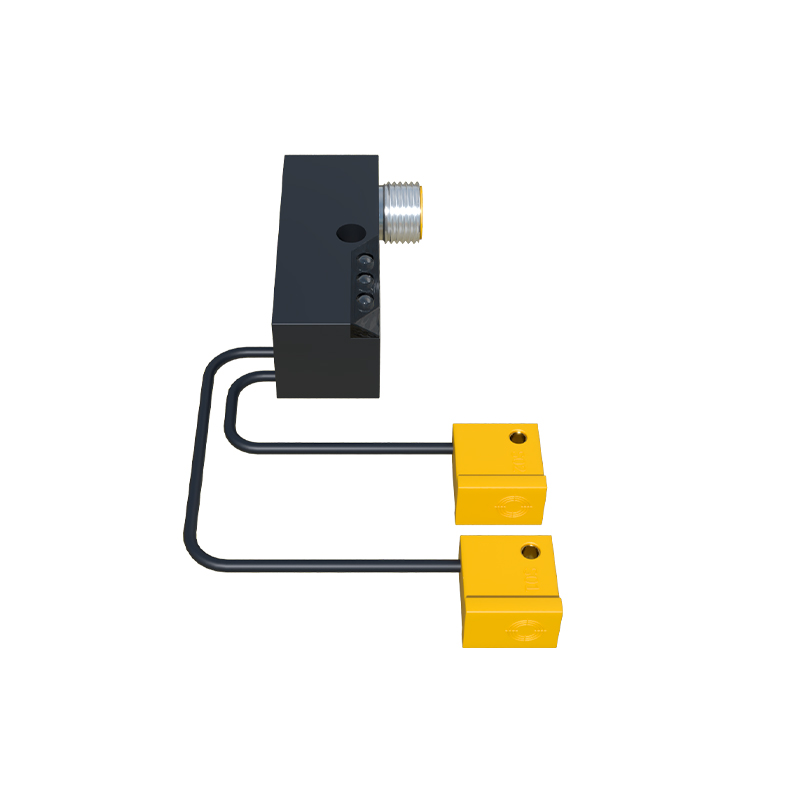
Connection Cables and Connectors are vital for establishing electrical links between the sensor and control systems. Typically, these include pre-wired cables with M8 or M12 connectors, which are standardized for industrial environments due to their robustness and resistance to dust, moisture, and electromagnetic interference. Quick-disconnect connectors facilitate easy replacement and maintenance without rewiring.
To shield sensors from harsh conditions, Protective Housings or Caps are utilized. Made from materials like stainless steel, nickel-plated brass, or engineering plastics, these housings guard against impacts, corrosive chemicals, and extreme temperatures. For instance, a Threaded Barrel Housing is often used in high-vibration settings, while a Non-Metallic Housing may be chosen to avoid interference in sensitive detection applications.
Sensing Face Covers or Lenses protect the active surface of inductive or capacitive sensors from abrasion, dirt, and splash. These are usually made from wear-resistant polymers or ceramics. In capacitive sensors, Dielectric Covers can be applied to adjust the sensing characteristics for specific materials.
For alignment and calibration, Alignment Tools and Test Indicators are employed. Laser alignment tools help position sensors accurately relative to target objects, ensuring consistent detection. Portable testers or LED indicators built into the sensor provide real-time feedback on operational status, simplifying troubleshooting.
In environments with excessive electrical noise, Ferrite Cores or Filters are added to cables to suppress electromagnetic interference, preventing false triggering. Additionally, Extension Cables and Junction Boxes allow for longer distances between sensors and controllers while maintaining signal integrity.
When integrating sensors into control networks, Interface Modules and Amplifiers play a key role. These devices convert sensor signals into compatible formats for PLCs (Programmable Logic Controllers) or other automation systems. For example, a NAMUR Proximity Sensor often requires an Intrinsic Safety Barrier for use in hazardous areas.
Lastly, Mounting Accessories like Spacers, Shims, and Locknuts ensure precise gap maintenance between the sensor and target, which is critical for reliable operation. Labeling Kits with durable tags assist in identification and documentation within complex machinery setups.
Regular inspection and replacement of these accessories are essential to prevent downtime. Engineers should refer to manufacturer datasheets for compatibility and specifications, as using incorrect accessories can lead to reduced sensitivity, false readings, or sensor failure. By mastering the terminology and applications of these components, professionals can enhance system efficiency and adapt to diverse industrial challenges, from automotive assembly lines to food processing plants.