In the dynamic landscape of industrial automation, the quest for reliable and cost-effective sensing solutions is perpetual. Proximity sensors, the silent sentinels of the factory floor, play a pivotal role in detecting the presence or absence of objects without physical contact. While high-end models with extensive feature sets dominate discussions, a significant market exists for affordable and practical proximity sensors that deliver robust performance for a wide array of common applications. This article delves into the world of these economical workhorses, exploring their types, key selection criteria, and practical implementation tips.
The foundation of an affordable proximity sensor lies in its core technology. Inductive sensors remain the most prevalent and cost-effective choice for detecting metallic objects. Modern manufacturing techniques and standardized components have driven prices down while maintaining impressive performance. Typical sensing ranges for economical inductive sensors range from 2mm to 15mm, sufficient for countless positioning, counting, and end-of-travel detection tasks. For non-metallic targets, capacitive sensors offer a budget-friendly alternative. Though slightly more specialized, their ability to detect materials like wood, plastic, and liquids makes them invaluable in packaging, material handling, and level control applications at a reasonable cost.
When selecting a cost-effective sensor, engineers must balance performance with price. Key parameters include the sensing distance, which should have a 10-20% safety margin from the actual application requirement to account for installation tolerances and environmental factors. The housing material is another critical consideration; sensors with PBT or nickel-plated brass housings provide excellent durability against coolants, oils, and mechanical impact without the premium price of stainless steel versions. The output configuration—typically PNP (sourcing) or NPN (sinking)—must match the controller's input card. Many affordable models now offer both NO (Normally Open) and NC (Normally Closed) logic selectable via a simple switch, adding valuable flexibility.
Electrical characteristics are non-negotiable, even for budget models. Look for a wide operating voltage range, such as 10-30V DC, which ensures compatibility with various power supplies and mitigates voltage fluctuation issues. A key indicator of quality is protection against reverse polarity, short-circuit, and overload, which are now standard features in reputable economical lines. The current rating, often around 200mA, should adequately drive relays, PLC inputs, or indicator lamps. For environments with significant electrical noise, such as those near variable frequency drives (VFDs) or welding equipment, selecting a sensor with built-in surge and noise immunity is crucial for stable operation, preventing costly false triggers and downtime.
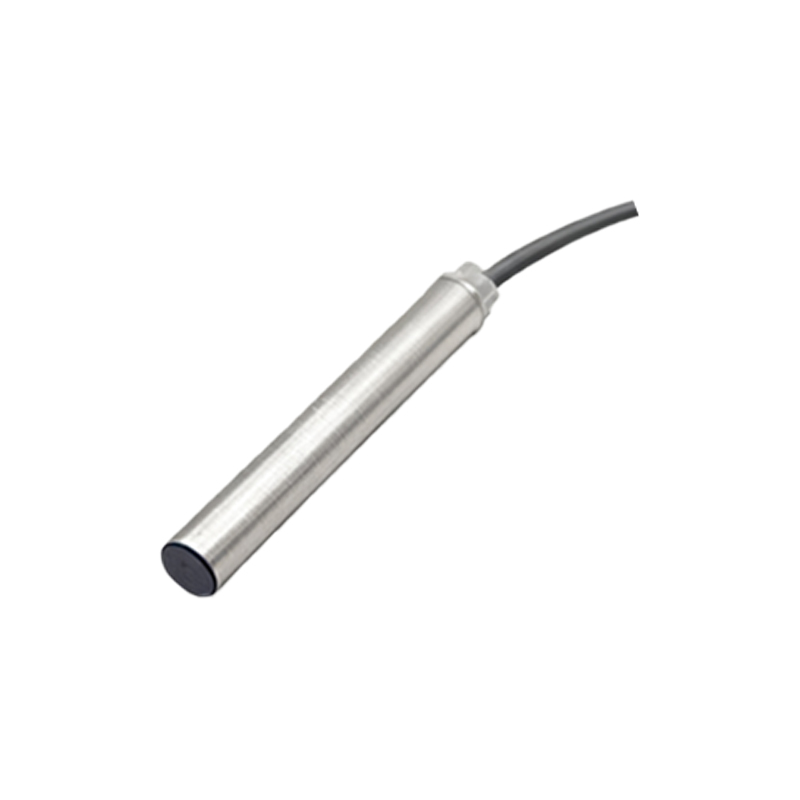
Installation and environmental practicality are where affordable sensors truly prove their worth. Cylindrical M8, M12, M18, and M30 threaded bodies are industry standards, allowing for easy mounting in drilled holes or with standard brackets. The prevalence of quick-disconnect connectors, especially for M8 and M12 sizes, drastically reduces wiring time and maintenance costs. While high-end sensors boast IP67 and IP69K ratings, many cost-effective models reliably achieve IP67, making them fully protected against dust ingress and temporary immersion—adequate for most washdown and outdoor conditions not involving high-pressure, high-temperature jets.
The real-world applications for these sensors are vast. They are extensively used in conveyor systems for part detection and jam prevention, in machine tools for tool positioning and pallet verification, and in assembly stations for confirming component presence. Their simplicity and reliability make them ideal for OEM machinery where cost control is paramount and for plant maintenance teams needing a dependable, easy-to-replace component. By avoiding unnecessary complex features like analog outputs or advanced diagnostics for basic on/off detection, these sensors provide exactly what is needed at a fraction of the cost.
In conclusion, the market for affordable proximity sensors is rich with options that do not compromise on core reliability. Success lies in clearly defining the application requirements—target material, required sensing distance, environmental conditions, and electrical interface. By focusing on these fundamentals and selecting sensors from manufacturers with a proven track record in industrial components, engineers and technicians can achieve significant cost savings across projects without sacrificing operational integrity. In an era of smart factories, the humble, practical, and inexpensive proximity sensor remains an indispensable component, proving that sometimes, the simplest solution is the most effective and economical one.