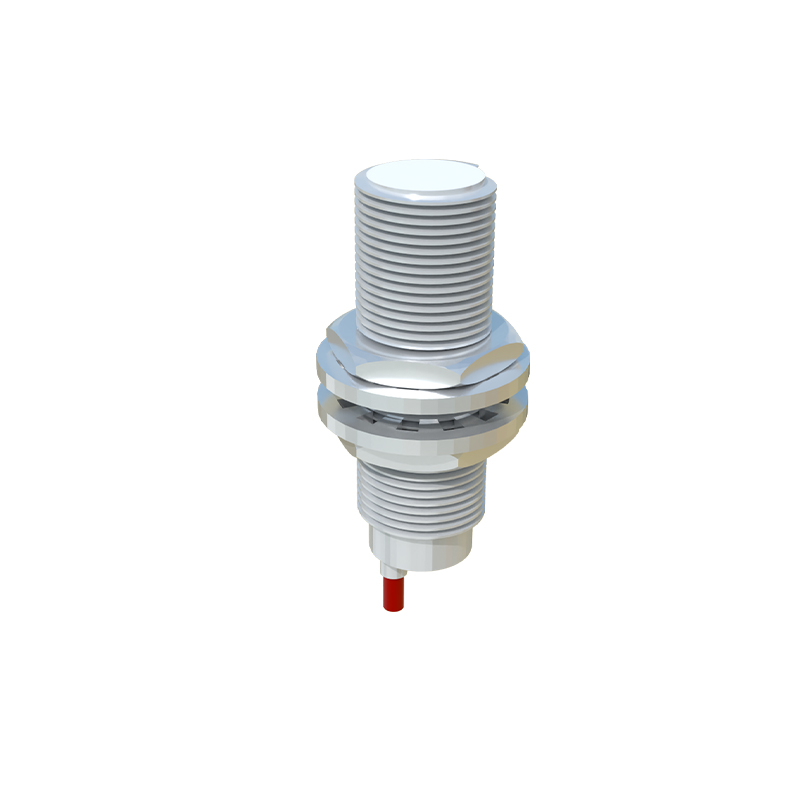
In the realm of industrial automation and electrical engineering, proximity sensors are indispensable components for detecting the presence or absence of objects without physical contact. Among the critical aspects ensuring their reliable installation and compatibility is adherence to thread standards. Thread specifications not only dictate how sensors integrate into machinery but also influence sealing, durability, and interchangeability across global systems. This article delves into the key thread standards for proximity sensors, offering insights for engineers to make informed decisions in design and maintenance.
The most prevalent thread standards for proximity sensors include metric (M), unified national (UN), and pipe threads (NPT, G). Metric threads, conforming to ISO standards, are widely used in Europe and Asia. They are denoted by "M" followed by the nominal diameter in millimeters and pitch—for instance, M12x1.0 indicates a 12 mm diameter with a 1.0 mm pitch. These threads are favored for their precision and compatibility with IEC (International Electrotechnical Commission) guidelines, ensuring seamless integration in automated systems. Unified national threads, common in North America, come in coarse (UNC) and fine (UNF) series. A typical example is 1/2"-20 UNF, where 1/2" is the major diameter and 20 threads per inch. This standard provides robust mechanical strength, often specified in harsh environments like manufacturing plants. Pipe threads, such as NPT (National Pipe Taper) and G (parallel) threads, are essential for applications requiring fluid or pressure sealing. NPT threads taper to create a tight seal, while G threads maintain a constant diameter, often used with O-rings. Engineers must consider factors like material (e.g., stainless steel for corrosion resistance) and thread locking mechanisms to prevent loosening from vibrations.
Selecting the appropriate thread standard involves evaluating application requirements. For high-vibration settings, fine threads like UNF offer better resistance to loosening. In wet or dusty conditions, threads with IP (Ingress Protection) ratings, such as those with integrated seals, are crucial. Metric threads often align with IP67 standards, providing dust and water resistance. Additionally, industry-specific standards, like those from DIN (Deutsches Institut für Normung) or ANSI (American National Standards Institute), may dictate choices. For instance, DIN 19234 outlines proximity sensor dimensions, including threads, for European machinery. Misalignment or improper threading can lead to sensor failure, so using tools like thread gauges and following torque specifications is vital. In global supply chains, engineers should verify thread compatibility to avoid downtime—adapter rings or custom machining may bridge gaps between standards.
Emerging trends, such as miniaturization and Industry 4.0, are influencing thread design. Smaller sensors with M5 or M8 threads are gaining traction for compact robotics, while smart sensors may incorporate electronic identification via threads. As automation evolves, staying updated with ISO 11739-1 for metric threads and ASME B1.1 for unified threads ensures compliance. Ultimately, mastering proximity sensor thread standards enhances system reliability, reduces maintenance costs, and supports interoperability in diverse industrial landscapes. By prioritizing these specifications, engineers can optimize performance and drive innovation in electrical projects worldwide.