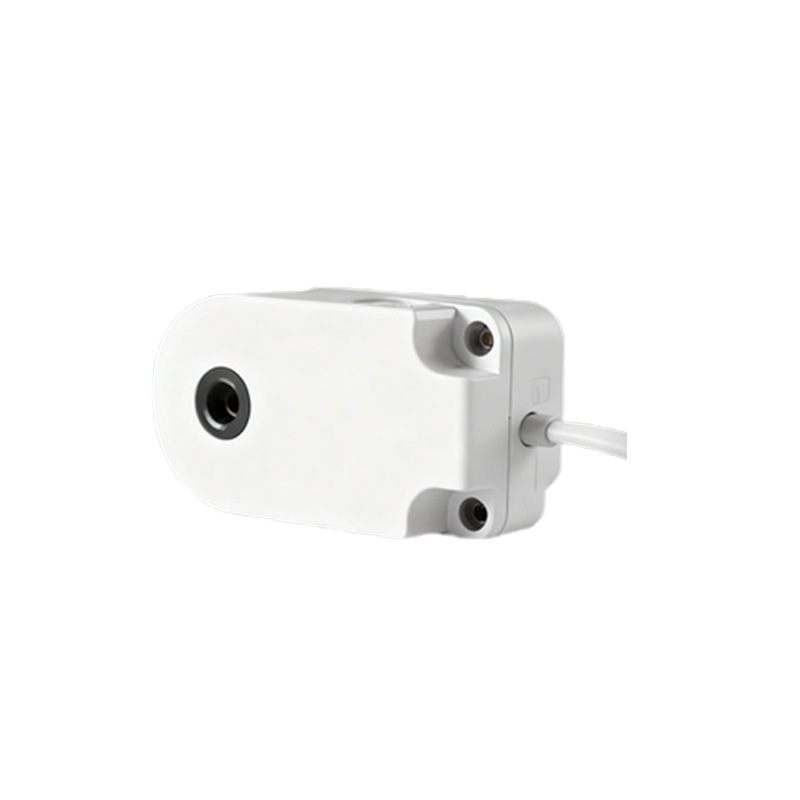
In the demanding world of industrial automation, proximity switch sensors are indispensable for non-contact detection, position sensing, and object counting. Their role becomes exponentially more critical—and challenging—when deployed in high-pressure environments. These conditions, common in sectors like oil and gas, hydraulic systems, deep-sea applications, and high-pressure processing, impose unique stresses that standard sensors cannot withstand. This article delves into the engineering considerations, material science, and design innovations that enable proximity sensors to function reliably under extreme pressure.
The primary adversary in high-pressure applications is not merely the force itself but the complex interplay of physical forces it creates. Excessive external pressure can lead to housing deformation, compromising the internal seal integrity. Once the hermetic seal is breached, pressurised media (whether liquid or gas) can infiltrate the sensor cavity. This intrusion can cause short circuits, corrode electronic components, alter the dielectric properties around the sensing face, and ultimately lead to catastrophic failure. Furthermore, sustained high pressure can induce material fatigue, causing slow leakage or sudden implosion of the housing.
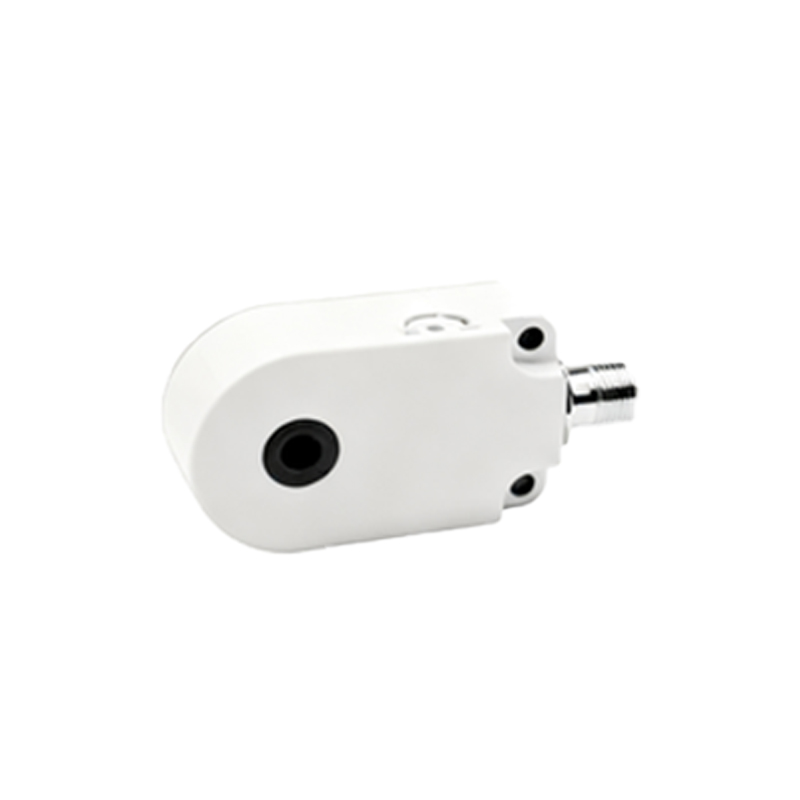
To combat these forces, the design philosophy shifts fundamentally. Housing construction is paramount. Instead of standard plastics or thin-gauge metals, engineers specify materials like high-grade stainless steel (e.g., 316L), Inconel, or specially engineered polymers with high compressive strength and low creep. The geometry of the housing is also optimized; cylindrical designs often offer better pressure resistance than rectangular ones, and walls are thickened strategically. However, thickening alone is insufficient without addressing the weakest point: the seal.
The sealing system is the heart of a high-pressure proximity sensor. Standard O-rings may suffice for low-pressure ingress protection but fail under sustained high load. The solution often lies in metal-to-metal seals or advanced multi-lip elastomeric seals combined with glass-to-metal hermetic seals for the electrical feedthrough. These feedthroughs, where the connecting cable enters the housing, are particularly vulnerable. Here, specialized epoxy potting compounds or welded gland entries are used to create a permanent, impervious barrier. The sensing face itself, typically a polymer material, must be selected for low compressibility and excellent adhesion to the metal housing to prevent delamination.
Beyond physical integrity, the sensor's electrical performance must remain stable. High pressure can affect the oscillation damping in inductive sensors or the capacitance in capacitive models. Advanced designs incorporate pressure-compensated circuits or use sensing frequencies less susceptible to dielectric changes. For critical applications, all-welded construction eliminates internal air pockets that could compress and shift components, ensuring consistent sensing distance (the rated operating point) is maintained regardless of ambient pressure.
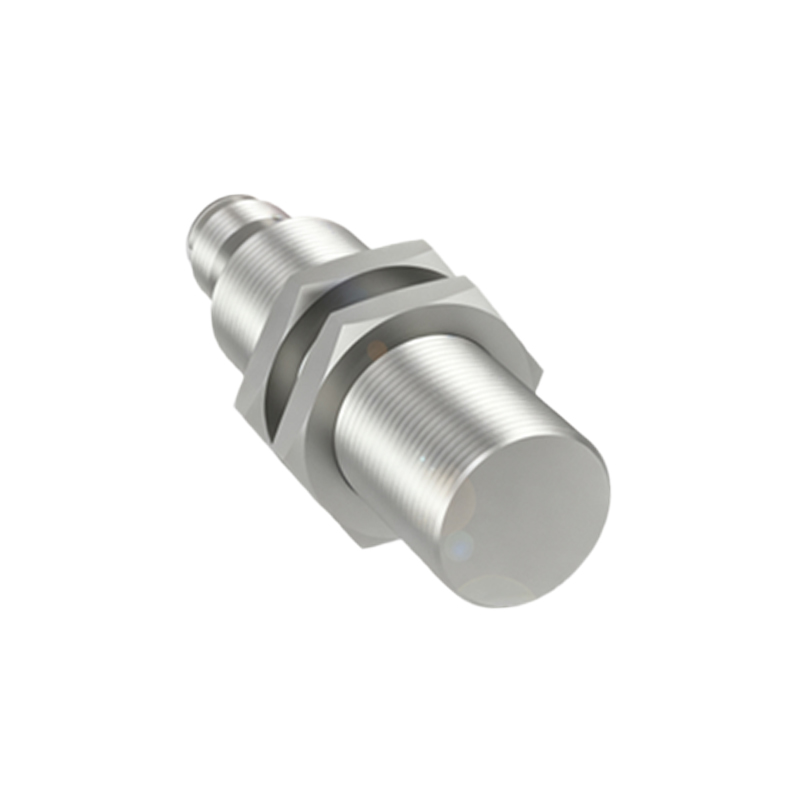
Installation and maintenance practices are equally crucial. Proper thread engagement—using tapered pipe threads (NPT) or metric threads designed for pressure—and correct torque values are essential to prevent creating a stress concentration point. The sensor should be mounted such that pressure is applied evenly, avoiding side-loading. Regular inspection for signs of coating wear, seal extrusion, or micro-leaks is part of a robust predictive maintenance program in these harsh settings.
In conclusion, a proximity sensor for high-pressure duty is a feat of interdisciplinary engineering. It merges robust metallurgy, precision sealing technology, and stable electronics to create a device that can see and signal where others would fail. For engineers specifying these components, understanding the full scope of the environmental challenge—including pressure cycles, media compatibility, and temperature extremes—is the first step. The right sensor is not just a component; it is a reliable sentinel, ensuring safety, continuity, and efficiency at the very edge of operational possibility.