In the rapidly evolving automotive industry, technological advancements have significantly enhanced vehicle safety, efficiency, and user experience. One such innovation is the integration of proximity sensors, which have become a standard feature in modern vehicles. Proximity sensors, also known as proximity detection systems, are electronic devices designed to detect the presence or absence of objects within a specific range without physical contact. These sensors utilize various technologies, including ultrasonic, electromagnetic, and infrared, to provide real-time data to the vehicle's control systems.
The primary application of proximity sensors in vehicles is for parking assistance and collision avoidance. Ultrasonic sensors, commonly mounted on the front and rear bumpers, emit high-frequency sound waves that bounce off nearby objects. The system calculates the distance based on the time taken for the waves to return, alerting the driver through audible or visual signals. This technology is particularly useful in tight parking spaces, reducing the risk of minor accidents and improving maneuverability. Additionally, electromagnetic sensors are employed in blind-spot detection systems, monitoring areas that are not visible to the driver through mirrors. These sensors can detect vehicles approaching from the side and provide warnings to prevent lane-change collisions.
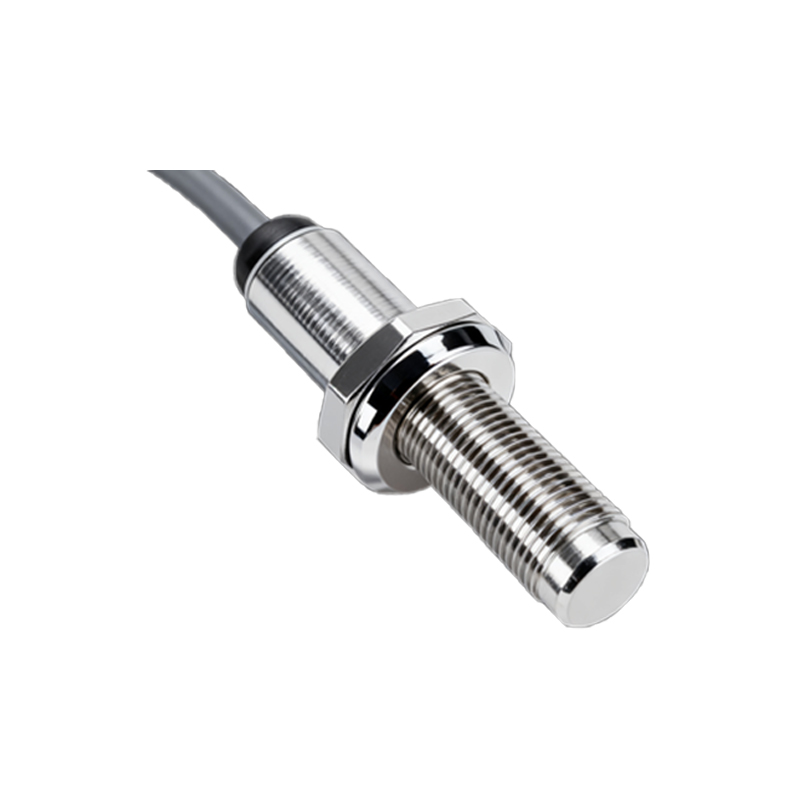
Beyond parking and blind-spot monitoring, proximity sensors play a crucial role in advanced driver-assistance systems (ADAS). They contribute to features such as adaptive cruise control, which maintains a safe distance from the vehicle ahead by adjusting speed automatically. In autonomous driving prototypes, proximity sensors are integral to environmental perception, working alongside cameras and radar to create a comprehensive view of the surroundings. This synergy enables vehicles to navigate complex traffic scenarios, detect pedestrians, and avoid obstacles with high precision.
The implementation of proximity sensors also extends to interior applications. For instance, some luxury models incorporate sensors to detect occupants' presence for airbag deployment optimization or to activate cabin features like lighting and climate control based on proximity. Moreover, hands-free trunk opening systems use sensors to allow access when a key fob is detected nearby, enhancing convenience for users carrying groceries or other items.
From an engineering perspective, the reliability and accuracy of proximity sensors are paramount. Factors such as weather conditions, sensor placement, and interference from other electronic devices can affect performance. Manufacturers conduct rigorous testing to ensure sensors operate effectively in diverse environments, including rain, snow, and extreme temperatures. Regular maintenance, such as keeping sensor surfaces clean from dirt and debris, is essential for optimal functionality. As the automotive industry moves toward greater electrification and autonomy, the demand for more sophisticated proximity sensing technologies is expected to grow. Innovations like LiDAR (Light Detection and Ranging) and improved ultrasonic arrays are being developed to offer higher resolution and longer detection ranges.
In summary, proximity sensors are indeed present on vehicles, serving as a cornerstone of modern automotive safety and convenience systems. Their evolution from basic parking aids to complex ADAS components underscores the industry's commitment to reducing accidents and enhancing the driving experience. For consumers, understanding how these sensors work can lead to better utilization and appreciation of their vehicle's capabilities, while for engineers, continuous refinement of sensor technology remains a key focus in shaping the future of transportation.