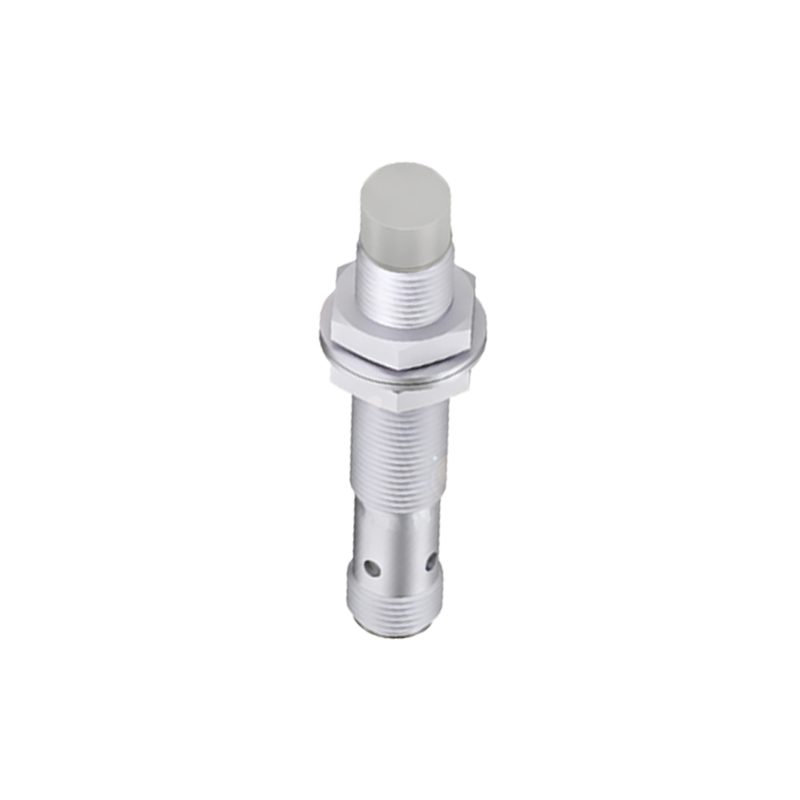
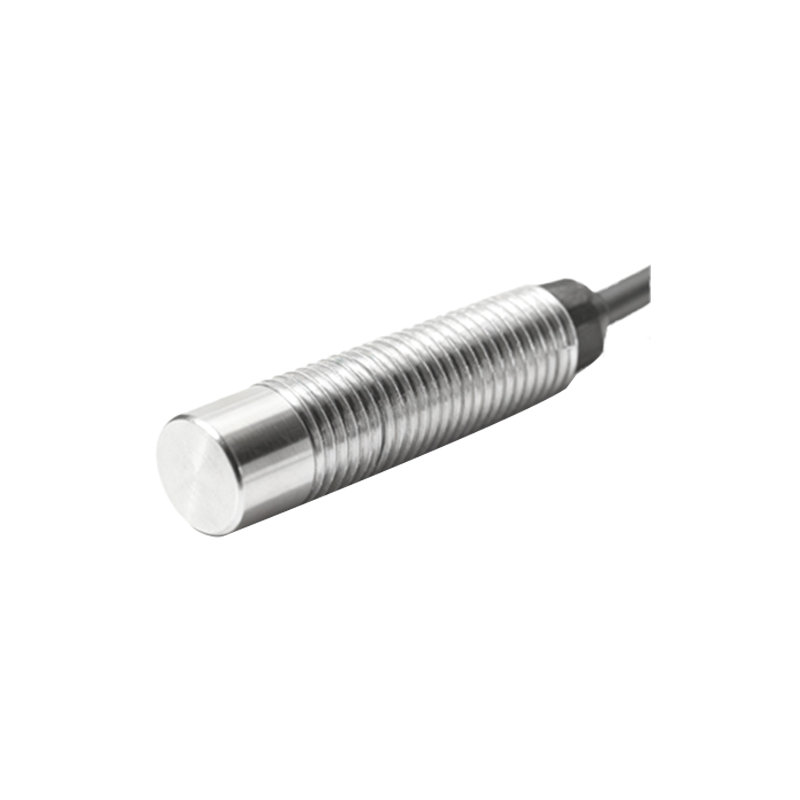
In the realm of industrial automation and control systems, proximity sensors play a pivotal role in detecting the presence or absence of objects without physical contact. However, when operations extend into harsh environments characterized by extreme cold—such as cold storage facilities, outdoor winter installations, polar research stations, or cryogenic processing plants—standard proximity sensors often falter. This is where specialized low temperature proximity sensors and their knowledgeable agents become indispensable.
Low temperature proximity sensors are engineered to maintain reliable performance in sub-zero conditions, typically ranging from -40°C down to -100°C or even lower for certain models. The core challenge in such environments is the behavior of materials and electronic components. Conventional sensors may suffer from seal brittleness, lubricant solidification in moving parts, LCD display failure, battery performance degradation, and condensation leading to internal icing. Specialized low-temperature variants address these issues through design adaptations like using materials with suitable low-temperature ductility (e.g., specific elastomers for seals), low-temperature greases, and components rated for extended temperature ranges. The sensing technology itself—whether inductive, capacitive, or photoelectric—must also be selected or tuned for stability under thermal stress.
Acting as a bridge between manufacturers and end-users, a proficient low temperature proximity sensor agent provides far more than just product supply. Their value lies in deep technical expertise and application understanding. A competent agent will first conduct a thorough analysis of the operational environment. Key parameters include the minimum ambient temperature, rate of temperature change, potential for thermal cycling, exposure to moisture or condensation, and the presence of chemicals like de-icing agents. The agent must then guide the selection of sensor specifications: not just the temperature rating, but also the housing material (stainless steel often performs better than standard plastics), ingress protection (IP) rating for moisture, and output type (PNP/NPN/analog) compatible with cold-affected control systems.
Furthermore, installation and maintenance guidance is critical. Even the best sensor can fail if installed incorrectly in a low-temperature setting. Agents advise on proper mounting to avoid stress cracks, recommend heating elements or enclosures for extreme scenarios, and provide protocols for startup in phased cooling environments to prevent thermal shock. They also underscore the importance of verifying sensing distances, as the oscillation characteristics of some sensors can drift in cold temperatures. Post-installation, a reliable agent supports with troubleshooting services and ensures the availability of spare parts, understanding that downtime in critical cold-chain logistics or chemical processing can be extraordinarily costly.
For industries like food and beverage cold storage, pharmaceutical refrigeration, chemical processing with cryogenic stages, or outdoor automated machinery in cold climates, partnering with a specialized agent for low temperature proximity sensors mitigates risk. It transforms a simple component purchase into a holistic solution for operational resilience. The agent’s role encompasses product selection, system integration advice, and long-term support, ensuring that the sensing point remains the most reliable link in the chain, not the weakest. In essence, they provide the assurance that automation will proceed seamlessly, regardless of how low the mercury drops.
When evaluating an agent, look for demonstrable experience with case studies in similar environments, strong technical support capabilities, and a partnership with reputable manufacturers whose products have proven field performance data in low-temperature applications. The goal is to achieve not just detection, but dependable and repeatable detection under the most challenging thermal conditions, securing both safety and productivity.