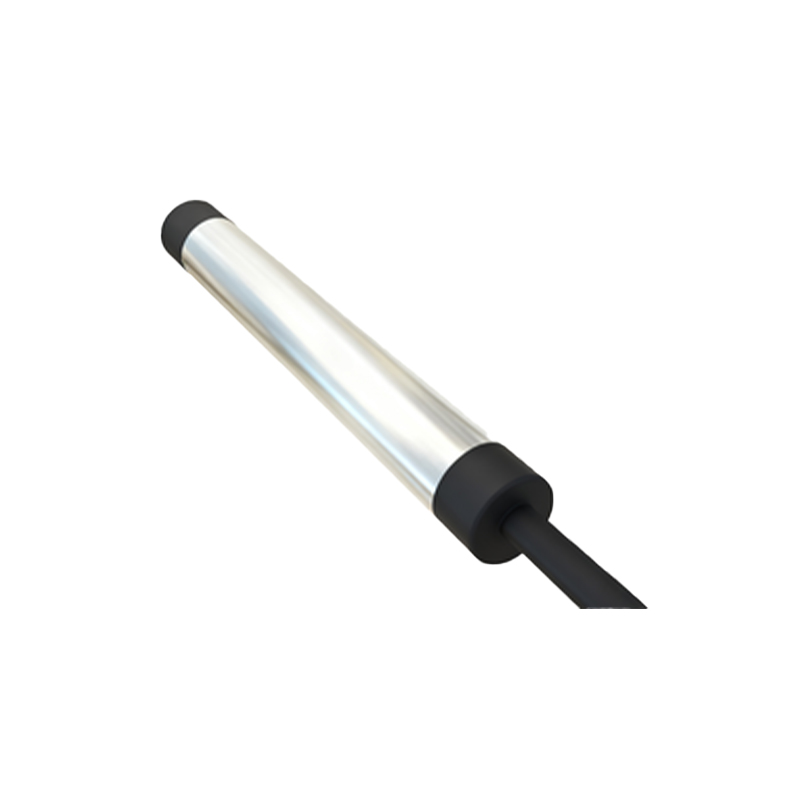
Proximity magnetic switches, often referred to as reed switches or magnetic proximity sensors, are fundamental components in modern industrial automation and electrical systems. These devices operate on a simple yet highly effective principle: they detect the presence or absence of a magnetic field, typically generated by a permanent magnet, and respond by opening or closing an electrical circuit. Unlike mechanical switches that require physical contact, magnetic proximity switches offer non-contact sensing, which translates to enhanced durability, reliability, and longevity in demanding environments.
The core mechanism involves a pair of ferromagnetic reeds sealed within a glass tube filled with an inert gas. When an external magnetic field of sufficient strength approaches, the reeds magnetize and attract each other, making contact and closing the circuit. Once the magnet moves away, the reeds' spring force separates them, breaking the circuit. This binary, on-off functionality makes them ideal for position sensing, limit switching, and safety interlocking in machinery. Common applications include detecting the open/closed status of doors and hatches, monitoring valve positions in fluid control systems, and serving as end-stops in linear actuators or conveyor systems. Their sealed construction makes them resistant to dust, moisture, and corrosion, suitable for use in harsh conditions like manufacturing floors, automotive assemblies, and outdoor equipment.
When selecting a proximity magnetic switch for an industrial project, several technical parameters require careful consideration. The sensing distance, or operating point, is critical and depends on the magnet's strength and the switch's sensitivity. Engineers must account for factors like temperature stability, as extreme heat or cold can affect magnetic properties and switch response time. The electrical ratings—such as maximum switching voltage, current capacity (both AC and DC), and contact configuration (normally open, normally closed, or changeover)—must align with the control circuit's requirements to prevent arcing, welding, or premature failure. For instance, a low-power reed switch might control a PLC input, while a high-capacity version could directly switch a solenoid or small motor.
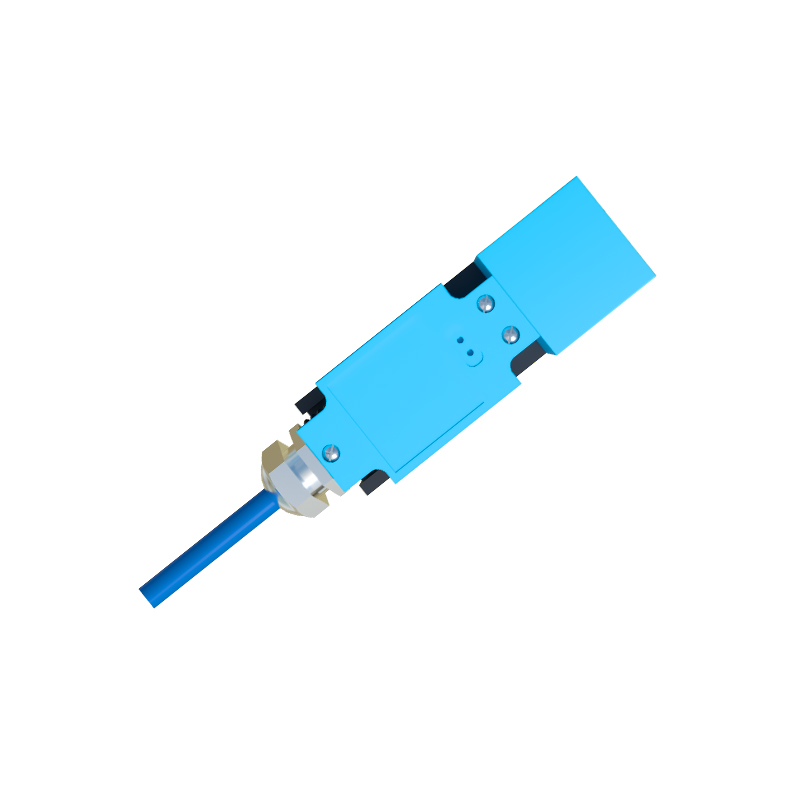
Installation and integration practices significantly impact performance. Proper alignment between the magnet (actuator) and the switch body is essential to ensure consistent triggering. Vibration or shock in the operating environment can cause false triggering if not mitigated through secure mounting or damping. In complex electromagnetic environments, shielding may be necessary to prevent interference from nearby motors or power lines. For digital control systems, these switches often interface with programmable logic controllers (PLCs) or industrial PCs, providing a simple discrete signal that indicates a state change.
Advancements in sensor technology have led to hybrid and solid-state variants, such as Hall-effect sensors, which offer faster switching speeds and greater precision for dynamic applications. However, traditional magnetic reed switches remain popular due to their simplicity, cost-effectiveness, and electrical isolation—the contacts are physically separated from the sensing element, providing excellent noise immunity and safety in high-voltage scenarios. Maintenance is typically minimal, involving periodic checks for physical damage, contamination, or magnet degradation.
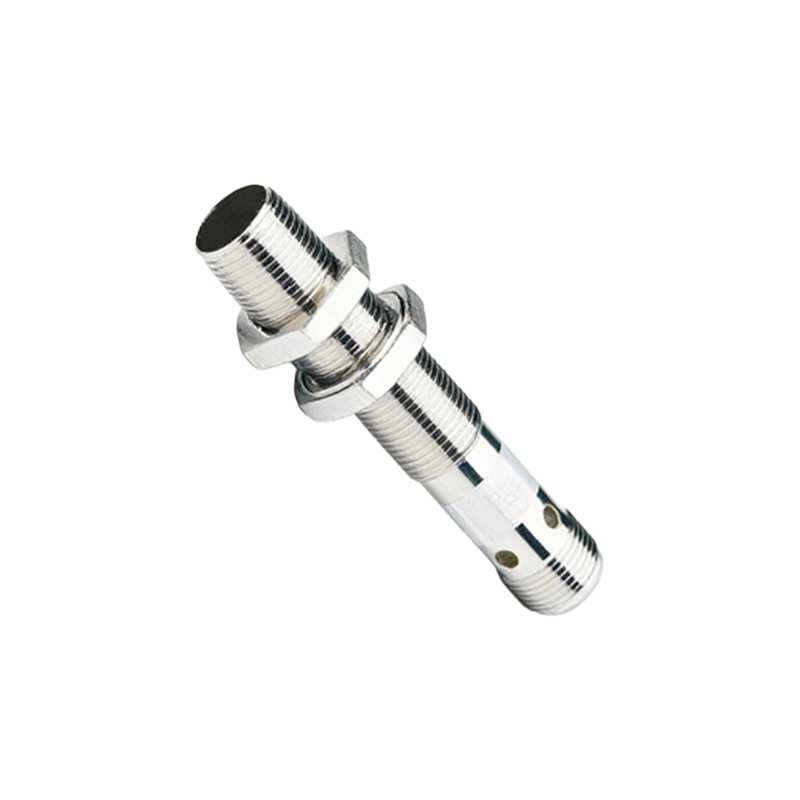
In summary, proximity magnetic switches are versatile, robust sensing solutions that form the backbone of many automated systems. Their non-contact operation ensures a long service life with millions of reliable cycles, making them a preferred choice for engineers designing reliable, maintenance-friendly industrial controls. By understanding their operating principles, selection criteria, and application best practices, professionals can effectively deploy these sensors to enhance system safety, efficiency, and operational intelligence.