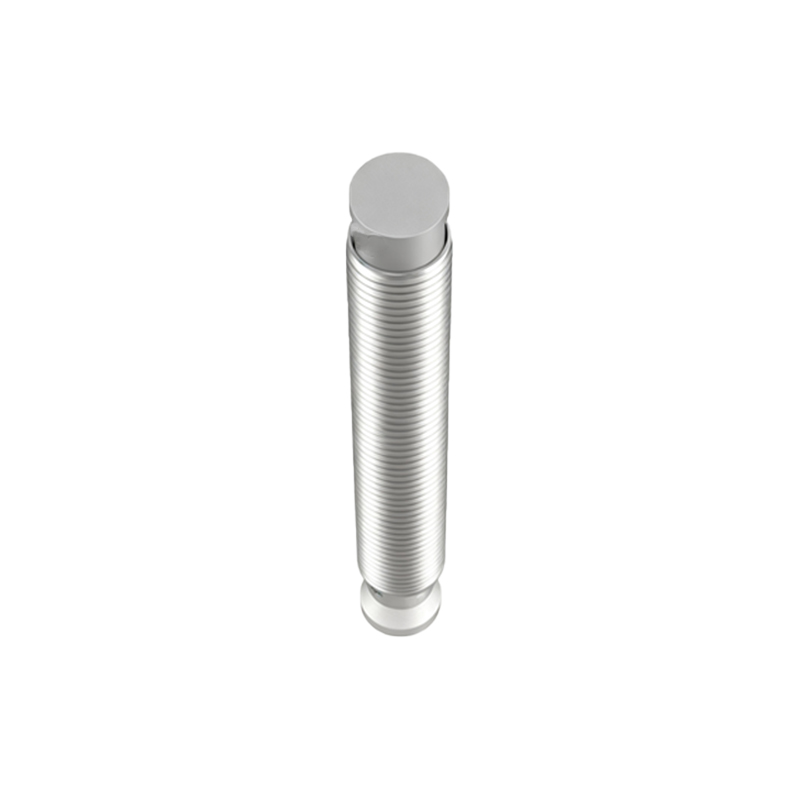
In modern industrial automation, the deployment of large-scale proximity sensing systems is critical for enhancing operational efficiency, safety, and precision. Proximity sensors, which detect the presence or absence of objects without physical contact, rely on sophisticated structural designs to perform reliably in demanding environments. This article delves into the architectural components and configurations that define high-performance proximity sensor systems for extensive industrial networks.
The core of a proximity sensor's structure typically comprises a sensing element, oscillator, signal conditioning circuit, and output stage. For large-scale applications, these components are integrated into modular assemblies that allow for scalability and easy maintenance. Inductive and capacitive sensors are most common, with inductive types using a coil and oscillator to generate an electromagnetic field, detecting metallic objects, while capacitive sensors measure changes in capacitance to identify both metallic and non-metallic materials. The housing material, often stainless steel or rugged polymers, protects internal electronics from dust, moisture, and mechanical impacts, ensuring durability in harsh settings like manufacturing floors or outdoor installations.
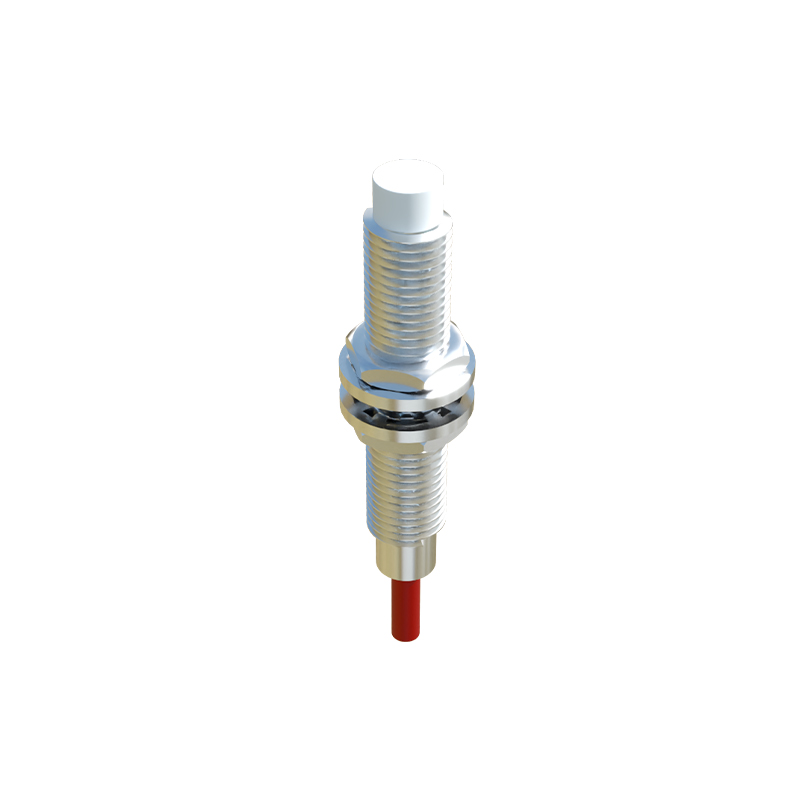
A key aspect of large-scale architecture is the sensor array configuration. Instead of relying on single-point detection, systems employ grids or networks of sensors connected via industrial communication protocols such as IO-Link, PROFINET, or EtherCAT. This enables centralized monitoring and data acquisition, facilitating real-time adjustments in automated processes. The structural design must account for minimal interference between adjacent sensors, achieved through shielding techniques and precise frequency tuning. Additionally, mounting mechanisms—including flush, non-flush, and adjustable brackets—allow for flexible installation to suit varied operational geometries, from conveyor belts to robotic arms.
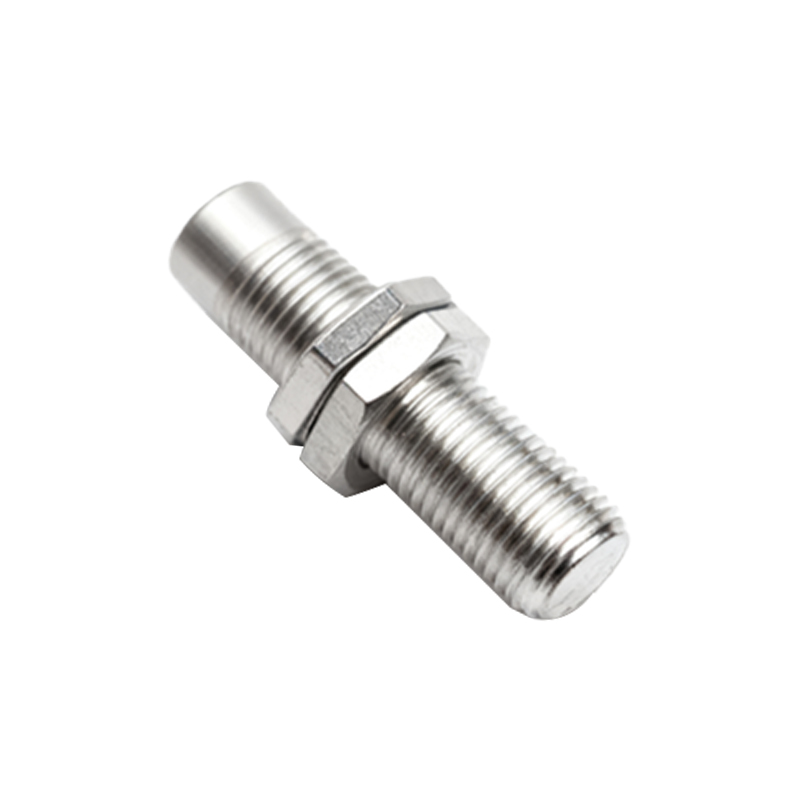
Power management and wiring infrastructure are integral to the sensor structure. In expansive setups, loop-powered or bus-powered systems reduce cabling complexity and cost. Sensors with embedded diagnostics and self-monitoring features contribute to predictive maintenance, minimizing downtime. The trend toward miniaturization has led to compact sensor designs without compromising range or sensitivity, enabling dense deployments in space-constrained areas.
Environmental adaptability is another structural consideration. Sensors rated for high temperatures, corrosive atmospheres, or explosive zones (e.g., ATEX-certified) incorporate specialized seals and coatings. The use of M12 or M8 connectors standardizes connections, promoting interoperability across different machinery brands. Furthermore, advanced models integrate wireless capabilities, reducing physical infrastructure needs and enabling easier reconfiguration in dynamic production lines.
In summary, the architecture of large-scale proximity sensor systems hinges on robust component integration, scalable networking, and environmental resilience. By optimizing structural elements—from sensing technology to communication interfaces—industries can achieve seamless automation, improved safety protocols, and enhanced data-driven decision-making. As Industry 4.0 evolves, innovations in sensor materials and smart connectivity will continue to refine these architectures, pushing the boundaries of industrial efficiency.