Micro proximity sensors are essential components in modern automation and control systems, offering non-contact detection of objects with high precision and reliability. Their compact structure enables integration into space-constrained applications, such as robotics, automotive assemblies, and consumer electronics. The core design typically comprises four key elements: a sensing element, oscillator circuit, signal processing unit, and output stage.
The sensing element, often based on inductive, capacitive, or photoelectric principles, detects the presence or absence of a target object. Inductive sensors, for instance, generate an electromagnetic field using a coil wound around a ferrite core. When a metallic object enters this field, eddy currents are induced, altering the oscillation amplitude. This change is monitored by the oscillator circuit, which converts it into an electrical signal. Capacitive sensors operate similarly but respond to both conductive and non-conductive materials by measuring changes in capacitance. Photoelectric sensors use infrared or laser beams, with variations in reflected light indicating object proximity.
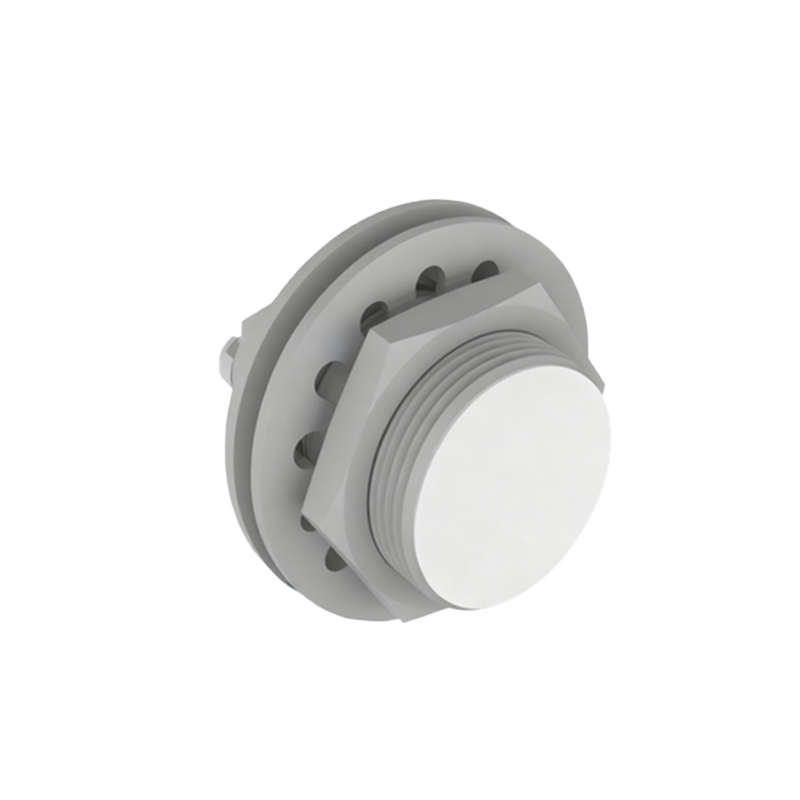
The oscillator circuit serves as the heart of the sensor, maintaining a stable frequency. In inductive designs, it typically includes a resonant LC tank circuit. Any disturbance from a target object dampens the oscillations, triggering a detection event. Advanced micro-sensors incorporate temperature compensation circuits to minimize drift, ensuring consistent performance across industrial environments.
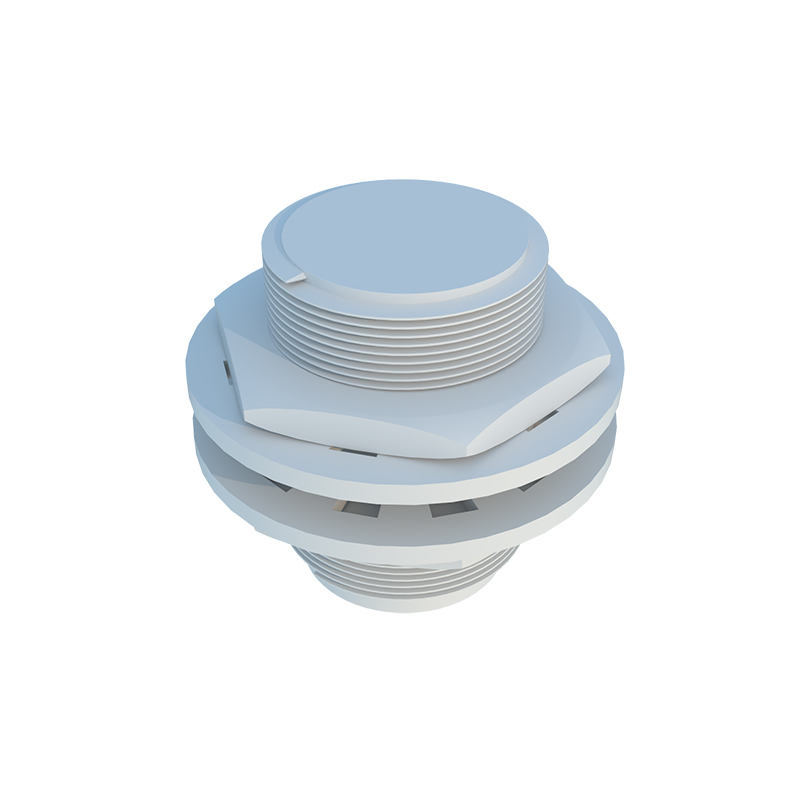
Signal processing is handled by an integrated circuit (IC) or microcontroller, which filters noise, amplifies weak signals, and applies hysteresis to prevent false triggering. This unit often includes analog-to-digital converters (ADCs) for precise threshold adjustments. Modern designs leverage digital signal processing (DSP) algorithms to enhance sensitivity and response times, allowing detection ranges from a few millimeters to several centimeters.
The output stage interfaces with external systems, providing switch signals (e.g., NPN/PNP transistors) or analog outputs (e.g., 4-20 mA, 0-10 V). Encapsulation materials, such as epoxy resins or stainless steel housings, protect internal components from moisture, dust, and mechanical stress. Miniaturization trends have led to surface-mount device (SMD) configurations, reducing footprint while maintaining robust performance.
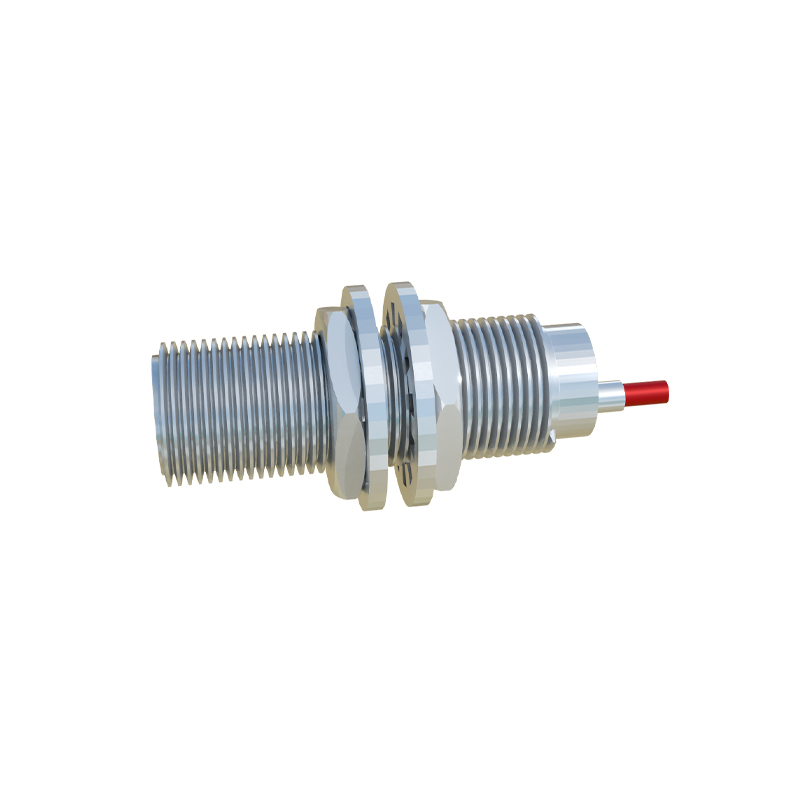
In practice, structural considerations include shielding against electromagnetic interference (EMI), thermal management for high-duty cycles, and alignment features for easy installation. Engineers must balance size, detection range, and power consumption—typically below 100 mA at 12-24 V DC. Innovations like MEMS (Micro-Electro-Mechanical Systems) technology are pushing boundaries, enabling sub-millimeter sensors with embedded intelligence for Industry 4.0 applications.
Overall, the architecture of micro proximity sensors reflects a synergy of electrical engineering and material science, driving efficiency in automated systems. As industries demand smarter, smaller solutions, ongoing R&D focuses on enhancing durability, energy efficiency, and multi-functional capabilities.