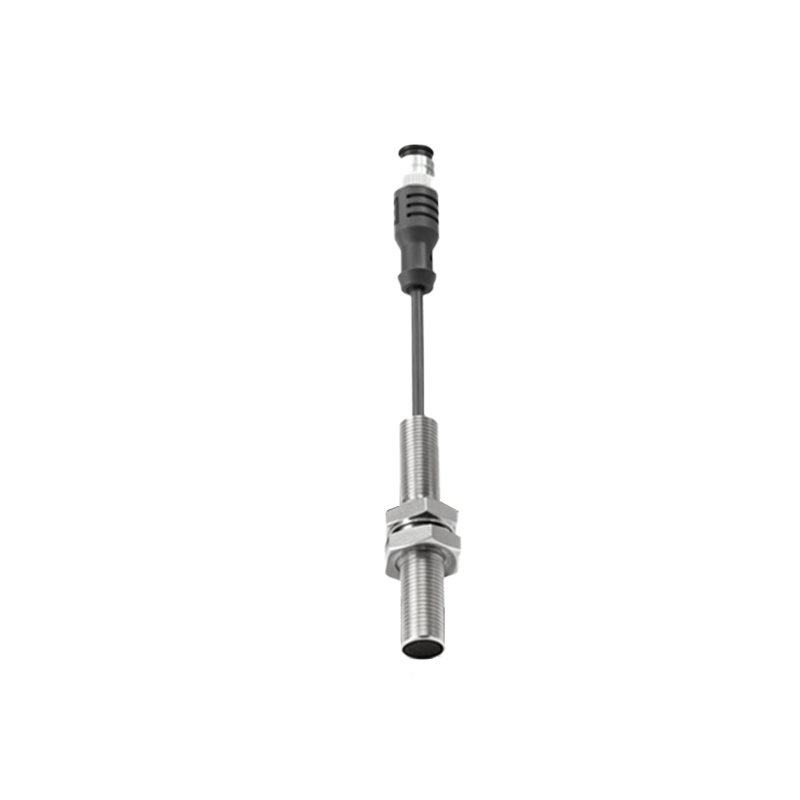
Proximity sensors are critical components in modern industrial automation, enabling non-contact detection of objects within a specified range. Their structural composition varies based on the underlying technology, but generally includes several key elements that ensure reliable operation. The core of a proximity sensor typically consists of a sensing element, oscillator, signal processing circuit, and output stage.
The sensing element is the primary component responsible for detecting the presence of an object. In inductive proximity sensors, this element is a coil wound around a ferrite core, which generates an electromagnetic field when energized. Capacitive sensors, on the other hand, utilize electrode plates that create an electrostatic field. The oscillator generates a high-frequency signal that drives the sensing element, maintaining a stable electromagnetic or electrostatic field. When a target object enters this field, it causes a change in the oscillation amplitude or frequency, depending on the sensor type.
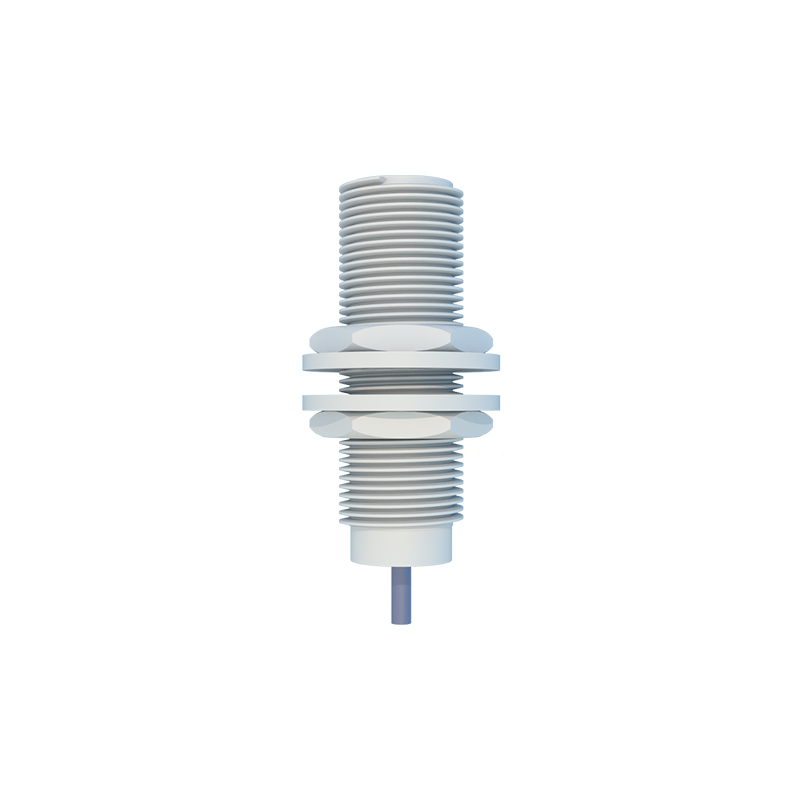
Signal processing circuits play a vital role in interpreting these changes. They include amplifiers, comparators, and threshold detectors that convert subtle variations in the oscillator's output into a usable electrical signal. For instance, in an inductive sensor, the presence of a metallic object induces eddy currents, damping the oscillation. The signal processor detects this damping and triggers the output stage. The output stage typically comprises a solid-state switch, such as a transistor or triac, which interfaces with control systems like PLCs or relays. Some advanced models also incorporate diagnostic LEDs, housing materials resistant to environmental factors, and adjustable sensing ranges via potentiometers.
Housing design is another crucial aspect, often constructed from materials like nickel-plated brass, stainless steel, or PBT plastic to withstand harsh industrial environments. The shape and size of the housing influence the sensor's sensing range and mounting options. For example, cylindrical housings are common for inductive sensors, while rectangular designs suit capacitive variants. Additionally, embedded protection circuits guard against overvoltage, reverse polarity, and short circuits, enhancing durability.
Understanding the structural composition of proximity sensors aids in selecting the right type for specific applications, such as position sensing in machinery, object counting in conveyor systems, or liquid level detection. Each component's integration ensures precise, maintenance-free operation, contributing to efficient automation processes. As technology evolves, innovations like miniaturization and IoT connectivity are expanding their structural complexity, yet the fundamental principles remain rooted in robust electrical engineering design.