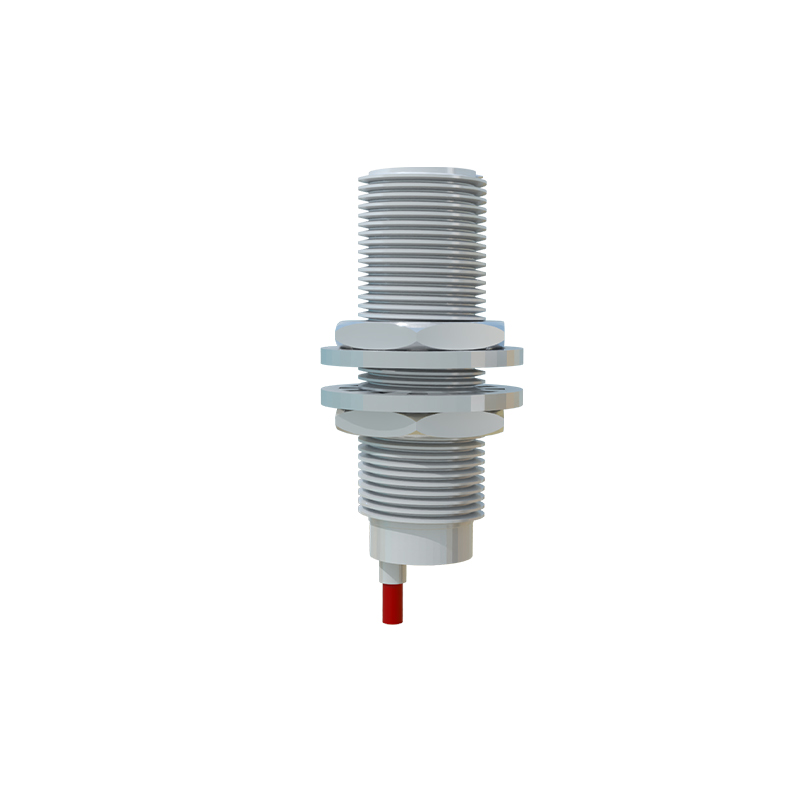
Proximity sensors are essential components in modern industrial automation, designed to detect the presence or absence of objects without physical contact. These devices operate based on various principles, each suited to specific applications and environmental conditions. The primary types of proximity sensors include inductive, capacitive, ultrasonic, and magnetic sensors, each offering unique advantages in terms of detection range, material compatibility, and reliability.
Inductive proximity sensors are widely used in manufacturing environments for detecting metallic objects. They generate an electromagnetic field and respond to changes caused by ferrous or non-ferrous metals entering the detection zone. Typically, these sensors have a limited range, up to 60 millimeters, but provide high precision and durability in harsh conditions, such as those with dust, oil, or vibrations. Common applications include position sensing in conveyor systems, machine tool monitoring, and robotic assembly lines.
Capacitive proximity sensors can detect both metallic and non-metallic materials, including liquids, plastics, and wood. By measuring changes in capacitance when an object enters the electrical field, these sensors are versatile for level detection, material handling, and packaging industries. They are effective in environments where inductive sensors might fail, such as detecting glass bottles or liquid levels in tanks, with ranges extending up to 25 millimeters.
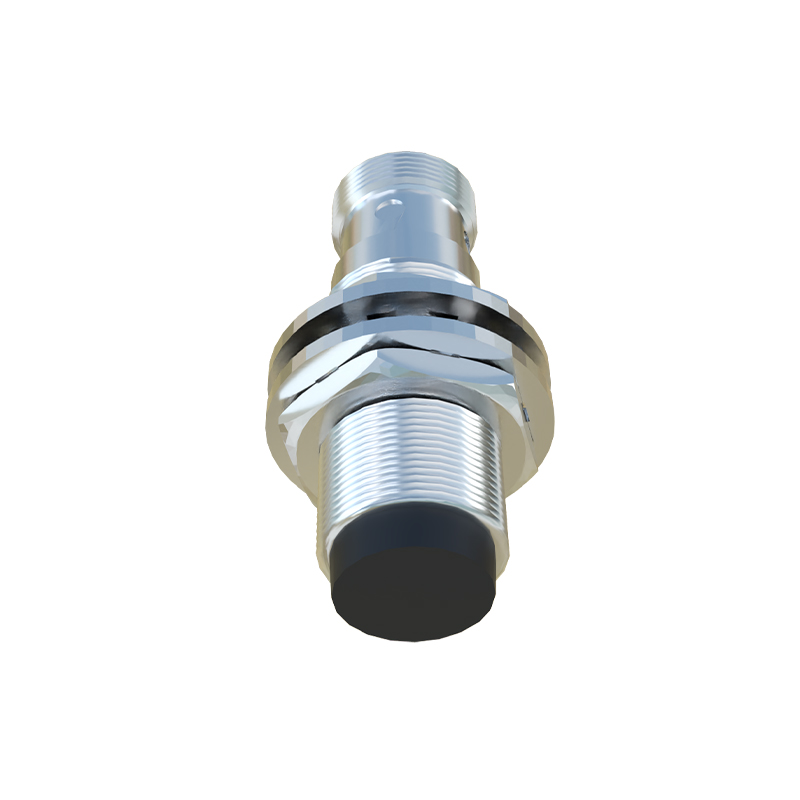
Ultrasonic proximity sensors use sound waves to detect objects, making them suitable for a wide range of materials and challenging conditions, like transparent or irregularly shaped items. They operate by emitting high-frequency sound pulses and measuring the time taken for echoes to return. With detection ranges from a few centimeters to several meters, these sensors are ideal for distance measurement, object counting, and collision avoidance in automated guided vehicles (AGVs) or storage systems.
Magnetic proximity sensors, including reed switches and Hall effect sensors, detect magnetic fields, often from permanent magnets attached to moving parts. They are highly reliable in low-power applications and extreme temperatures, commonly used in safety systems, door position sensing, and automotive engineering. Their sealed design makes them resistant to moisture and contaminants.
When selecting a proximity sensor, factors such as detection distance, environmental conditions, response time, and cost must be considered. Advances in technology have led to smart sensors with integrated diagnostics and connectivity features, enhancing efficiency in Industry 4.0 setups. Overall, proximity sensors play a critical role in improving automation safety, accuracy, and productivity across diverse sectors.