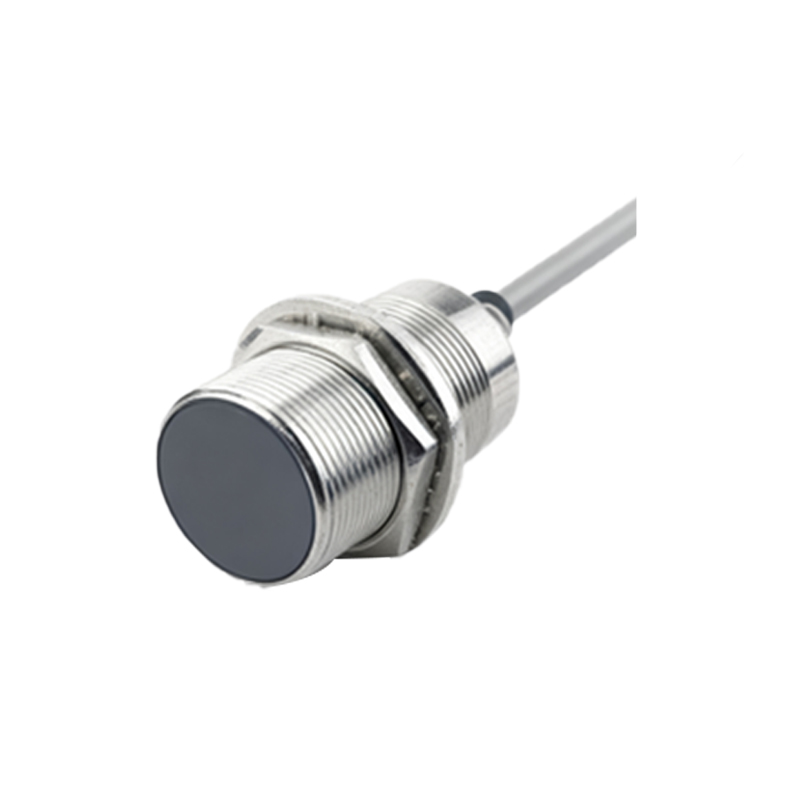
In the realm of industrial automation and electrical engineering, proximity and distance sensors are indispensable components that enable precise detection, measurement, and control without physical contact. These sensors play a critical role in enhancing efficiency, safety, and reliability across various applications, from manufacturing lines to robotics and automotive systems. This article explores the diverse types of proximity and distance sensors, their working principles, and their significance in modern industry.
Proximity sensors are designed to detect the presence or absence of an object within a specified range, typically without direct contact. They are categorized based on their sensing technology. Inductive proximity sensors, for instance, are widely used in metal detection applications. They operate by generating an electromagnetic field; when a metallic object enters this field, it induces eddy currents, causing a change in the sensor's oscillation amplitude. This change triggers an output signal, making inductive sensors ideal for harsh environments where dust, oil, or moisture is present. Common applications include position sensing in machinery, conveyor belt systems, and automotive assembly lines.
Capacitive proximity sensors, on the other hand, can detect both metallic and non-metallic objects, such as plastics, liquids, or granular materials. They function by measuring changes in capacitance between the sensor and the target object. When an object approaches the sensor's electrostatic field, the capacitance increases, leading to a detection signal. These sensors are valuable in industries like food processing, packaging, and material handling, where versatility is required. For example, they can monitor fluid levels in tanks or detect the presence of containers on a production line.
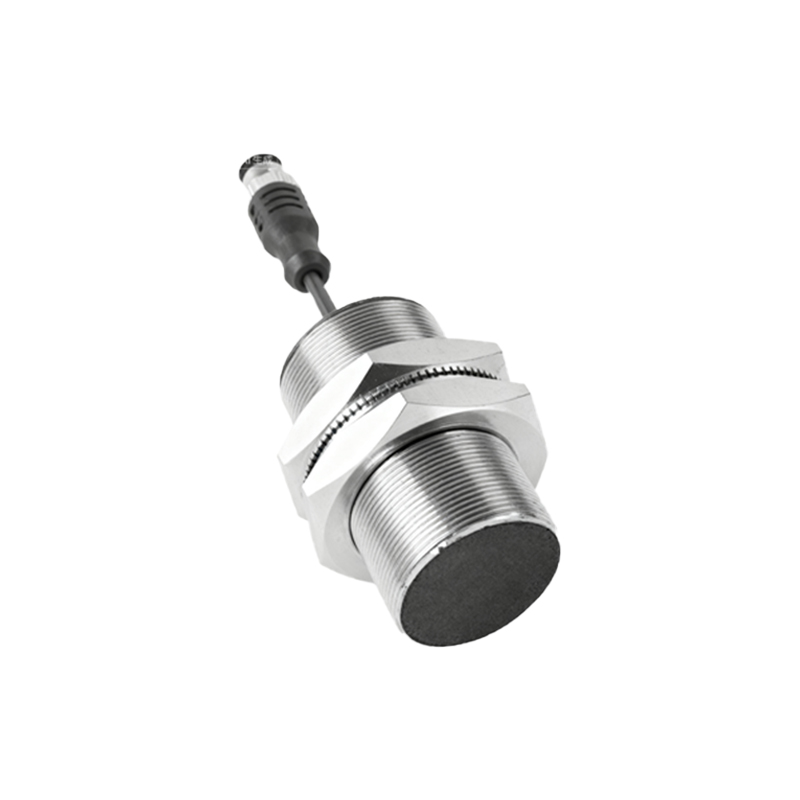
Magnetic proximity sensors utilize reed switches or Hall effect elements to detect magnetic fields, often from permanent magnets attached to moving parts. They are highly reliable and immune to environmental factors like dirt or vibration, making them suitable for applications in automotive systems (e.g., sensing gear position) and safety interlocks in machinery.
Distance sensors, also known as range sensors, go beyond mere presence detection by measuring the exact distance to an object. Ultrasonic sensors are a popular type, emitting high-frequency sound waves and calculating distance based on the time taken for the echo to return. They are effective for measuring distances up to several meters and can work in challenging conditions, such as detecting objects in dark or dusty environments. In industrial settings, ultrasonic sensors are used for level monitoring in silos, collision avoidance in automated guided vehicles (AGVs), and robotics for object positioning.
Laser distance sensors, or LiDAR (Light Detection and Ranging), offer high precision and speed by using laser beams to measure distance through triangulation or time-of-flight methods. They are essential in applications requiring accurate measurements, such as quality control in manufacturing (e.g., verifying component dimensions), warehouse automation for inventory management, and autonomous vehicles for obstacle detection. Their ability to provide detailed 3D mapping makes them a cornerstone in advanced robotics and smart infrastructure.
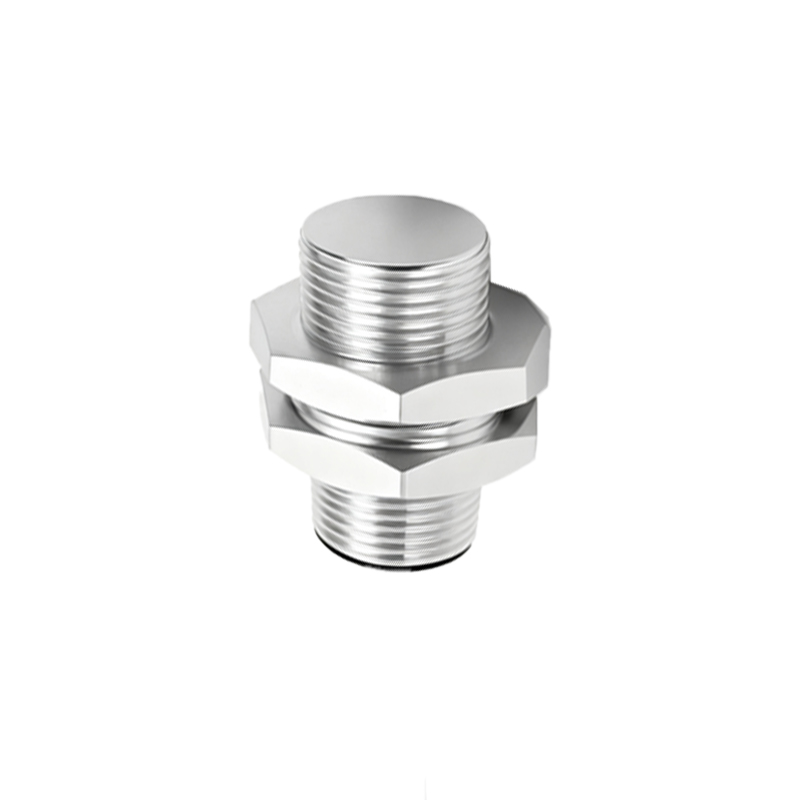
Photoelectric sensors, which include through-beam, retro-reflective, and diffuse types, use light beams to detect objects or measure distance. Through-beam sensors consist of separate emitter and receiver units, offering long-range detection, while diffuse sensors rely on light reflected from the target. They are versatile and widely used in packaging, printing, and electronics assembly for tasks like counting products or ensuring proper alignment.
In summary, the selection of proximity and distance sensors depends on factors such as the target material, environmental conditions, required range, and accuracy. Inductive and capacitive sensors excel in proximity detection for specific materials, while ultrasonic and laser sensors provide precise distance measurements for dynamic applications. As Industry 4.0 and the Internet of Things (IoT) evolve, these sensors are increasingly integrated with smart systems for real-time data analytics and predictive maintenance, driving innovation in automation. Engineers must consider operational parameters—like response time, temperature tolerance, and output signals (e.g., analog or digital)—to optimize sensor performance. With ongoing advancements in miniaturization and connectivity, proximity and distance sensors continue to shape the future of industrial efficiency, enabling smarter, safer, and more responsive operations worldwide.