In the rapidly evolving landscape of urban infrastructure, sanitation vehicles play a critical role in maintaining public health and environmental cleanliness. Among the myriad of technologies integrated into these modern fleets, proximity sensors stand out as a pivotal innovation, significantly enhancing operational safety and efficiency. These sensors, typically utilizing ultrasonic, infrared, or electromagnetic principles, are designed to detect the presence of objects or personnel in the immediate vicinity of the vehicle, thereby preventing collisions and streamlining waste collection processes.
The operational environment for sanitation vehicles is often challenging, involving narrow alleyways, crowded streets, and low-visibility conditions during early morning or night shifts. Proximity sensors address these hazards by providing real-time feedback to the operator. For instance, ultrasonic sensors emit high-frequency sound waves that bounce off nearby objects, calculating distance based on the time taken for the echo to return. This data is relayed to an in-cab display or auditory alarm system, alerting the driver to potential obstacles, such as pedestrians, parked cars, or street furniture, that might be in blind spots. This is particularly crucial during reversing maneuvers or when operating compactors, where the risk of accidental impact is heightened.
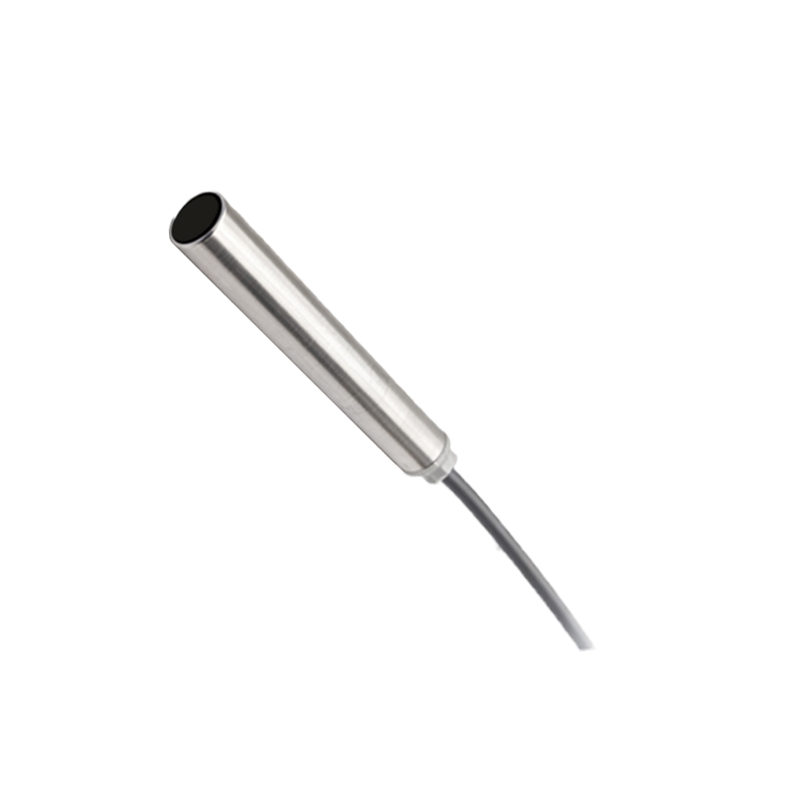
Beyond collision avoidance, these sensors contribute to operational precision. During automated bin lifting and emptying sequences, proximity sensors ensure proper alignment between the vehicle's mechanical arms and waste containers. This minimizes spillage, reduces mechanical wear, and accelerates the collection cycle. In advanced systems, sensor data can be integrated with fleet management software, enabling route optimization and predictive maintenance alerts based on operational patterns and obstacle frequency in specific zones.
The selection of sensor technology depends on specific vehicle functions and environmental factors. Electromagnetic sensors are robust against dirt and moisture—common in waste management—making them suitable for detecting metallic objects. Infrared sensors offer precise short-range detection but may be affected by direct sunlight or heavy rain. Ultrasonic sensors provide a reliable balance for general obstacle detection. Regular calibration and maintenance are essential to ensure sensor accuracy, as buildup of grime or physical damage can impair performance.
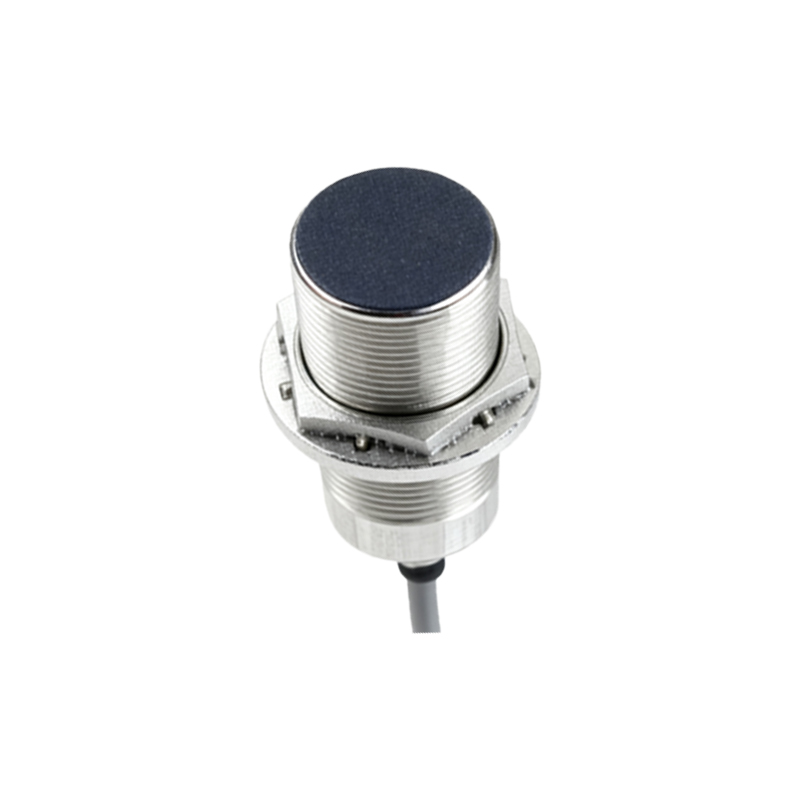
From an industry perspective, the integration of proximity sensors aligns with broader trends toward automation and smart city initiatives. Municipalities and private waste management companies are increasingly investing in sensor-equipped fleets to reduce liability costs associated with accidents, lower insurance premiums, and enhance community safety perceptions. Furthermore, the data collected by these sensors can inform urban planning, identifying areas where infrastructure adjustments could improve waste collection efficiency.
In conclusion, proximity sensors represent a fundamental technological upgrade for sanitation vehicles, transforming them from mere collection tools into intelligent components of urban ecosystems. By mitigating risks and optimizing workflows, they not only protect assets and personnel but also contribute to more sustainable and responsive waste management services. As sensor technology continues to advance, with developments in machine learning and IoT connectivity, future iterations will likely offer even greater autonomy and analytical capabilities, further revolutionizing this essential public service sector.