In the dynamic landscape of industrial automation and machinery, proximity sensors stand as silent sentinels, playing a crucial role far beyond simple detection. While their primary function is to sense the presence or absence of an object without physical contact, a core and often underappreciated aspect of their duty is protection. This protective function is multi-layered, safeguarding equipment, processes, and personnel, thereby ensuring operational continuity, efficiency, and safety.
At the most fundamental level, proximity sensors protect machinery and equipment from damage. Consider a high-speed conveyor system in a packaging plant. Inductive or capacitive proximity sensors are strategically placed to monitor the position of components, pallets, or products. If a jam occurs or an object deviates from its intended path, the sensor detects the anomaly and sends an immediate signal to the programmable logic controller (PLC). The PLC can then halt the motor or activate a diverter, preventing mechanical collisions, overloads, and costly damage to drives, gears, and the product itself. This preemptive action avoids unplanned downtime and expensive repairs, protecting the capital investment in the machinery.
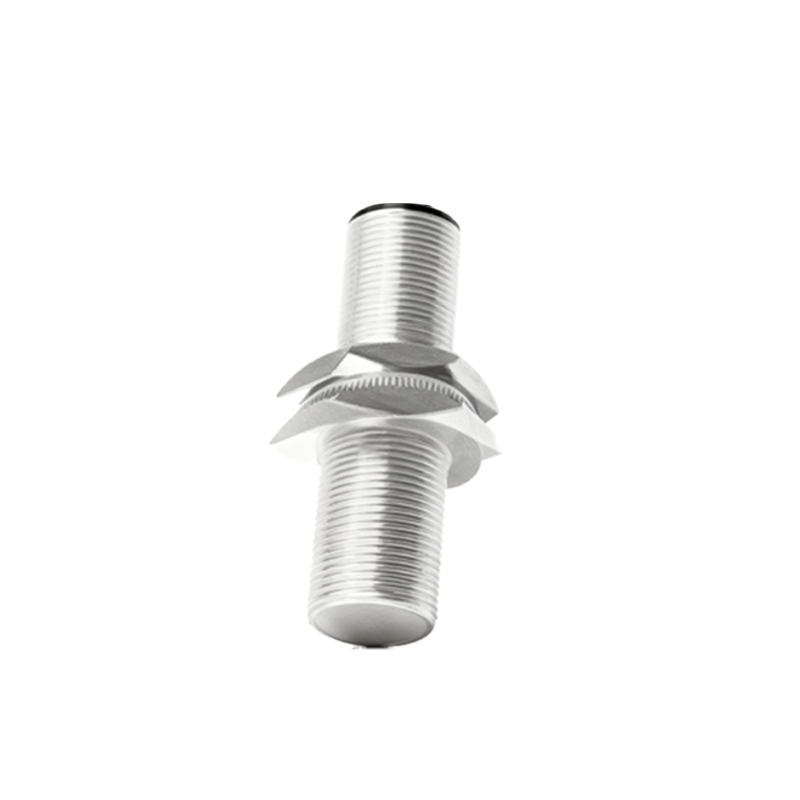
Furthermore, proximity sensors are integral to process protection. In precision manufacturing, such as CNC machining or robotic assembly, the exact positioning of tools and workpieces is paramount. A malfunction or drift can lead to defective products, material waste, and process inefficiencies. Here, proximity sensors with high repeatability act as verification points. They confirm the correct position of a robotic arm's end-effector, the closure of a safety door on an injection molding machine, or the presence of a part before a welding cycle begins. By ensuring each step of the process occurs only when conditions are perfect, they protect the integrity of the entire production cycle, maintaining quality standards and yield rates.
Perhaps the most critical protective role is in personnel safety. This is where safety-rated proximity sensors, often designed with redundant circuits and higher integrity levels (e.g., according to IEC 61496 or ISO 13849), come into play. These sensors form the backbone of machine guarding systems. For instance, a system of safety light curtains or laser scanners creates an invisible protective field around a hazardous area like a robotic cell or a press brake. If a worker breaches this field, the safety sensor sends a stop signal to the machine's safety relay, initiating a controlled and immediate halt. Similarly, magnetic safety sensors can monitor the position of guard doors; the machine cannot operate in an unsafe mode if the door is open. This direct intervention protects operators from life-threatening injuries, ensuring compliance with stringent occupational health and safety regulations.
Another layer of protection is for the sensor itself and the system's reliability. Modern proximity sensors are built with robust housings (often IP67 or IP69K rated) to withstand harsh industrial environments—resisting dust, moisture, coolant sprays, and physical impacts. This self-protection ensures long-term reliability. Additionally, features like short-circuit protection, reverse polarity protection, and overload detection in their electronic circuitry shield both the sensor and the connected control system from electrical faults. This robustness minimizes false triggers and system failures, protecting the overall stability of the automation network.
The choice of sensor technology—inductive (for metals), capacitive (for various materials including liquids), ultrasonic, or photoelectric—is dictated by the specific protective need. An inductive sensor might protect a metal stamping press from double-blanking, while a capacitive sensor could protect a storage tank from overfilling by detecting liquid levels.
In conclusion, the role of proximity sensors in industrial settings is profoundly protective. They are not merely switches but intelligent guardians. By providing real-time, non-contact feedback, they create a responsive shield that protects physical assets from damage, manufacturing processes from errors, and, most importantly, human workers from harm. This holistic protective capability makes them indispensable components in building resilient, safe, and efficient automated systems. As Industry 4.0 advances, with increased connectivity and data analytics, the protective functions of these sensors will become even more predictive and integrated, moving from preventing damage to predicting and avoiding potential failures altogether.