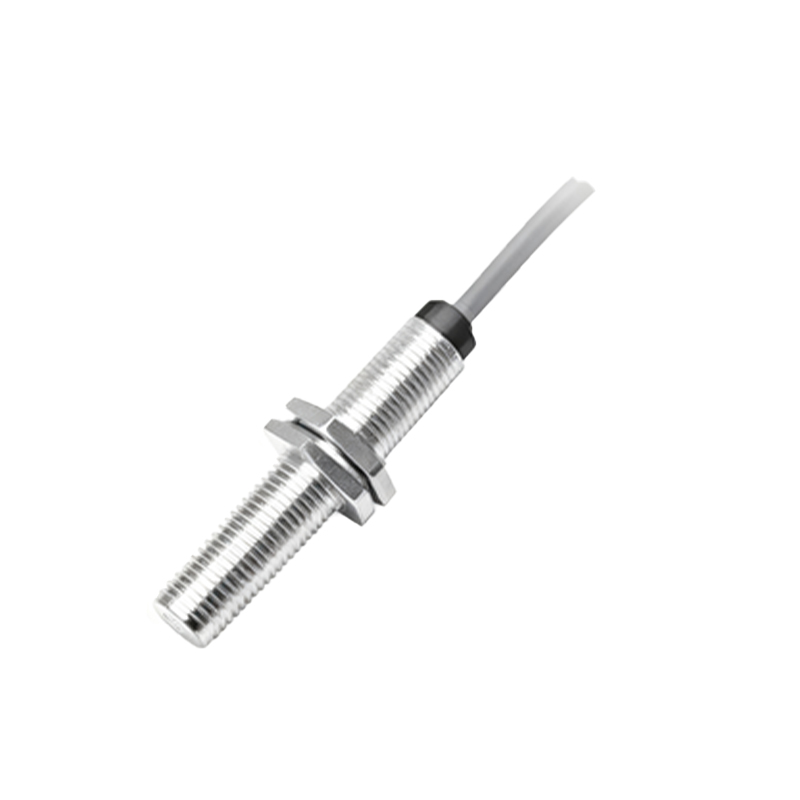
Proximity sensors are indispensable components in modern industrial automation, offering non-contact detection of objects within a specific range. These devices operate on various principles, including inductive, capacitive, ultrasonic, and photoelectric technologies, each suited to distinct environmental conditions and target materials. Inductive proximity sensors, for instance, detect metallic objects by generating an electromagnetic field, making them ideal for harsh manufacturing environments where dirt, oil, or moisture may interfere with mechanical switches. Capacitive sensors can detect both metallic and non-metallic materials, such as liquids or plastics, by measuring changes in capacitance, thus expanding their utility in packaging, food processing, and material handling applications.
The selection of a proximity switch depends on factors like sensing distance, response time, environmental robustness, and output type. For example, in high-speed assembly lines, sensors with fast response times (often in milliseconds) ensure precise timing and positioning, reducing downtime and improving throughput. Additionally, many modern proximity sensors feature programmable logic and diagnostic capabilities, integrating seamlessly with PLCs (Programmable Logic Controllers) and industrial networks like IO-Link or Ethernet/IP. This connectivity enables real-time monitoring and predictive maintenance, alerting operators to potential failures before they disrupt production.
In practice, proximity switches are deployed across diverse sectors. Automotive manufacturing relies on them for robotic welding and part verification, while the pharmaceutical industry uses them to ensure sterile packaging integrity. Ultrasonic sensors, which emit sound waves to detect objects, excel in applications involving transparent or irregularly shaped items, such as glass bottles on conveyor belts. Photoelectric sensors, utilizing light beams, are preferred for long-range detection and color differentiation, commonly seen in logistics sorting systems.
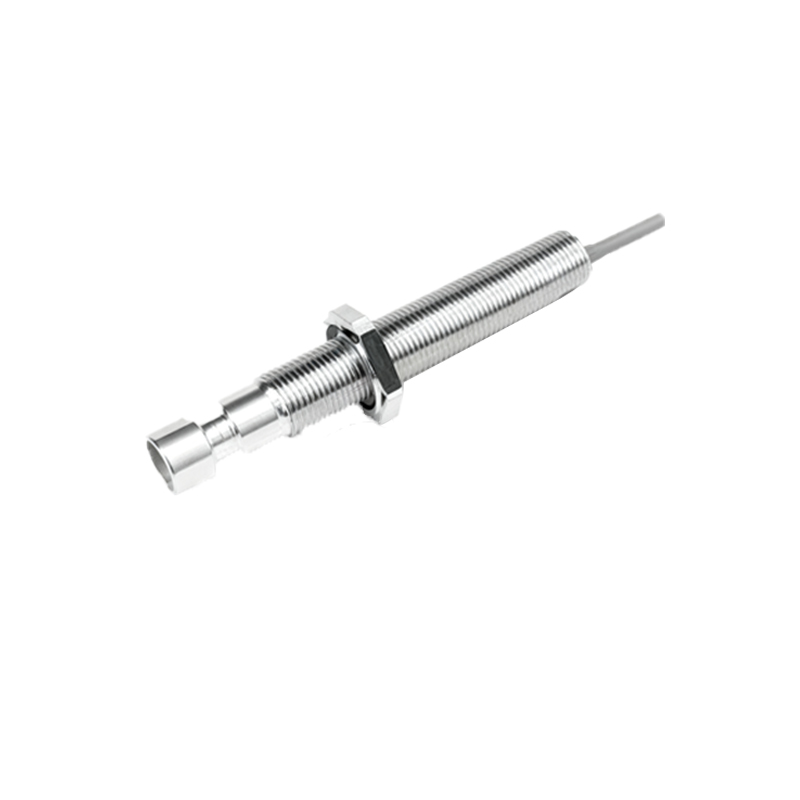
Despite their robustness, proper installation and calibration are critical to performance. Factors like temperature fluctuations, electromagnetic interference, or target material composition can affect accuracy. Engineers must consider mounting orientation, shielding, and environmental ratings (e.g., IP67 for dust and water resistance) to ensure reliability. Regular testing with calibrated targets helps maintain sensor efficacy over time.
As Industry 4.0 advances, proximity sensors are evolving with smarter features, including self-diagnostics and adaptive sensing thresholds. These innovations not only enhance operational efficiency but also contribute to safer workplaces by replacing manual inspections in hazardous areas. By understanding the technical nuances and application-specific requirements, engineers can leverage proximity sensors to optimize automation systems, reduce waste, and drive innovation in industrial processes.