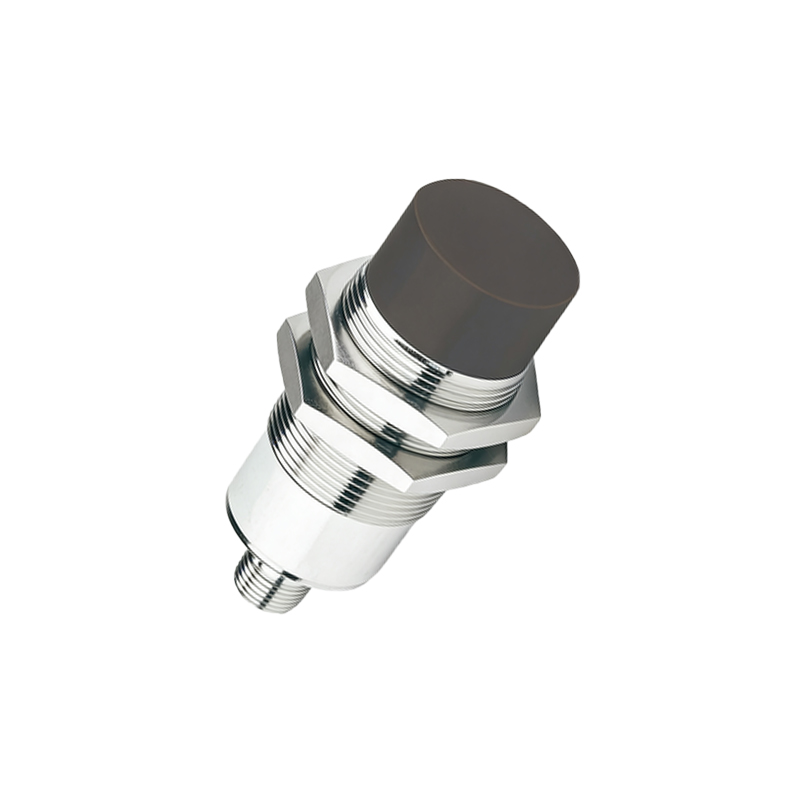
In the rapidly evolving landscape of industrial automation, the demand for ultra-compact proximity sensors has surged, driven by the need for precision, space efficiency, and enhanced operational flexibility. These sensors, often no larger than a coin, play a critical role in detecting the presence or absence of objects without physical contact, making them indispensable in applications ranging from robotic assembly lines to medical devices and consumer electronics. As an electrical engineer with years of experience in sensor integration, I’ve observed that selecting the right supplier for these components is not merely about procurement—it’s about ensuring system reliability, longevity, and performance under stringent conditions.
The supply chain for ultra-compact proximity sensors involves a complex interplay of technological innovation, manufacturing capabilities, and market dynamics. Leading suppliers typically offer variants based on inductive, capacitive, or magnetic principles, each suited to specific environmental and material challenges. For instance, inductive sensors excel in metal detection within harsh industrial settings, while capacitive types are ideal for non-metallic substances in cleanrooms. When evaluating suppliers, engineers must prioritize factors such as sensing range, response time, and environmental ratings (e.g., IP67 for dust and water resistance). A common pitfall is overlooking the sensor’s compatibility with existing control systems, which can lead to integration headaches and costly downtime.
From a technical standpoint, the miniaturization of these sensors presents both opportunities and challenges. Advances in micro-electromechanical systems (MEMS) and semiconductor fabrication have enabled smaller footprints without sacrificing sensitivity. However, reduced size can impact durability and heat dissipation, necessitating rigorous testing for shock, vibration, and temperature extremes. Reputable suppliers address this by providing detailed datasheets with lifecycle ratings and failure mode analyses. In my projects, I’ve found that collaborating with suppliers who offer application engineering support—such as custom calibration or housing designs—can significantly streamline deployment in tight spaces like PCB enclosures or mobile machinery.
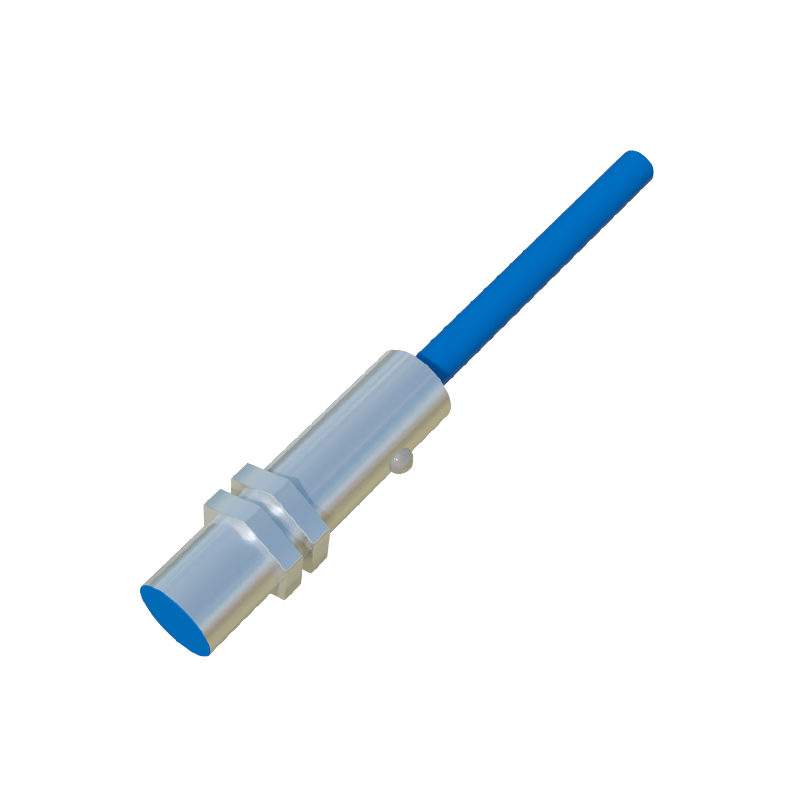
Market trends indicate a growing emphasis on smart sensors with integrated IoT capabilities, allowing for real-time data monitoring and predictive maintenance. Suppliers at the forefront are incorporating features like IO-Link communication or analog outputs, enabling seamless connectivity with Industry 4.0 frameworks. Yet, this innovation must be balanced with cost-effectiveness, especially for high-volume deployments. Engineers should assess total cost of ownership, including installation, maintenance, and potential scalability, rather than focusing solely on unit price. Geopolitical factors, such as trade policies or raw material shortages, also influence supply stability, making diversification of sources a prudent strategy.
In practice, successful integration hinges on a holistic approach. Begin by defining operational parameters: What is the target material? What are the space constraints? What environmental hazards exist? Then, vet suppliers through sample testing, referencing industry certifications like CE or UL, and reviewing case studies from similar applications. For example, in automotive manufacturing, ultra-compact sensors monitor component positioning on fast-moving conveyors, where millisecond delays can disrupt production. Here, suppliers with proven track records in automotive-grade components are preferable due to their adherence to stringent quality standards.
Ultimately, the supply of ultra-compact proximity sensors is more than a transactional exchange—it’s a partnership that underpins system integrity. By prioritizing technical rigor, supplier reliability, and forward-compatibility, engineers can harness these tiny yet powerful devices to drive efficiency and innovation across diverse industries. As technology continues to shrink in size but expand in capability, the role of discerning procurement will only grow in importance, ensuring that every sensor placed contributes to a robust, responsive automation ecosystem.