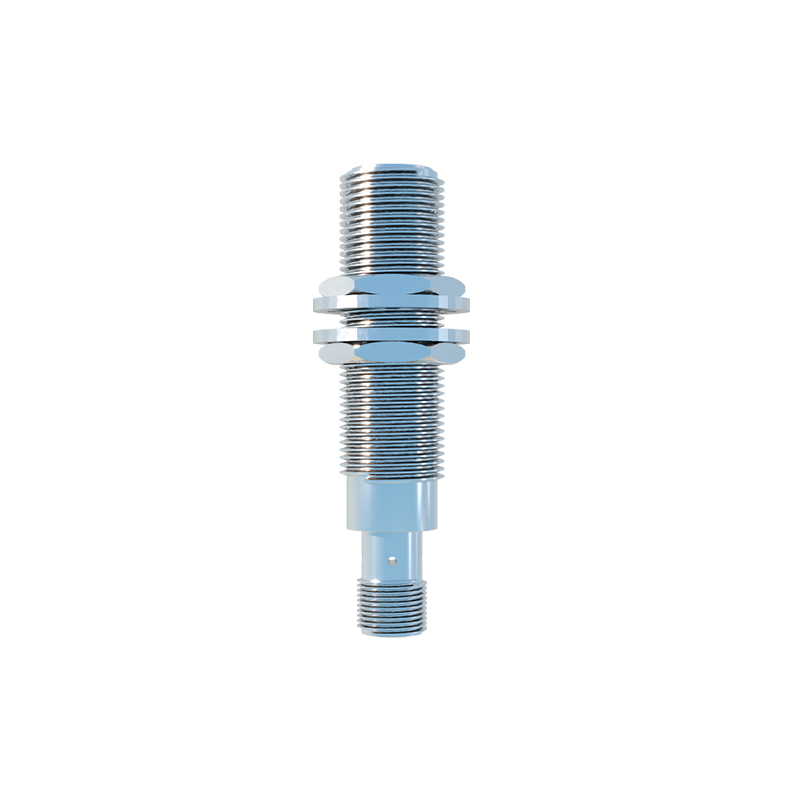
In the realm of industrial automation, ring proximity sensors have emerged as a critical component for precise detection and control applications. These sensors, characterized by their annular or ring-shaped design, are engineered to detect the presence or absence of objects without physical contact, making them ideal for high-speed and harsh environments. Unlike standard proximity sensors, the ring configuration allows objects to pass through the center, enabling seamless integration into production lines for tasks such as counting, sorting, and positioning of items like bottles, caps, or electronic components.
The operational principle of ring proximity sensors is typically based on inductive or capacitive sensing technologies. Inductive ring sensors generate an electromagnetic field around the inner circumference, detecting metallic objects as they disrupt the field, while capacitive variants sense changes in capacitance caused by non-metallic materials. This versatility ensures adaptability across diverse industries, from automotive manufacturing to food processing. Key advantages include high reliability, minimal maintenance due to non-contact operation, and immunity to environmental factors like dust, moisture, or vibration. For instance, in packaging systems, ring sensors can accurately monitor product flow, triggering actuators to divert defective items, thereby enhancing efficiency and reducing waste.
When selecting a ring proximity sensor, engineers must consider factors such as sensing range, response time, and material compatibility. Modern advancements have led to the development of smart sensors with integrated diagnostics and connectivity features, allowing for real-time monitoring via industrial networks like IO-Link or Ethernet/IP. Installation and alignment are crucial for optimal performance; misalignment can lead to false readings or reduced sensitivity. Best practices involve calibrating the sensor based on the target object's size and material, and ensuring proper shielding to avoid electromagnetic interference from nearby machinery.
In summary, ring proximity sensors play a pivotal role in automating complex processes, offering a blend of precision, durability, and flexibility. As industries evolve toward Industry 4.0, these sensors are increasingly integrated into IoT frameworks, enabling predictive maintenance and data-driven optimization. For professionals in electrical and automation engineering, mastering the application of ring proximity sensors is essential for designing robust and efficient systems that meet the demands of modern manufacturing.