Plug-in proximity switch sensors represent a critical advancement in industrial automation, offering enhanced flexibility, reliability, and ease of maintenance. These sensors operate on non-contact principles, typically using electromagnetic fields, infrared light, or ultrasonic waves to detect the presence or absence of objects within a specified range. Their plug-in design allows for quick installation and replacement without extensive wiring or downtime, making them ideal for dynamic manufacturing environments.
In industrial settings, plug-in proximity sensors are widely employed in material handling, packaging, assembly lines, and robotic systems. They excel in detecting metallic and non-metallic objects, with variants such as inductive sensors for metals and capacitive sensors for materials like plastics or liquids. The plug-in feature often includes standardized connectors that simplify integration with control systems like PLCs (Programmable Logic Controllers), reducing installation time and minimizing errors. Key specifications to consider include sensing distance, response time, output type (e.g., NPN or PNP), and environmental ratings like IP67 for dust and water resistance.
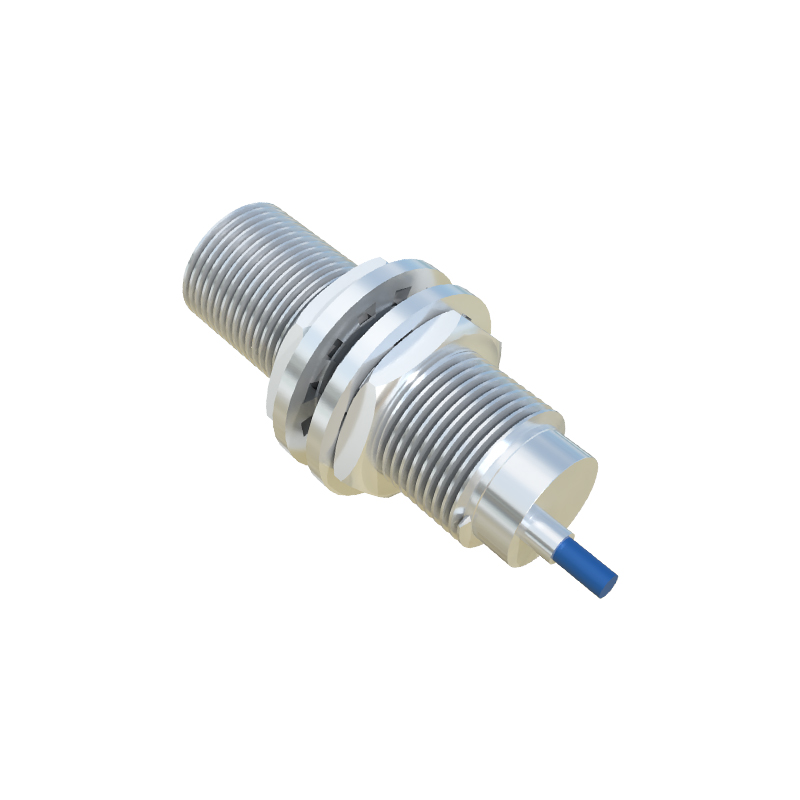
The benefits of using plug-in proximity sensors extend beyond convenience. They enhance system uptime by enabling rapid troubleshooting and replacement, which is crucial in high-volume production lines. For instance, in automotive manufacturing, these sensors monitor part positioning and conveyor belt movements, ensuring precision and safety. Additionally, their modular design supports scalability, allowing engineers to adapt sensor networks as production needs evolve. Maintenance teams appreciate the reduced need for specialized tools, as most plug-in units can be swapped out in minutes.
However, selecting the right plug-in proximity sensor requires careful analysis. Factors such as target material, operating temperature, and electrical interference must be evaluated to avoid false triggers or reduced lifespan. For harsh environments, models with robust housings and shielded cables are recommended. It is also essential to follow manufacturer guidelines for alignment and mounting, as improper installation can affect performance.
In summary, plug-in proximity switch sensors are indispensable tools in modern industry, blending technological sophistication with practical usability. Their ability to streamline operations and support automation trends underscores their value in achieving efficient, cost-effective production processes. As industries move toward smarter factories, these sensors will continue to evolve, incorporating features like IoT connectivity for real-time monitoring and diagnostics.