Forget the pristine data sheets. After two decades of deploying smoke laser sensors in everything from semiconductor fabs to offshore platforms, I’ve learned that their real-world performance is a story of deviations, compromises, and surprising truths. Here’s what the manuals and generic articles won’t tell you.
Experience Corrections: The Theory vs. The Grime
The advertised 0.001 mg/m³ sensitivity for sub-micron particles is a laboratory fantasy in most industrial settings. The primary deviation isn't sensor failure; it's contamination of the optical chamber. In environments with high ambient particulate loads—think a food processing plant with flour dust or a warehouse with diesel exhaust—a fine layer of non-combustion particulates coats the laser window and receiver lens within weeks, not months. This doesn't cause false alarms; it causes a progressive, insidious loss of sensitivity, often by 40-60%. The sensor still reports "normal" via its internal reference check because the reference path is also contaminated. The correction? Aggressive, scheduled maintenance cycles based on ambient PM2.5 levels, not the sensor's own diagnostics. Relying on the standard 12-month service interval is a guaranteed path to undetected smoldering events.
Furthermore, the response time (<10 seconds) assumes ideal laminar airflow into the sampling chamber. In real installations with complex HVAC, dead air pockets are common. We logged a case where a smoldering cable tray in a ceiling plenum took over 4 minutes to trigger a sensor mounted just 3 meters away but outside the primary air return stream. The fix was auxiliary sampling tubes, but that introduces its own problem: condensation, which is a death sentence for laser optics.
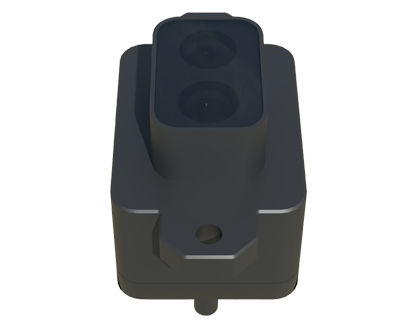
Boundary Conditions: Where This Technology Fails
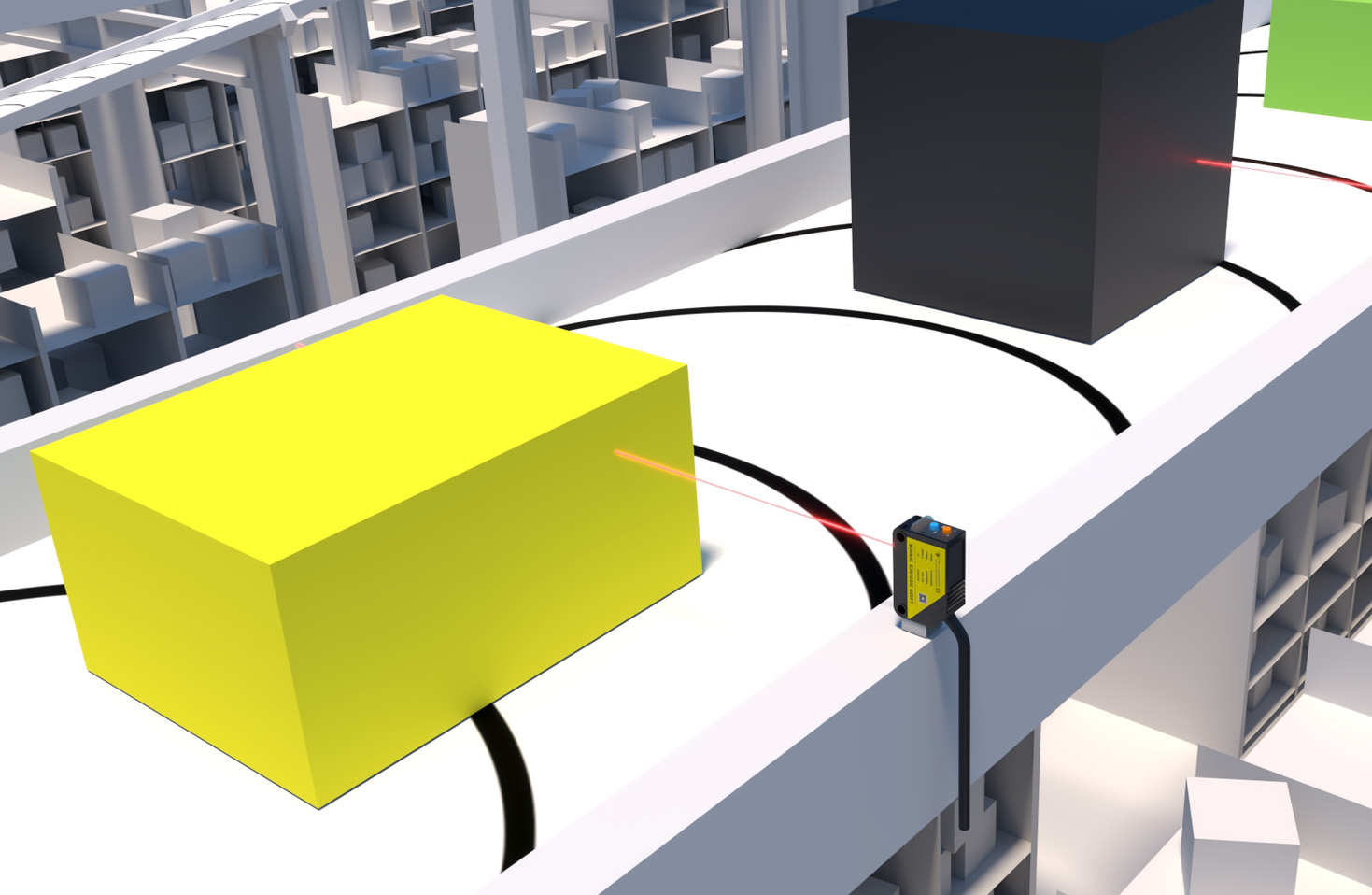
Laser scattering sensors are not universal fire detectors. Deploy them in these scenarios at your peril:
1. High-Velocity Cleanrooms (ISO Class 5 and above): Ironically, the ultra-low particulate environment they protect is their Achilles' heel. The primary detection mechanism relies on a significant *change* in particulate count. A smoldering event in a near-zero baseline environment can be detected, but a fast-developing, clean-burning fire (e.g., from alcohol-based solvents) may produce particles too large for optimal Mie scattering and in concentrations that, while dangerous, are an order of magnitude lower than in a dirtier environment. Here, they can be dangerously slow compared to VESDA or even traditional smoke detectors tuned for larger particulates.
2. Processes Involving Opaque Vapors or Oil Mists: This is a critical, catastrophic failure mode. Dense oil mist or certain polymer fumes (like from hot PVC) can completely obscure the laser beam, not just scatter it. The sensor will interpret total signal loss not as an alarm condition, but as a critical fault, defaulting to a "safe" state (often a fault signal, not an alarm). In a machine shop with CNC mist collectors, we've seen an entire network of sensors go into fault mode during a maintenance interval, creating a perfect blind spot.
3. Extremely High-Humidity (>95% RH) with Cycling Temperatures: Even with claimed condensation resistance, cyclical condensation will form inside the chamber. Once water droplets adhere, they act as miniature lenses, scattering light erratically and causing either persistent nuisance alarms or, worse, signal saturation that masks real smoke particles.
Counterintuitive Conclusions: Data That Defies Dogma
1. A Dirtier Sensor Can Be More "Stable": In a moderately dusty environment, the gradual baseline drift from contamination creates a *damping effect* on nuisance alarms from transient, non-fire particulates. The industry's obsession with maintaining pristine sensitivity can actually increase operational headaches. Sometimes, a slightly degraded but predictable sensor is more reliable than a hyper-sensitive one constantly in alarm. The key is to map this degradation quantitatively.
2. The Largest Particle It Detects Isn't Smoke: The most significant alarm events in our data logs from data centers weren't from burning cables initially. They were from construction dust (drywall, concrete) entering through ventilation during adjacent building work. These particles are an order of magnitude larger than smoke agglomerates. The sensor detects them brilliantly, but the interpretation is wrong. This isn't a flaw; it's a feature repurposed. It makes these sensors excellent sentinels for facility integrity breaches, a use case manufacturers never advertise.
3. Calibration Gas is Largely a Theater: Using standardized aerosol (like Arizona Road Dust) for field calibration verifies the electronics chain, not the detection capability for smoke. Smoke morphology from a smoldering PVC wire is radically different from spherical test dust. A sensor can pass calibration with flying colors yet be 70% less sensitive to the specific pyrolyzates you actually care about. The only valid benchmark is a controlled, representative smoke test, which is rarely done due to cost and mess. This creates a vast, unspoken gap between "calibrated" and "effective."
The bottom line: A smoke laser sensor is a superb optical particle counter with an alarm function. Treat it as such. Its value is in trend analysis of particulate baselines and rapid deviation detection. Blind trust in its advertised specs without a deep understanding of your specific environmental acoustics—the particulate background noise—is the single greatest risk in deployment. Choose it not for its maximum sensitivity, but for its stability within the unique noise floor of your application.