Forget the pristine lab data sheets. After twenty years of deploying laser sensors in mining, heavy manufacturing, and offshore operations, I've learned that their real-world performance is often a brutal negotiation with physics, not an application of textbook specifications. The core anomaly isn't the sensor failing; it's the staggering gap between theoretical reliability and operational survivability. Here’s the unvarnished truth, dimension by dimension.
Experience Correction: The Dust and Vibration Deception
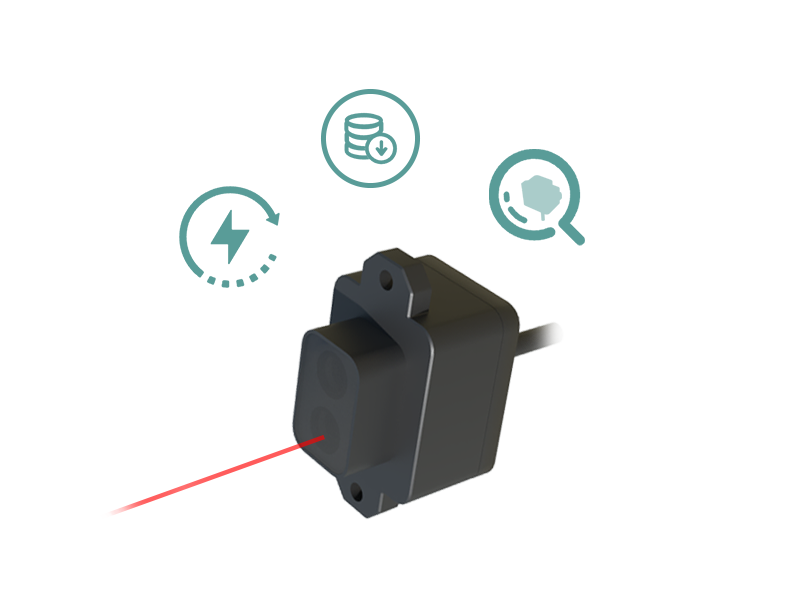
Manufacturers tout IP67 ratings and ±0.1mm accuracy. In practice, airborne particulates—especially sub-10µm metallic or carbon dust—don't just block the beam; they create a plasma of false returns. A LiDAR unit calibrated for warehouse automation will report phantom objects in a steel mill's grinding bay, causing catastrophic emergency stops. The "correction"? Accuracy specs are meaningless without stating the particulate density and dielectric properties. Vibration is the other silent killer. A sensor rated for 5g RMS at 100Hz might survive, but its internal clock or emitter alignment drifts, causing a slow, undetectable drift in measurement baseline—often exceeding 0.5% over a month. We log "vibration spectra" from the mounting point, not assume the spec sheet covers it. Field data shows a 40% higher mean time between failure (MTBF) when sensors are mounted on custom dampeners tuned to the dominant machine frequency, a step never mentioned in manuals.
Boundary Conditions: Where the Technology Fundamentally Breaks
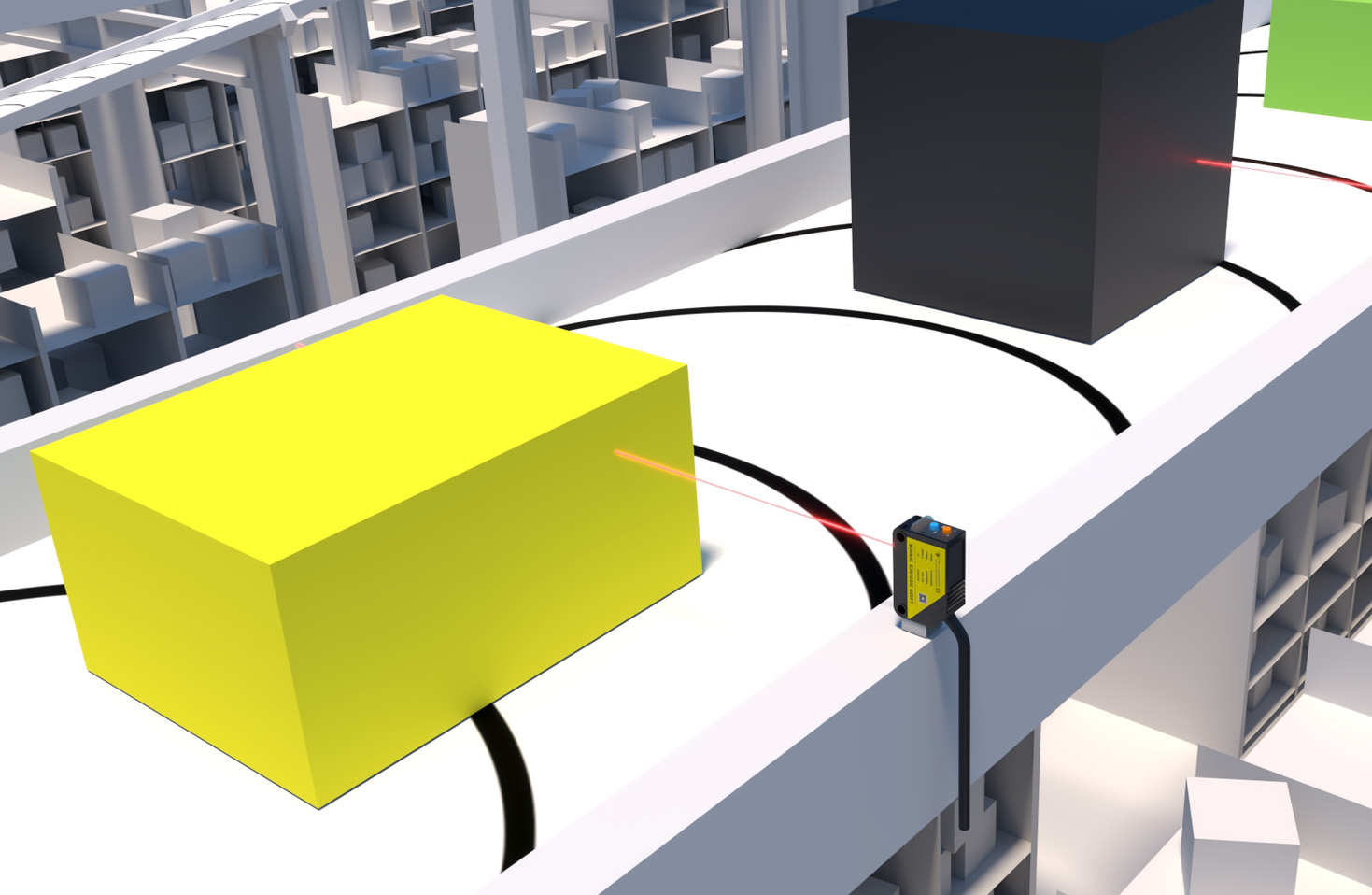
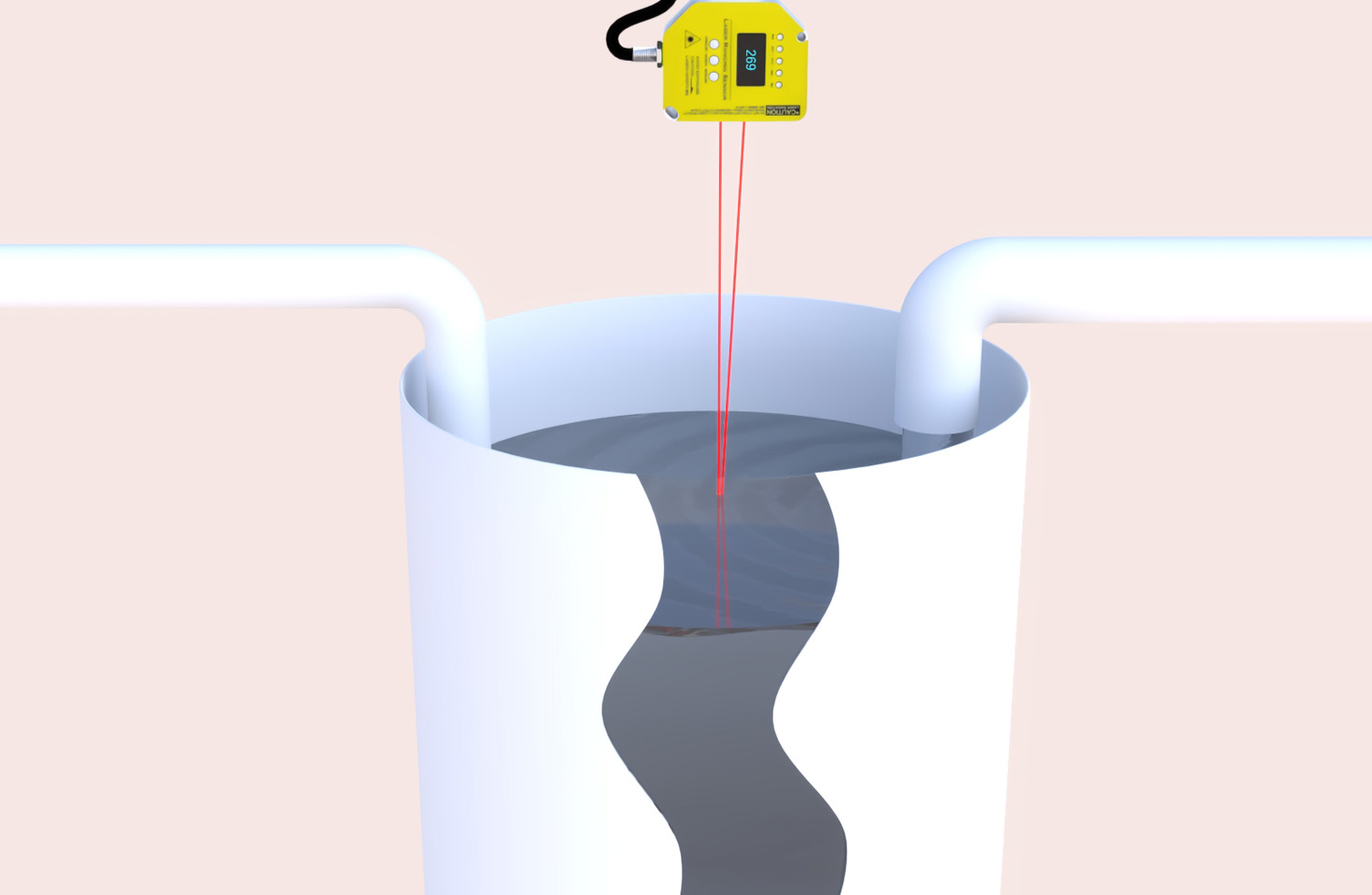
Laser triangulation and time-of-flight sensors have fatal, non-negotiable boundaries. First, rapidly changing surface optical properties. A sensor perfectly measuring molten glass ribbon thickness will fail when a speck of zirconia refractory material floats on the surface, instantly altering reflectivity and scattering the beam. No software can compensate in real-time. Second, condensing atmospheres. In a food processing chill chain moving from +4°C to -20°C, a laser window will fog internally if not purged with dry air, regardless of IP rating. The sensor is blind for hours. Third, and most critically, high-energy plasma fields near arc welders or induction furnaces. The EM interference doesn't just cause noise; it can permanently bias the sensor's photodiode array, requiring a full factory recalibration. Using a standard laser sensor within 3 meters of a 400-amp welding station is a guaranteed path to corrupted data. The boundary is absolute.
Counter-Intuitive Conclusion: Sometimes a "Worse" Sensor is the Optimal Solution
The industry pushes higher resolution, faster sampling, and narrower laser lines. My most reliable installation in a cement plant kiln feed system uses a ruggedized, low-resolution (4mm accuracy) laser radar instead of a precision 0.1mm unit. Why? The high-resolution sensor was overwhelmed by the extreme dust and heat shimmer, producing chaotic data. The "dumber" sensor, with a wider beam divergence and slower update rate, effectively averaged the noise, providing a stable, usable trend line for control. Its lower frequency also avoided resonant vibration modes. The insight: Maximizing signal-to-noise ratio sometimes means reducing the absolute signal fidelity. In another case, for measuring warpage on red-hot steel slabs, we intentionally use a blue laser (450nm) instead of the standard infrared (850nm). Contrary to intuition, the shorter wavelength is less scattered by the intense thermal radiation (black-body glow) peaking in the IR spectrum, yielding a clearer signal. This choice, derived from Planck's law, is absent from most application guides.
The ultimate anomaly is believing sensors operate in isolation. Their performance is a system property of the entire hostile environment. Spec sheets are starting points for failure analysis, not performance guarantees. The real expertise lies in knowing precisely how and when to violate the recommended application guidelines to achieve operational stability.