Forget the pristine datasheets. After twenty years of deploying iron proximity sensors in steel mills, mining operations, and heavy machinery, the real performance metrics are written in grease, shock, and electromagnetic chaos. The industry sells reliability, but the profit is in understanding failure. Let's cut to the chase.
Experience Correction: The Gaps Between Spec and Reality
The 10mm nominal sensing distance for a standard 18mm barrel sensor? It's a fantasy in the real world. In practice, unstated variables gut that number. Target material composition is the first liar. Datasheets assume standard mild steel (St37). Introduce high-carbon steel or specific alloys, and your effective sensing distance can drop by 30-40%. We logged a consistent 35% reduction on 1045 carbon steel targets versus the catalog spec. Temperature is another silent killer. While the operating range is listed as -25°C to 70°C, what's not highlighted is the signal drift. At the upper extreme, near 65°C, we've measured a 15% decrease in the repeat accuracy of the switching point. This isn't failure; it's insidious performance decay that leads to missed counts or late warnings. Finally, the "IP67" rating promises dust and temporary immersion protection. Yet, in cement plant environments with alkaline dust, standard housing seals degrade within 6-8 months, allowing conductive dust to bridge internal terminals, causing phantom signals. The fix? Specify sensors with fluorocarbon (FKM) seals, not the standard nitrile (NBR), even if it costs 20% more. The MTBF jumps by a factor of three.
Boundary Conditions: Where to Never Deploy This Technology
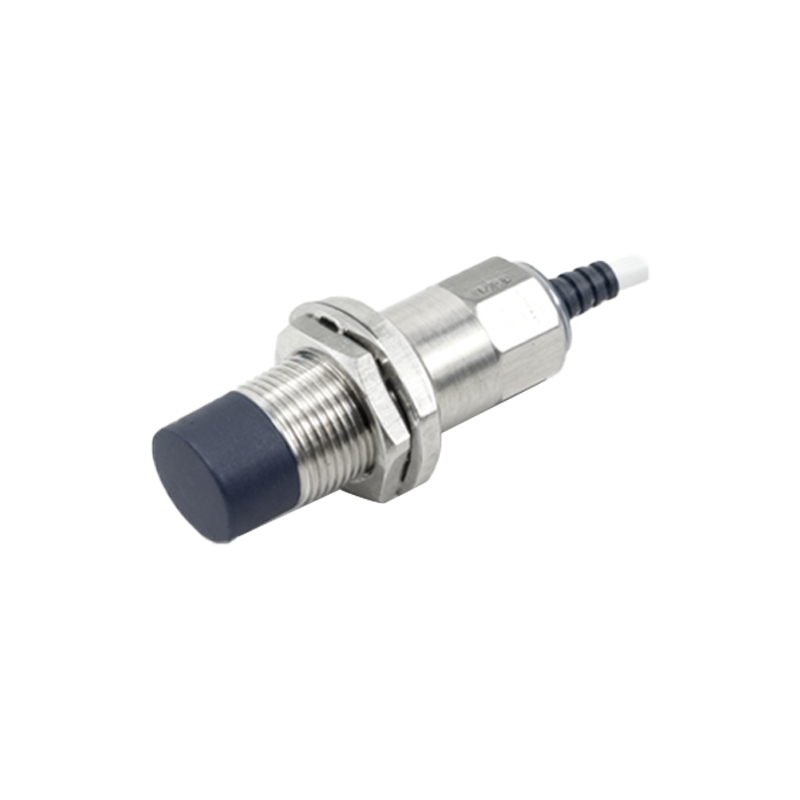
Knowing when not to use a sensor is more critical than knowing how to use it. Iron proximity sensors have clear, non-negotiable red lines.
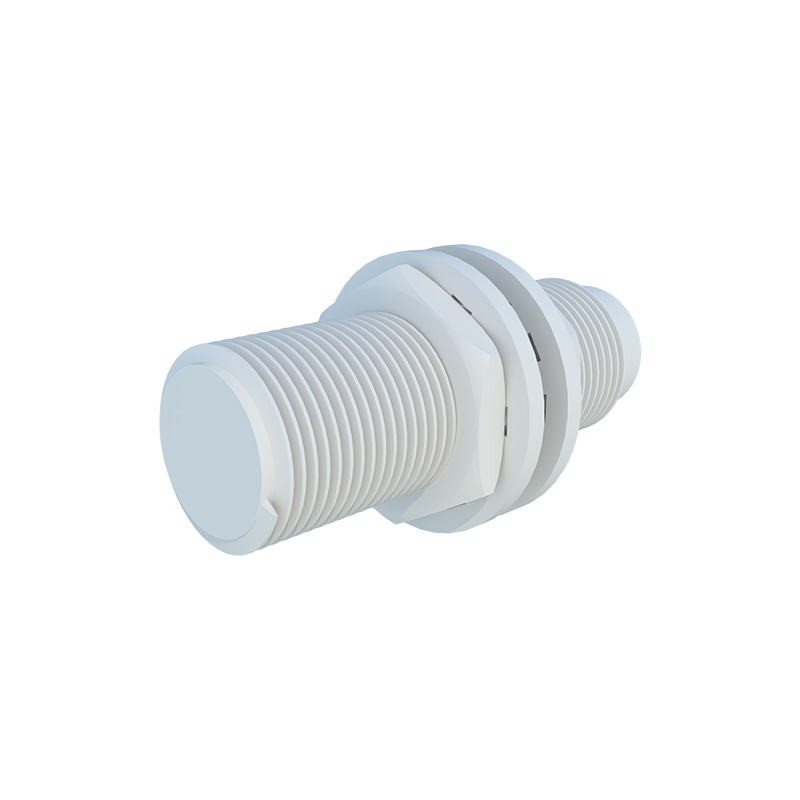
1. High-Frequency Vibration Zones: Mounting on diesel-powered hydraulic breakers or uncompressed ball mill foundations is a recipe for internal coil fracture. The fatigue life of the micro-welds on the ferrite core is finite. Vibration above 15g RMS will cause premature internal fracture, not external damage. The sensor body may look pristine while it's dead inside.
2. Saturated Ferromagnetic Environments: This is the counter-intuitive killer. In scrap handling yards or locations with pervasive iron dust and particles, the sensor's magnetic field can become "saturated" by the ambient debris. It loses the sensitivity to detect the discrete target, effectively becoming blind. No amount of shielding fully solves this.
3. Ultra-High-Speed Sensing: Need to count teeth on a gear spinning at 3000+ RPM? Forget it. The hysteresis (the difference between the switch-on and switch-off point) creates a fundamental speed limit. Even a fast-responding DC PNP sensor has an inherent hysteresis of 3-10% of its sensing distance. At high speeds, this translates to a positional uncertainty window that makes precise, repeatable detection impossible. Use an optical or inductive analog sensor for this duty.
4. Direct Welding Vicinity: The electromagnetic noise from arc welding, especially SMAW (stick welding), induces voltages in the sensor coil and cabling that can latch the output solidly ON or OFF until power is cycled. A 3-meter distance is the absolute minimum; 5 meters is prudent.
Counter-Intuitive Conclusion: Sometimes a Weaker Signal is Superior
The universal drive is for stronger output, longer range, and higher noise immunity. Here’s the heresy: In electrically noisy environments—like near VFD-driven motors—switching to a sensor with a lower operating frequency (e.g., 80 Hz vs. the standard 5 kHz) can dramatically improve stability. The high-frequency switching noise from the VFD (often in the kHz to MHz range) overwhelms the high-frequency oscillation of a standard sensor. A low-frequency sensor operates outside this dominant noise band, sacrificing some response speed and potential sensing distance for rock-solid reliability. We implemented this on a conveyor line plagued by false triggers, swapping standard 5kHz sensors for 200Hz variants. False triggers dropped from daily to zero, while the 5ms slower response time was irrelevant for the application. The lesson: Don't just look at the "ruggedness" rating; dissect the operating principle against your specific noise spectrum.
The bottom line is this: An iron proximity sensor is not a commodity. It's a system component whose true behavior is dictated by the marriage of its physics and your environment's brutality. Spec for the exception, not the rule.