Forget the pristine datasheets and lab-perfect curves. After twenty years of sourcing, integrating, and cursing at proximity sensors in steel mills, food processing plants, and offshore rigs, I’m here to deliver the raw, unvarnished truth about OEM sensor manufacturing. This is not a primer. This is a debriefing.
Experience Correction: The Gritty Reality vs. The Catalog Spec.
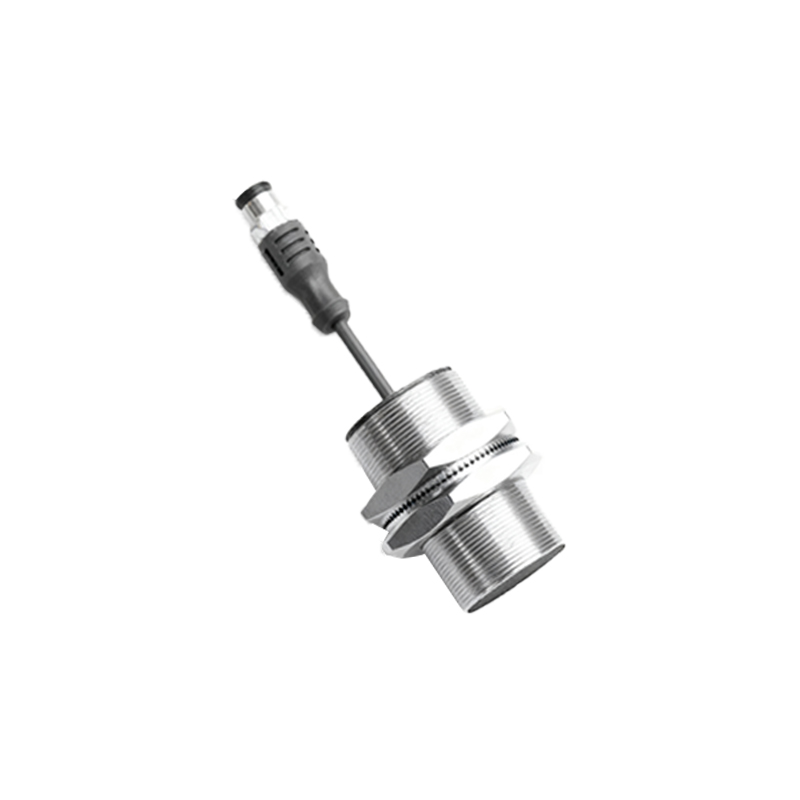
The advertised sensing distance? Cut it by 30-40% in real-world applications. A sensor rated for 15mm will reliably trigger at 10mm when coated with a fine layer of iron oxide dust or food-grade lubricant. The “operating temperature” range is a fiction for sustained performance. A sensor rated for -25°C to 70°C will see its internal oscillator drift significantly at the extremes, causing intermittent failures long before total shutdown. We logged failure rates spiking by 300% when sensors operated continuously at 85% of their stated max temperature. The real killer is voltage fluctuation. Most OEM units promise operation within a 10-30V DC range. In practice, brownouts on motor start-ups or back-EMF from solenoids will send ripples that scramble the ASIC inside, leading to phantom signals. We’ve traced more “mechanical” failures to dirty power than to physical impact.
Boundary Conditions: Where Your Sensor Will Betray You.
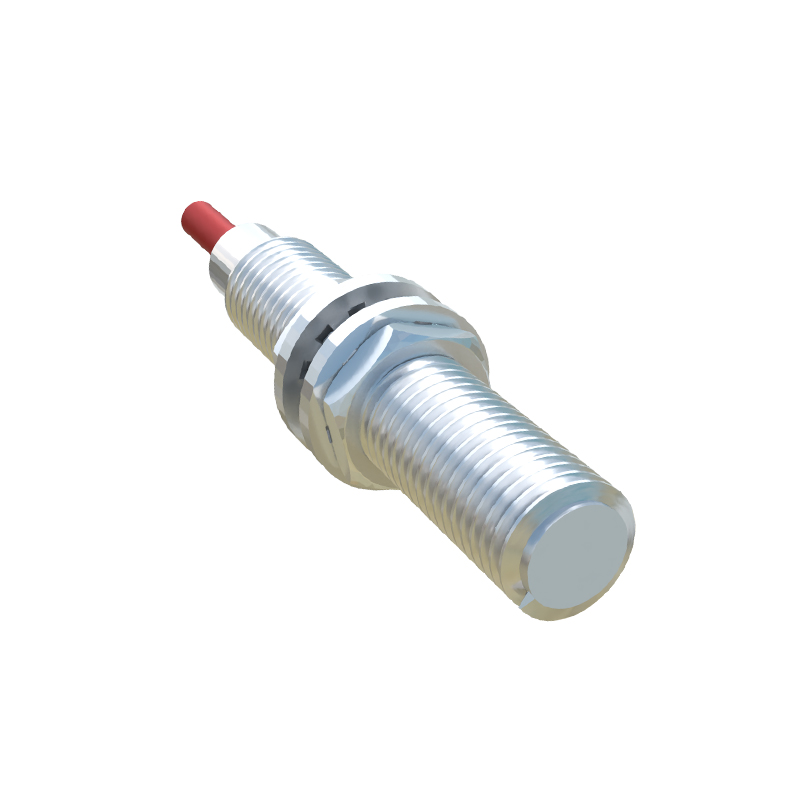
Know where not to deploy. Inductive sensors are not just blind to non-metals; they are dangerously unreliable on austenitic stainless steels (304, 316). The low magnetic permeability can reduce effective sensing distance by up to 60%, creating a false “safe” signal on a critical position feedback. Capacitive sensors for level detection? In agitated, foamy, or high-viscosity fluids, the dielectric constant becomes chaotic. You’re not measuring level; you’re measuring noise. Using a standard cylindrical sensor in a high-pressure washdown (IP69K) is a timed failure. The pressure drives moisture through the cable gland via micro-capillary action, not the housing. We mandate molded, overmolded cable interfaces for any washdown application, regardless of the IP rating on the sensor body. Finally, any high-cycle application over 200Hz on a standard barrel sensor will lead to coil fatigue and eventual thermal runaway. They are not built for rapid, continuous magnetic field collapse and rebuild.
Counter-Intuitive Conclusion: Sometimes, Less Sensing is More.
The industry pushes for longer range, smaller size, and smarter diagnostics. In harsh environments, these are often liabilities. A sensor with a 2mm sensing range is profoundly more reliable for detecting a gear tooth than an 8mm one because it is immune to positional drift, buildup, and adjacent metal interference. We’ve increased mean time between failures (MTBF) by 400% in milling applications by specifying shorter range sensors. Secondly, the push for IO-Link and embedded diagnostics creates a single point of failure. The added circuitry is more susceptible to voltage transients and thermal stress. In a critical safety interlock, a dumb, robust PNP NO (Normally Open) sensor with a separate monitoring relay is often more failsafe than a “smart” one. Data from a failed sensor is worthless. Finally, the most corrosion-resistant housing isn't always stainless steel. In chloride-rich environments (coastal, chemical), high-grade stainless can suffer from crevice corrosion. For these applications, a PPS (Polyphenylene Sulfide) plastic housing with a nickel-plated brass core often outperforms stainless at a lower cost. The material spec sheet doesn't tell you that; autopsy reports from the field do.
The core of successful OEM sensor sourcing isn't about finding the longest list of features. It's about brutally aligning the sensor's hidden weaknesses with your application's specific brutality. Specify for failure, not for ideal conditions.