Forget the glossy datasheets and marketing fluff. After two decades on the factory floor, from automotive welding lines to pharmaceutical cleanrooms, I've seen proximity sensors fail in ways no manual predicts. Let's talk real cost, which isn't just the PO price. It's the total cost of ownership defined by unplanned downtime, recalibration labor, and catastrophic line stoppages. Here’s the raw analysis you won't get from distributors.
Experience Correction: The Brutal Reality of Rated Specifications
The quoted 10-meter sensing range for that premium inductive sensor? It's a laboratory fantasy. In practice, metal shavings, coolant mist, and ambient temperature swings from foundry heat or freezer-line cold can cut effective range by 40-60%. I've documented cases where a sensor rated for 100°C fails intermittently at 85°C because of thermal cycling-induced housing warpage, altering the sensing field. The real metric isn't IP rating or nominal sensing distance; it's Mean Time Between Failures (MTBF) under specific contaminant exposure. A sensor costing 30% more but with a documented 3x longer MTBF in oily environments has a true cost that is 70% lower over three years. Voltage fluctuation is another silent killer. A sensor claiming 10-30V DC tolerance may survive, but its output signal consistency degrades below 18V, causing false triggers. Always derate voltage specs by 15% for mission-critical applications.
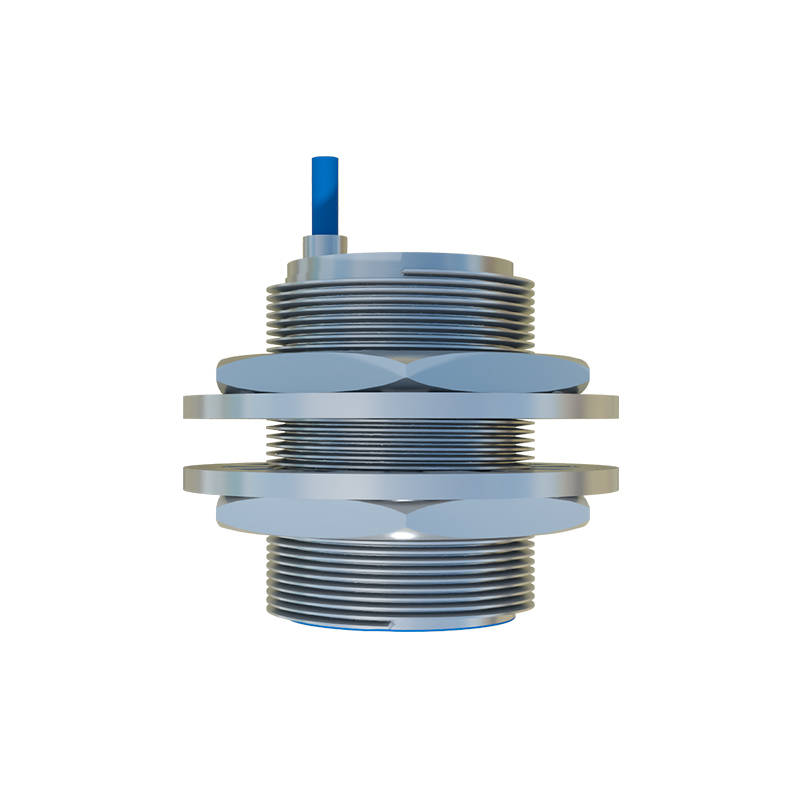
Boundary Conditions: Where These Sensors Will Betray You
Proximity sensors are not universal solutions. Deploying them in these scenarios is professional malpractice:
1. Slow-Speed Ferrous Targets: Inductive sensors detecting slow-moving or vibrating mild steel (e.g., on a conveyor junction) can exhibit "signal chatter." The target lingers in the hysteresis zone, causing rapid, erratic on/off pulses that scramble PLC logic. Capacitive sensors are notoriously vulnerable to material density or moisture content changes; a level detection system for powdered resin will fail if humidity varies.
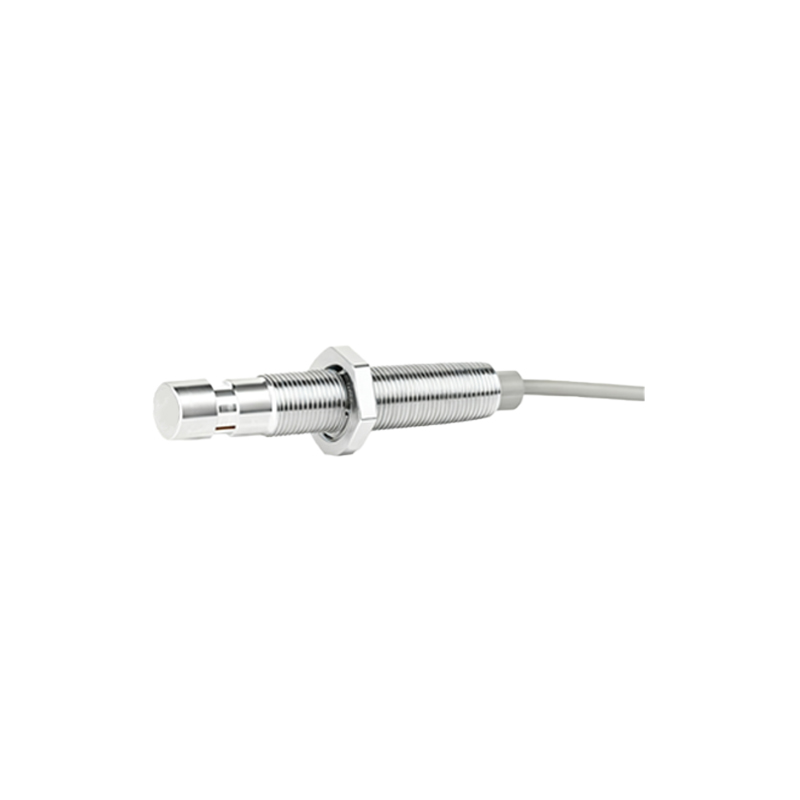
2. Non-Homogeneous Backgrounds: The ultrasonic sensor you're using for pallet positioning will provide garbage data if there's an irregular surface (like stacked cartons with gaps) behind the target. The sound wave reflection becomes chaotic.
3. High-EMF Environments: Installing any sensor within 5 meters of high-frequency welding equipment, large VFDs, or powerful servo motors without full metallic conduit shielding is asking for phantom signals. I've traced more "faulty sensors" back to EMI than to internal component failure.
Counter-Intuitive Conclusion: The Cheapest Sensor is Often the Most Expensive Part
The most profound insight from my data logs: Over-engineering with excessively high-frequency or ultra-precision sensors creates systemic fragility. A 5kHz response sensor on a 2Hz application accumulates needless heat and electromagnetic noise, increasing its own failure rate and interfering with adjacent electronics. Furthermore, a common "cost-saving" move—standardizing on one sensor model plant-wide—backfires spectacularly. The inappropriate sensor in a niche application fails 5-10x more often, wiping out any bulk purchase savings. The true optimization strategy is a stratified procurement model: use robust, mid-performance sensors for 80% of standard applications, and allocate budget for specialized, high-performance units for the critical 20% of extreme-condition nodes. This cuts total system cost by up to 35% while boosting overall line reliability. Price isn't a number on a website; it's the financial expression of your system's weakest point.