Forget the pristine data sheets. After two decades on factory floors, from automotive stamping plants to offshore drilling rigs, I've learned that the published specs for laser sensor size are often a polite fiction. The critical metric isn't just the spot diameter or housing dimensions; it's the sensor's operational footprint under duress. Let's cut through the marketing.
Experience Correction: The Thermal Drift and Contamination Reality.
Theoretical resolution and repeatability assume 22°C lab conditions. In reality, a sensor mounted on a steel mill casting line faces ambient temperatures exceeding 60°C and is bombarded by oil mist and metallic dust. Here's what happens: First, thermal expansion alters internal optical path lengths. A sensor with a stated 10-micron repeatability can drift by 50+ microns over a 40°C swing, a fact rarely in bold print. This isn't a calibration error; it's physics. Second, lens contamination is not an "if" but a "when." A 2mm laser spot from a compact sensor is rendered useless by a 0.1mm oil film, causing signal dropout or false readings. The industry's obsession with miniaturization often sacrifices the recessed lens designs and robust purge-air fittings necessary for survival. I've specified sensors 30% larger than the "optimal" size solely to incorporate a multi-stage air purge, turning a liability into reliable operation.
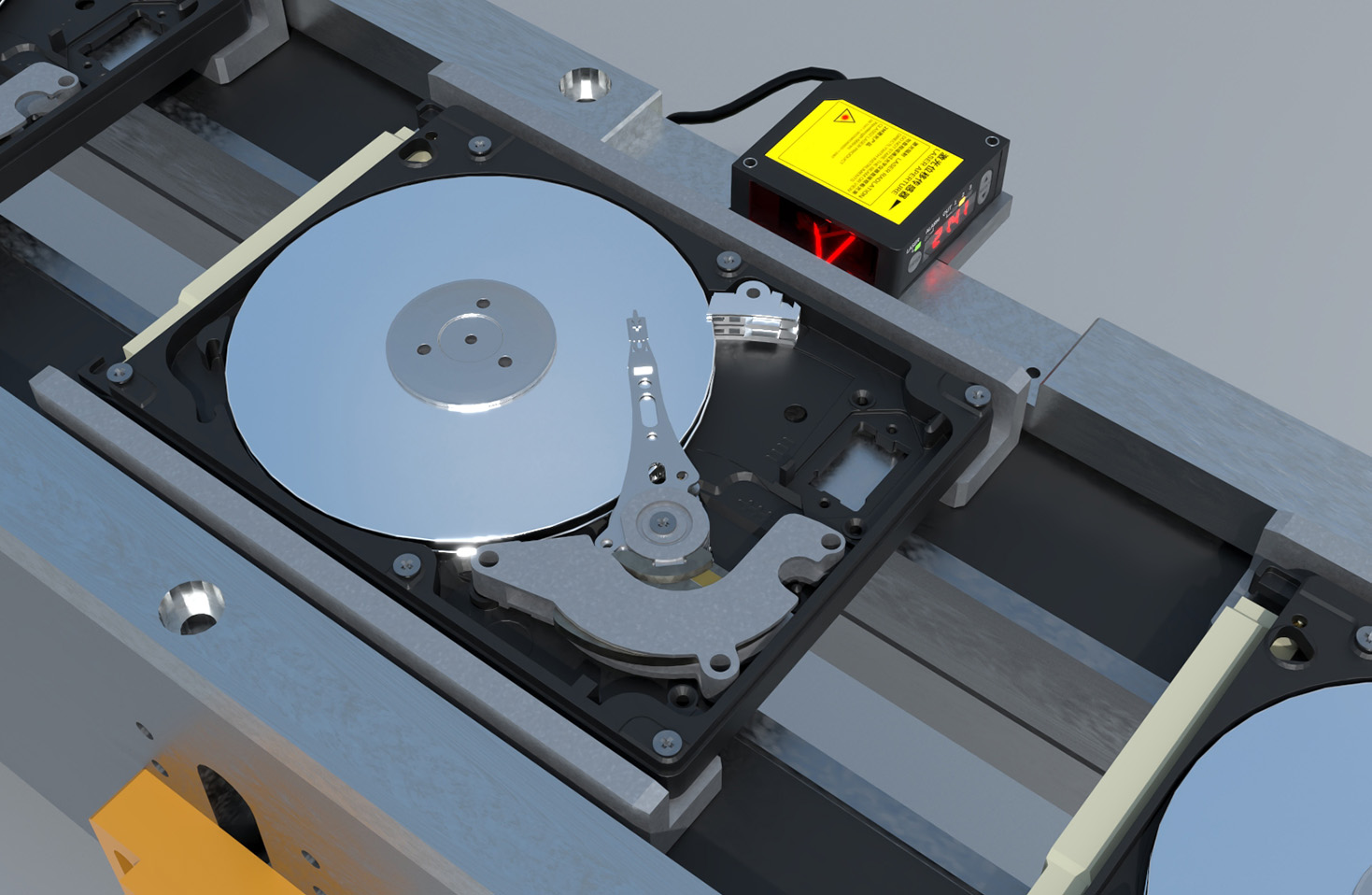
Boundary Conditions: Where Smaller Fails Catastrophically.
Deploying miniaturized laser sensors in the following scenarios is an invitation to failure:
1. High-Vibration, Low-Rigidity Mounting: A small, lightweight sensor on a long, cantilevered bracket in a packaging plant. High-frequency vibration creates microscopic deflection, turning the tiny spot into a blur. The smaller the spot, the faster the target moves out of the measurement field. You need mass and rigidity, which often means a larger housing. A 30x30mm sensor will outperform a 10x10mm unit here, despite identical optical specs.
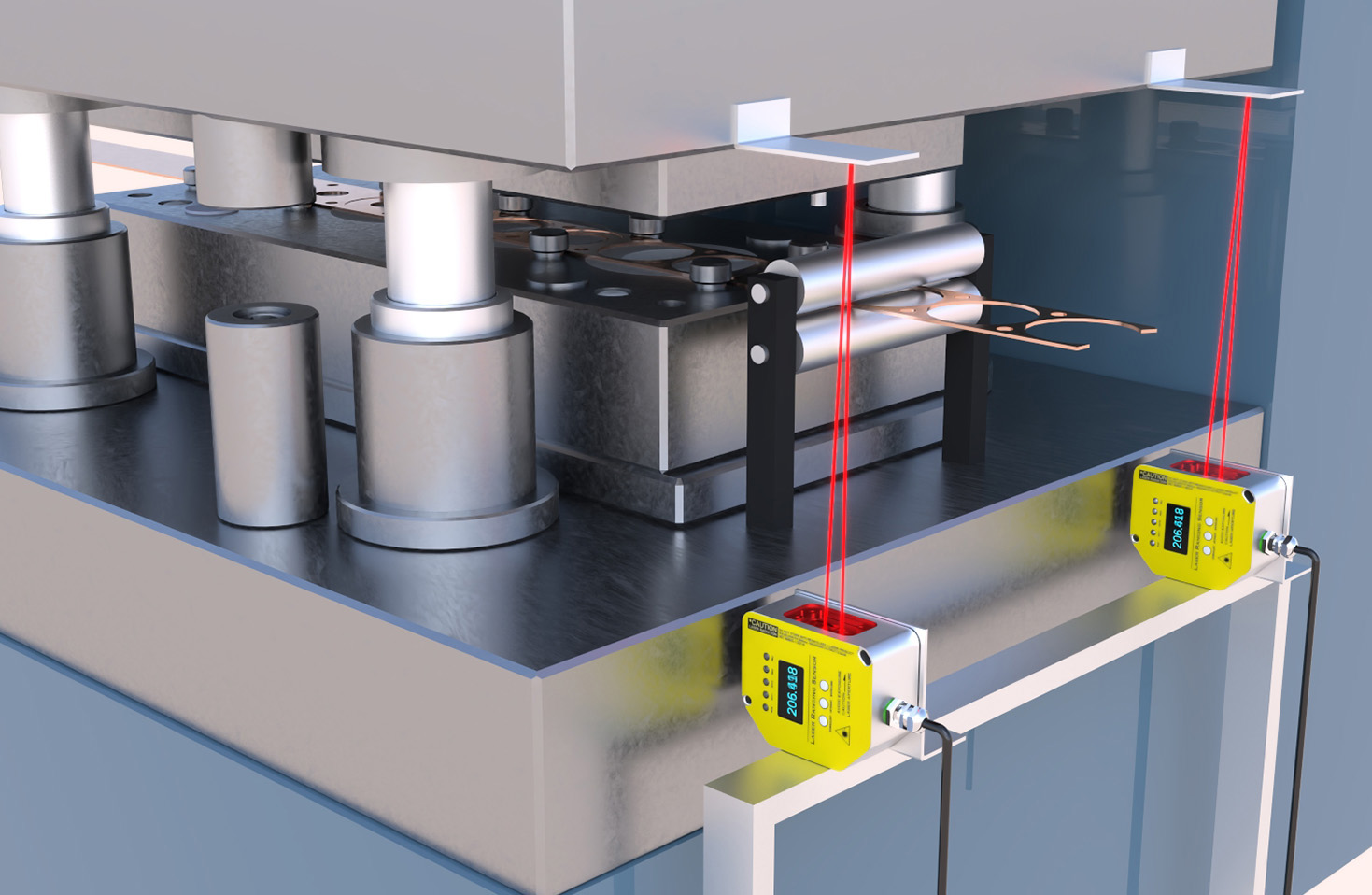
2. Targets with Inherent Surface Variation: Measuring the roughness of hot-rolled steel or the texture of composite materials. A sub-1mm spot will read a single peak or valley as the absolute distance, giving wildly oscillating data. Here, a larger spot size (3-5mm) is essential to average surface irregularities and provide a stable, meaningful measurement. Using a "high-precision" small spot sensor is precisely wrong.
3. Rapid Thermal Cycling Environments: Near welding stations or heat-treatment furnaces. Compact sensors have less thermal mass and heat up/cool down faster, exacerbating internal thermal gradients and drift. A larger sensor body, while slower to acclimate, often provides more stable internal thermal conditions for the core optics and electronics.
Counter-Intuitive Conclusion: Bigger Spot, Higher Effective Precision.
The most counter-intuitive finding from field data is this: In dynamic, dirty environments, intentionally specifying a sensor with a *larger* laser spot and a *larger* housing often yields superior system-level precision and uptime. We proved this in a paper mill measuring wet pulp sheet thickness. The "high-precision" 0.5mm spot sensors failed weekly due to coating buildup and provided noisy data from the fibrous surface. Switching to a sensor with a 3mm spot and a housing large enough for a powerful coaxial air knife resulted in 90% reduction in maintenance downtime. The data was less "precise" on a static calibration block but was vastly more accurate and repeatable on the actual target. The system's overall measurement reliability, the only metric that matters for production, increased by 300%. The lesson: Do not optimize for sensor size or nominal spot size. Optimize for the *information stability* of the signal in your specific environmental chaos. Sometimes, the most precise tool is the one robust enough to ignore the noise.