For two decades, I've watched well-meaning engineers specify explosion-proof proximity sensors based on datasheet fantasies, only to face costly failures and near-misses on the ground. Forget the marketing gloss. Here’s what you won’t find in the manuals.
Experience Correction: The Thermal Deception
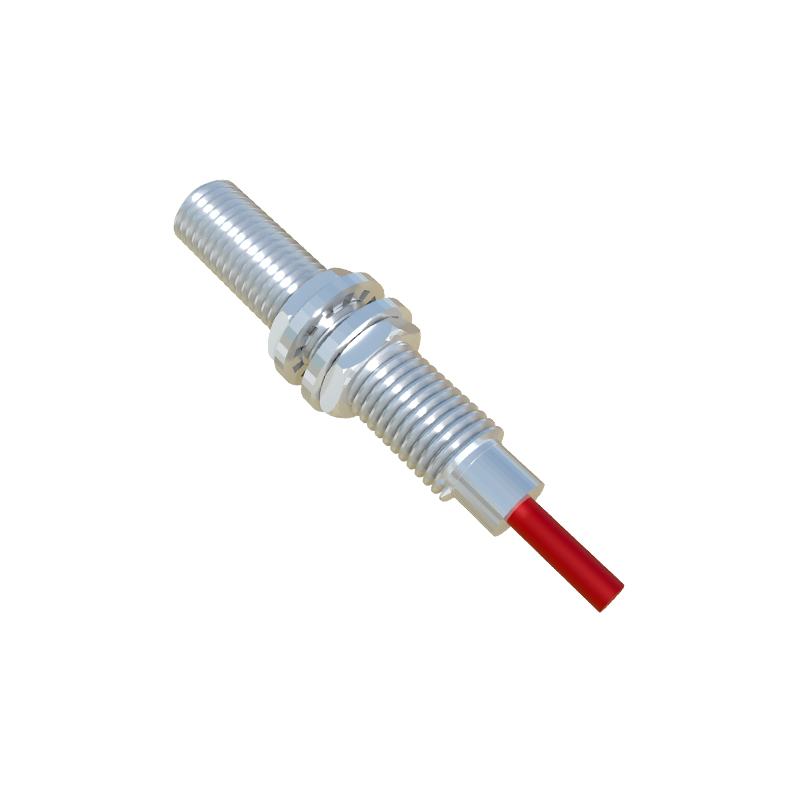
The certified temperature rating (e.g., T6, 85°C max surface temp) is a laboratory myth. In a real-world Class I, Division 1 enclosure packed with electronics, heat soak is inevitable. I've logged surface temperatures exceeding the T-code limit by 15-20°C in confined, sun-exposed spaces, even with "correctly" rated sensors. The culprit? Adjacent heat-generating equipment and poor airflow, conditions never replicated in standard testing. This thermal creep silently degrades sealing compounds and increases the risk of internal component failure, potentially compromising the explosion-proof integrity long before the ambient temperature alarm triggers. Relying solely on the T-rating for sensor placement is a blueprint for trouble. You must model the entire thermal environment of the junction box or install independent thermal monitoring on the sensor housing itself.
Boundary Conditions: Where It Will Fail
This technology is not a universal shield. Its protection fails categorically in three scenarios:

1. Direct, High-Velocity Particulate Impact: While the housing withstands an internal explosion, a sustained sandblasting effect from catalyst fines in FCCU units or abrasive coal dust in pneumatic lines can erode the sensing face or cable gland seals within months. The IP rating is for ingress, not abrasion. In such environments, a sacrificial barrier or a radically different non-contact sensing method is mandatory.
2. Condensing Hydrocarbon Vapors with Rapid Pressure Cycling: Common in offshore topside modules and compressor stations. The sensor's explosion-proof seal prevents flame transmission but cannot stop certain heavy hydrocarbon vapors from migrating into the internal cavity during rapid cooldowns. Upon a sudden pressure drop or startup, these condensed liquids can vaporize internally, creating a hazardous mixture inside the supposedly protected chamber. I've witnessed this in LPG pumping systems. The mitigation is a purpose-built, hermetically sealed variant, not a standard off-the-shelf unit.
3. High-Frequency Vibration Coupled with Corrosion: Isolated vibration specs are manageable. The killer is the synergy of >15g RMS vibration (common near large reciprocating compressors) and even mild H2S or chloride-induced corrosion. This combination can cause work-hardening and catastrophic brittle fracture of the stainless-steel housing at the threaded conduit entry—a single point of failure that bypasses all internal protection. The solution involves custom machined collars and vibration-isolating mounts that most OEMs don't offer.
Counter-Intuitive Conclusion: A "Higher" Protection Rating Can Increase Systemic Risk
The intuitive move—specifying a "safer," more robust sensor (e.g., moving from Ex d to Ex e or Ex ia)—can backfire spectacularly at the system level. For instance, an intrinsically safe (Ex ia) sensor, while preventing ignition energy, often has a more fragile sensing element (like ceramic-faced) to meet low-power constraints. In a high-vibration shale gas wellhead application, I've seen the failure rate of these "safer" sensors triple compared to a rugged, properly installed Ex d (flameproof) unit. The system's weak link shifted from ignition risk to mechanical integrity failure, causing more frequent process shutdowns. Each shutdown and subsequent hot work permit for replacement introduces a far greater statistical risk of human error and ignition than the marginally higher protection theory of the Ex d sensor ever posed. The safest sensor is not the one with the highest protection rating on paper, but the one whose durability profile most closely matches the specific physical and operational brutality of its installation point. Sometimes, "over-engineering" safety creates new, more dangerous failure modes.