Forget everything you've read in the glossy catalogs. After two decades on the factory floor, from automotive welding pits to offshore drilling rigs, I've learned that selecting a proximity sensor is an exercise in managing failure. The theoretical world of sensing distance, repeat accuracy, and IP ratings collapses under the vibration of a stamping press or the conductive dust of a cement plant. Here is the unvarnished truth, dimensioned in millimeters of error and percentages of downtime.
Experience Correction: The Gaps Between Lab Spec and Reality
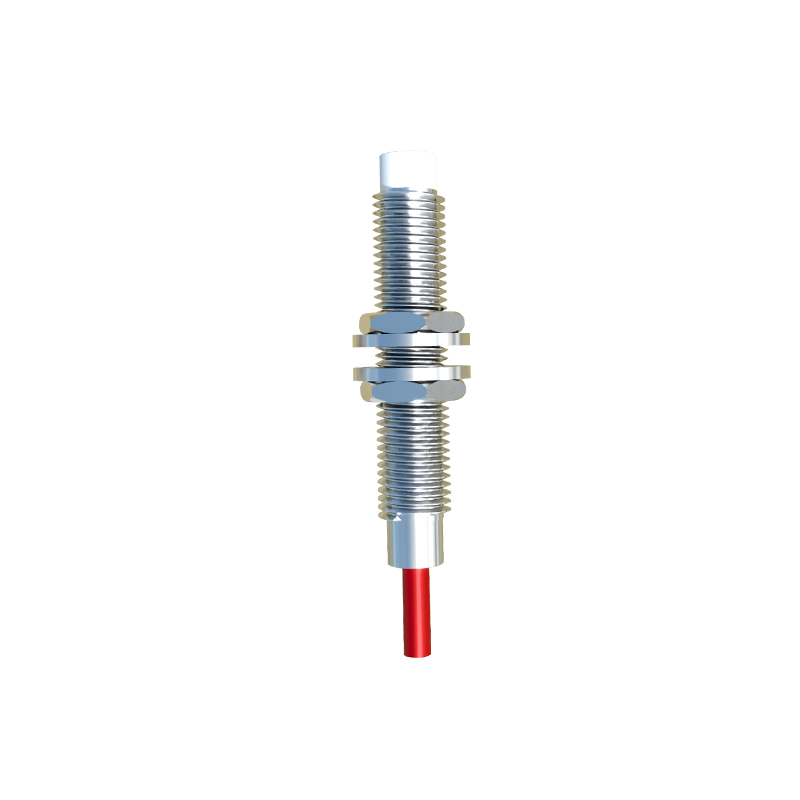
The most egregious lie on a datasheet is the "rated sensing distance (Sn)." Manufacturers derive this in a clean lab at 23°C with a standard target. In practice, you must apply a "derating factor" that no sales engineer will voluntarily share. For inductive sensors, a vibrating target can effectively reduce Sn by up to 40%. Why? The sensor's eddy current field needs milliseconds to stabilize; constant micro-variations prevent full field formation. For capacitive sensors, ambient humidity changes are the killer. A shift from 30% to 80% RH can increase the apparent sensing distance for a non-metallic material by over 60%, causing false triggers. The fix? Never design with less than 50% margin to the nominal Sn. If you need 10mm, pick a sensor rated for 20mm.
Temperature drift is another silent assassin. A sensor rated for -25 to 70°C might maintain its switching function, but its hysteresis—the difference between switch-on and switch-off point—can drift by 15% across that range. In a precision positioning application, this means a 0.1mm repeatability spec at room temperature becomes 0.23mm at the extremes, leading to rejected parts. Always demand the hysteresis vs. temperature graph, not just the operating temperature range.
Boundary Conditions: When to Walk Away
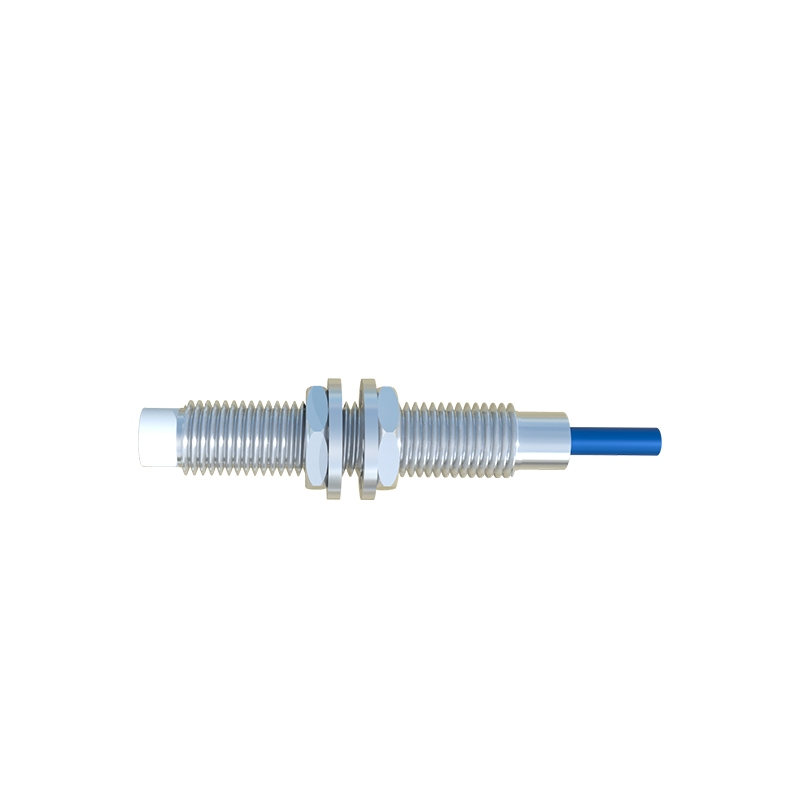
1. Ferrous-Only Inductive Sensors Near Stainless Steel: This is a classic pitfall. Austenitic stainless steels (304, 316) are non-magnetic or weakly magnetic. A standard inductive sensor designed for mild steel will see its Sn drop by 50-70%. Using it is a gamble. The solution is a "ferrous-only" or "red metal" sensor with a higher frequency, but even then, expect a 30% reduction versus mild steel. In a mixed-metal environment, they are useless.
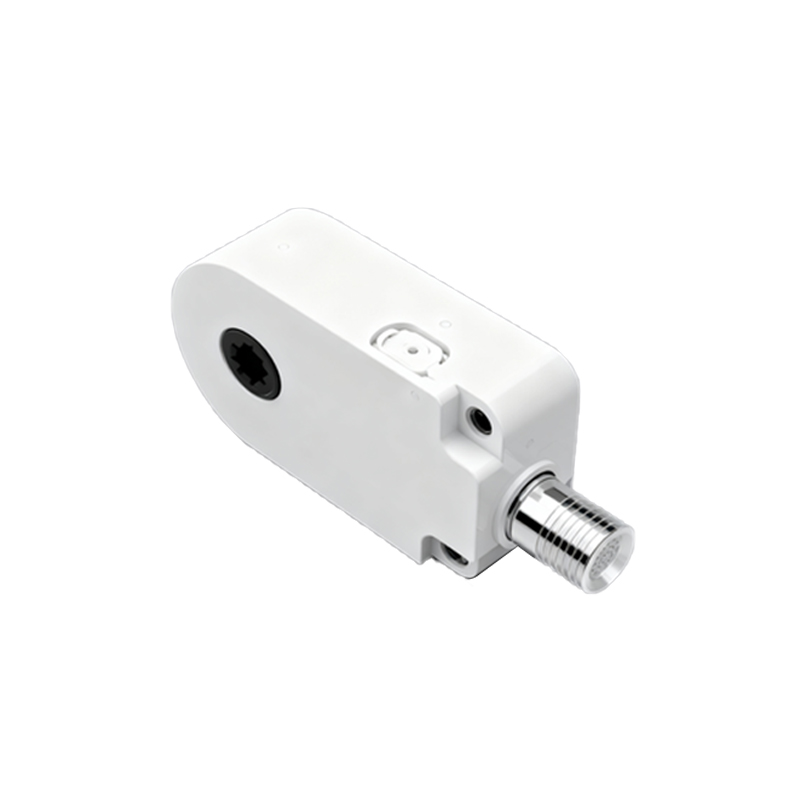
2. Ultrasonic Sensors in Turbulent Air: Placing an ultrasonic sensor near a fan, HVAC vent, or in an area with rapid temperature gradients is a recipe for disaster. Air turbulence scatters sound waves, and temperature layers refract them, causing wild measurement jumps of ±10% of range. They are also incapacitated by foam or heavy dust, which absorb ultrasonic energy.
3. Capacitive Sensors for Level Detection of Granulars: While often recommended, using capacitive sensors for powdered or granular materials (flour, plastic pellets) in silos is high-risk. Material bridging, changes in dielectric constant due to moisture or compaction, and electrostatic buildup lead to unreliable readings. The "sticky" nature of powders can also cause coating on the sensor face, permanently altering its calibration.
4. Any Standard Sensor in High-Cycle, High-Impact Applications: A sensor on a high-speed pick-and-place arm or a robotic welder isn't just switching; it's enduring mechanical shock. The internal ferrite core in inductive sensors can crack from repeated micro-impacts, leading to a gradual, irreversible decay in Sn—sometimes over just a few weeks. For such duties, you need sensors specifically built with damped cores and potted electronics, even if the IP rating is identical.
Counter-Intuitive Conclusions: Data-Backed Heresies
1. Sometimes, a Less "Accurate" Sensor is More Reliable. A laser triangulation sensor might offer 0.01mm resolution, but its complex optics are fouled by oil mist. A rugged, self-contained inductive sensor with 0.1mm repeatability will outlive and outperform it in a dirty environment, delivering higher overall equipment effectiveness (OEE) despite its inferior spec sheet. Reliability trumps resolution.
2. The Most Important Parameter Isn't on the Datasheet: Flank Sensitivity. This refers to a sensor's ability to detect an object approaching from the side, not just axially. High flank sensitivity is catastrophic in tight spaces, causing crosstalk between adjacent sensors or detection of passing machinery. Ironically, a sensor with poor flank sensitivity is often the premium, application-specific choice for dense installations. Ask for the flank sensitivity diagram.
3. Shielding Can Make Things Worse