Forget the pristine lab conditions on the data sheet. After two decades on factory floors, in mining pits, and on offshore rigs, I can tell you that the real performance of a proximity sensor is defined by what its specifications don't say. This is not a primer. This is a dissection of the gap between theory and gritty reality.
Experience Correction: The Lies of "Standard" Conditions
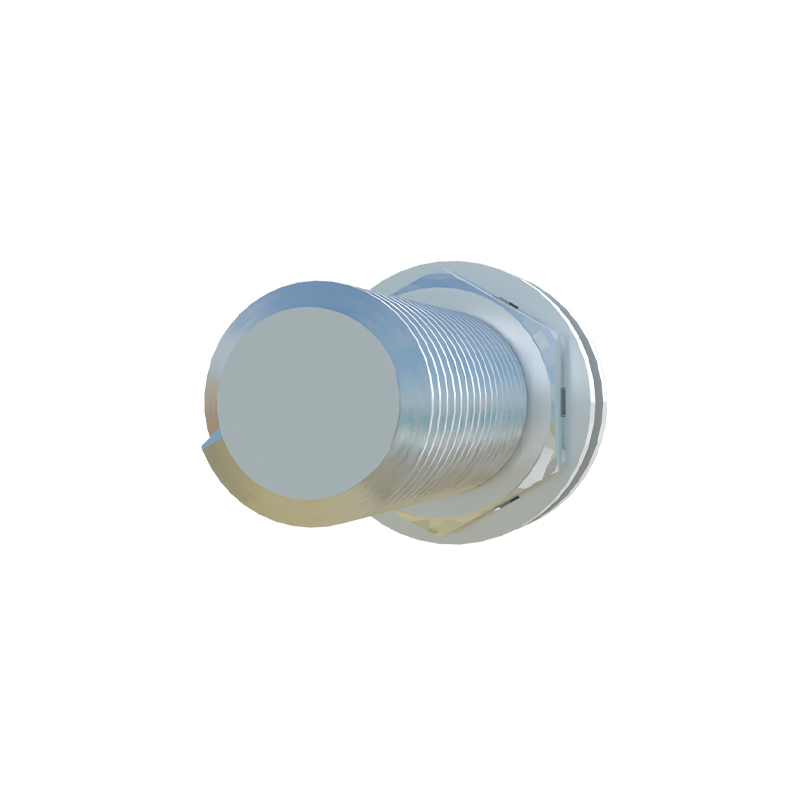
The rated sensing distance (Sn) is the first casualty of real-world deployment. A sensor rated for 10mm in a controlled environment will consistently underperform by 15-30% when coated with a fine layer of non-conductive dust, hydraulic fluid mist, or metallic swarf. The dielectric constant of the contaminant layer effectively becomes part of the sensing field's path, dampening its effective range. More critically, response time degradation is rarely documented. A sensor with a 1ms theoretical response can lag to 5ms or more when its oscillator circuit is thermally stressed or when detecting a target with high electromagnetic interference (EMI), like a variable-frequency drive (VFD)-controlled motor housing. This lag isn't a failure; it's a silent performance decay that leads to missed counts or mistimed sequences in high-speed automation.
Boundary Conditions: When to Walk Away
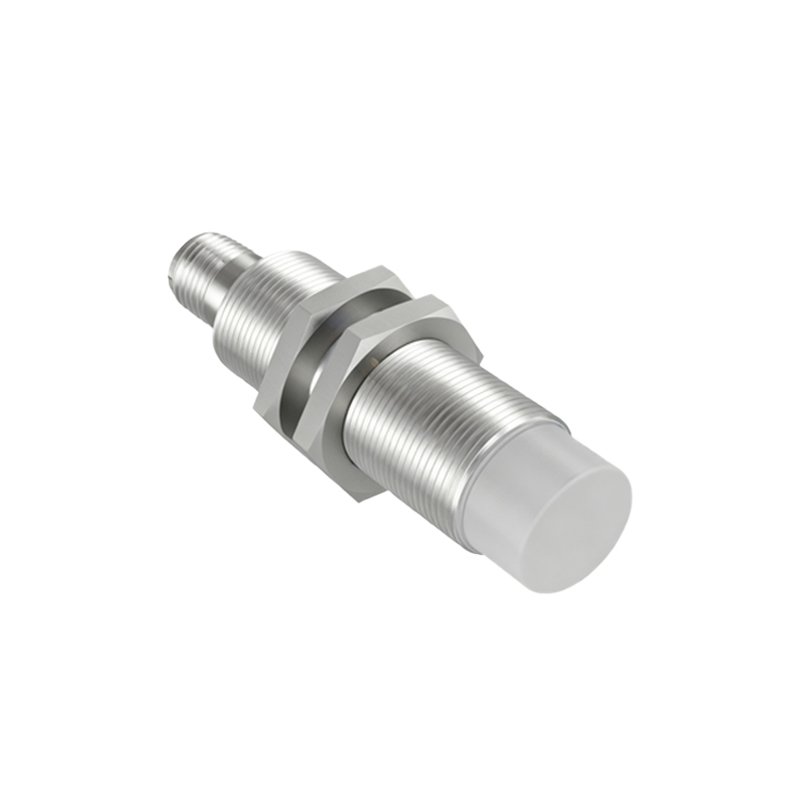
Inductive proximity sensors are often misapplied. They will catastrophically fail or provide dangerously erratic readings in the following scenarios:
1. Detection of Non-Ferrous Metals in Presence of Ferrous Background: Attempting to sense an aluminum can on a stainless-steel conveyor is a fool's errand. The background saturation effect renders the target invisible. The solution is rarely a different inductive sensor; it's a capacitive or photoelectric unit.
2. Extreme Pulsed EMI Environments: Near large spot welders or plasma arc equipment. The sensor's internal circuitry can latch up or provide a permanent "target present" signal, creating a critical safety hazard. Hardened units with full metallic housing and fiber-optic signal conversion are the minimum requirement here.
3. High-Speed Sensing of Thin or Small Targets: A standard barrel sensor detecting M3 nuts on a vibrating bowl feeder will have a false trigger rate exceeding 30%. The effective sensing field is larger than the target, leading to double-counting as the nut's edges enter and exit the field. This requires a sensor with a very narrow, focused field or a completely different technological approach (e.g., vision).
Counter-Intuitive Conclusion: Sometimes a "Worse" Sensor is the Better Tool
The industry push is for higher frequency, longer range, and smarter sensors. However, in high-vibration, high-shock environments—think stamping presses or rock crushers—a lower-frequency, shorter-range, mechanically rugged sensor with a potted electronics module will outlast and outperform a "high-performance" smart sensor every time. The complex ASICs in advanced sensors are more susceptible to vibration-induced solder joint fatigue and EMI. The data shows a mean time between failures (MTBF) for a ruggedized "dumb" sensor in a 10G shock environment can be 3x that of a sensitive smart sensor. Your goal is reliable state detection, not data acquisition. Furthermore, in applications involving temperature swings from -40°C to 85°C, the thermal drift of a standard sensor's sensing distance can exceed 50%. Selecting a sensor with a narrower stated temperature range but specifically compensated for that range often yields more stable performance than a broadly rated, uncompensated model. Don't pay for range you don't need; pay for stability within your specific window.
The final insight: The most critical parameter is often not on the spec sheet—it's the integrity of the housing seal and the quality of the potting compound. A sensor with an IP67 rating from a vendor who rigorously tests O-rings and potting will survive where a competitor's sensor with an IP69K rating, based on design alone, will succumb to ingress. In the end, reliability is an engineering discipline, not a marketing claim.