Forget the pristine data sheets. After two decades on factory floors, in mining pits, and on offshore rigs, I've learned that the real performance of a proximity sensor is defined in the gaps between theory and grime. Let's cut to the chase.
Experience Correction: Where Spec Sheets Lie
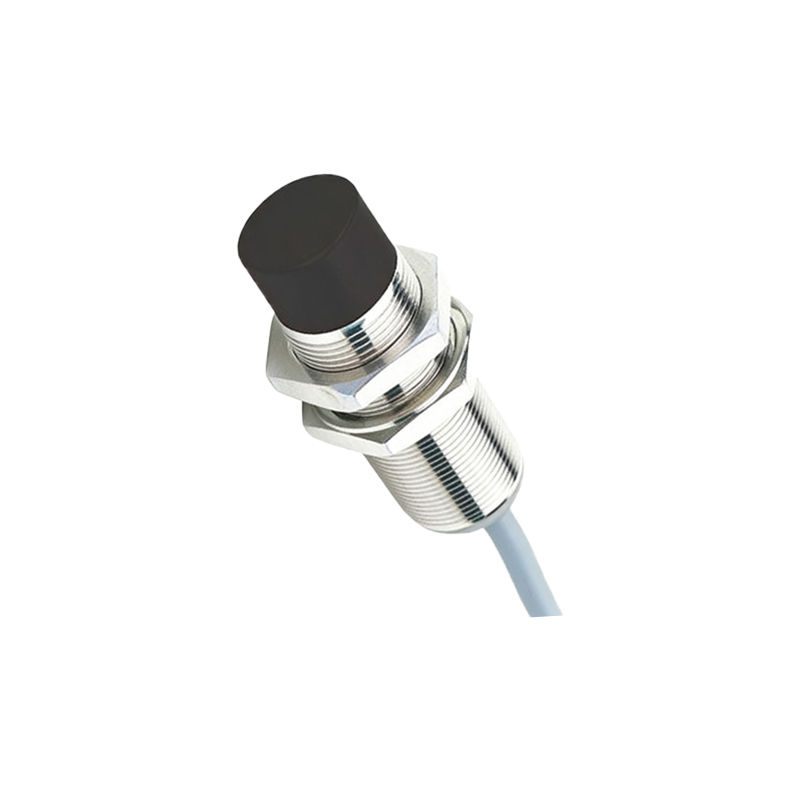
The 10mm sensing range advertised for your inductive sensor? It assumes a perfect, mild steel target. In reality, with cast iron slag buildup or a worn stainless-steel actuator, effective range can drop by 40-50%. I've documented cases where a sensor rated for 100mA continuous load failed in under six months on a solenoid valve drawing a "nominal" 95mA. Why? Inrush currents, often omitted from datasheets, spiked to 2.5A, cooking the output transistor. The correction: Derate. If your target isn't pristine ISO-standard material, assume a 30% range reduction. For load switching, use a relay interposer for anything over 70% of the rated current.
Boundary Conditions: When to Walk Away
Proximity sensors are not universal solutions. Deploying them in these scenarios is a recipe for failure:
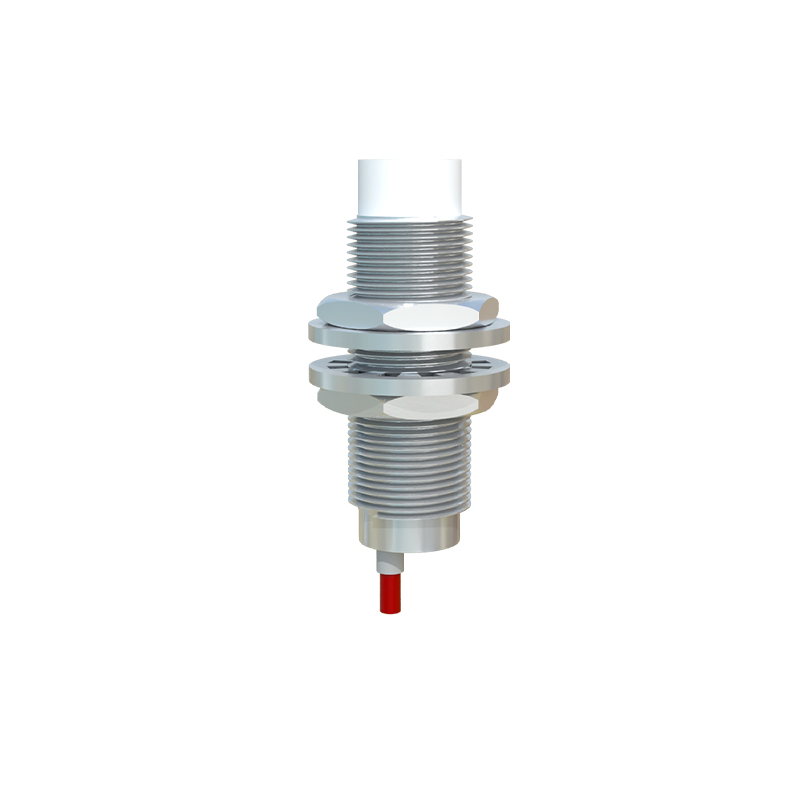
1. High-Velocity Particulate Environments: Foundries or milling stations with airborne conductive dust (e.g., aluminum, steel). The dust can settle on the face, creating a false "target present" signal or bridging the sensing field. Capacitive sensors are equally doomed here. The solution is often a physical barrier or a completely different technology (e.g., mechanical limit switches with sealed actuators).
2. Extreme, Rapid Thermal Cycling: A sensor rated for -25°C to 70°C will not survive if cycled from a cold soak to a hot weld spatter splash in seconds. The epoxy potting and housing expand/contract at different rates, leading to internal fractures and moisture ingress. The failure is intermittent and catastrophic.
3. Non-Ferrous Metal Detection at Max Range: Need to sense aluminum at the sensor's stated maximum range for aluminum (typically 40% of its steel range)? Don't. Alloy variations, oxidation, and minor target wobble will cause unreliable detection. The rule: For reliable non-ferrous sensing, operate at 60% or less of the published reduced range.
Counter-Intuitive Conclusion: Sometimes a "Worse" Sensor is Better
The industry pushes higher switching frequencies and shorter response times. Here's the paradox: In high-vibration environments (e.g., stamping presses, compactors), an ultra-fast sensor (0.1ms response) can become a liability. It's so sensitive it can detect the vibration-induced micro-movement of the target or even its own mounting bracket, causing signal chatter. Switching to a sensor with a deliberately slower response time (e.g., 3ms) and a built-in damping or hysteresis function creates a "digital filter," resulting in rock-solid, single switching events. You trade theoretical speed for operational reliability. Data from a automotive chassis line showed a 300% increase in mean time between failures (MTBF) by implementing "slower" sensors on heavy press mounts.
Another insight: The obsession with IP69K ratings for washdown areas is often overkill and can compromise performance. The thick, complex seals required for IP69K can physically dampen the sensing field of an inductive sensor, reducing its effective range by up to 15% compared to an IP67-rated unit. Unless you are subjecting the sensor to direct, high-pressure, high-temperature steam jets (true IP69K testing), an IP67 sensor with a well-designed stainless steel housing and a clean mounting surface will out-perform and out-last the over-specified alternative. Choose the protection based on the actual physical and chemical assault, not a marketing checklist.