For two decades, I've watched through-beam sensors get specified into oblivion. The datasheet promises a 30-meter range? In a dusty bottling plant, expect reliable operation at 15 meters, max. That pristine 100,000 Lux ambient light rating? It means nothing when a forklift's unshielded LED headlight hits the receiver at a 5-degree angle at 3 AM, triggering a false break. The core failure isn't the sensor; it's the blind faith in laboratory parameters. Let's cut the marketing fluff.
Experience Correction: Where Theory Meets Grime.
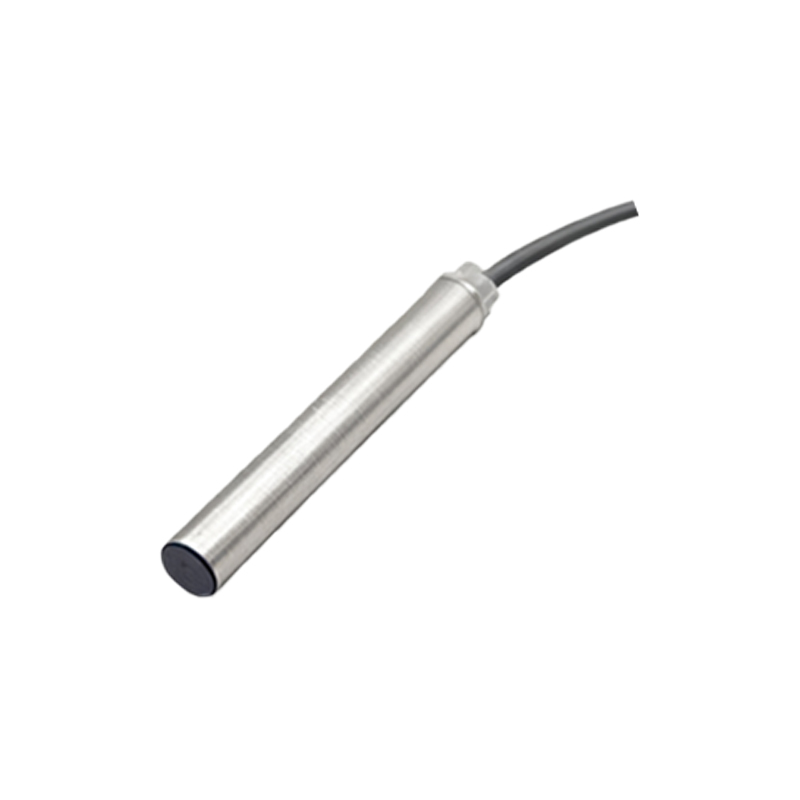
The advertised "response time" is a clean-room fantasy. In reality, the critical metric is signal margin degradation over time. A new sensor might show a 90% signal margin. After six months in a humid, particulate-laden environment—like a wood mill or a cement batch plant—that margin can erode to 15-20% without a visible alarm until it's too late. The photoelectric receiver doesn't fail; it enters a state of degraded, intermittent operation. Relying solely on the built-in diagnostic LED (which often only indicates power, not signal integrity) is a recipe for unplanned downtime. The fix? Mandatory periodic signal strength logging, not just functional checks. Furthermore, the beam's "alignment" is a dynamic enemy. Thermal expansion of machinery frames, even subtle seismic shifts in geographic zones, can misalign beams by millimeters over seasons, enough to kill a robust signal. The solution isn't more frequent manual alignment—it's specifying sensors with generous, true-to-life alignment tolerances and using receivers with analog signal strength output for predictive monitoring.
Boundary Conditions: When to Walk Away.
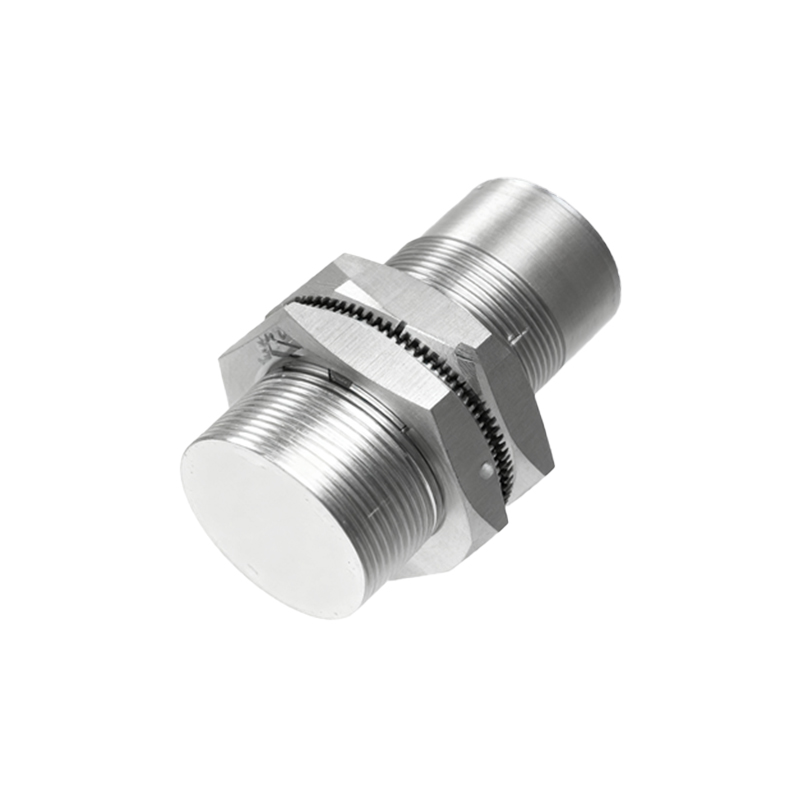
Through-beam sensors are not universal solutions. Deploying them in these scenarios is professional negligence:
1. Condensing Environments & Rapid Thermal Cycling: A sensor crossing a refrigerated warehouse doorway will fail. Condensation will form directly on the lens of both emitter and receiver, scattering and attenuating the beam. Heated models help, but during rapid door cycles, they cannot keep up. A capacitive or mechanical limit switch is superior here.
2. High-Vibration or Flexing Mounts: Mounting emitter and receiver on two separate pieces of machinery that move independently (even slightly) guarantees failure. The rigid optical path cannot tolerate differential movement. Use a single-point sensor (reflective or diffuse) on a stable base instead.
3. Media with a Refractive Index Similar to Air: Clear, still liquids and certain clear plastics (like PET) can become nearly invisible to a standard infrared beam. The beam may refract through the object rather than be blocked, causing missed detections. This is a common, catastrophic error in transparent packaging lines. A polarized laser sensor or a spectral response tuned to a specific material absorption band is required.
4. Heavy, Abrasive Particulate Streams: Sawdust, metal shavings, or sand flowing continuously through the beam will not just block it; they will physically erode the polycarbonate or glass lens, permanently scarring it. A recessed mount with an air knife purge is the minimum requirement, and even then, consider a non-optical technology.
Counterintuitive Conclusion: Sometimes, a Weaker Beam is Stronger.
The industry pushes for higher power IR LEDs for longer range and penetration. Here's the heresy: In environments with airborne mist or fine dust (spray booths, powder filling stations), a lower-powered red visible laser through-beam can be more reliable than a high-power IR unit. Why? The visible beam allows operators to see the exact path and diagnose partial blockages or buildup. The IR beam is invisible; its degradation is silent. Furthermore, the coherent nature of a laser (vs. LED's diffuse light) can sometimes better penetrate certain aerosols with less scatter, maintaining a cleaner signal edge. The trade-off is shorter range and more cost, but the diagnostic visibility and often-better performance in specific aerosols provide a net operational win. Another counterintuitive point: The most robust mounting bracket is often the worst choice. A heavy, rigid bracket can transfer shock and vibration directly to the sensor's internal optics. A lighter, vibration-damped bracket, or even a semi-rigid nylon mount, can absorb high-frequency shocks that would otherwise destroy the laser diode's alignment or crack the PCB solder joints.
The goal is not to sell a sensor, but to guarantee a function. That requires dismissing catalog promises and designing for the inevitable chaos of the real world.