After two decades on the factory floor, I've seen proximity sensors fail in ways manuals never mention. Forget textbook definitions. Let's talk about what happens when theory meets grease, vibration, and electromagnetic chaos.
Experience Correction: The Gaps Between Datasheet and Reality
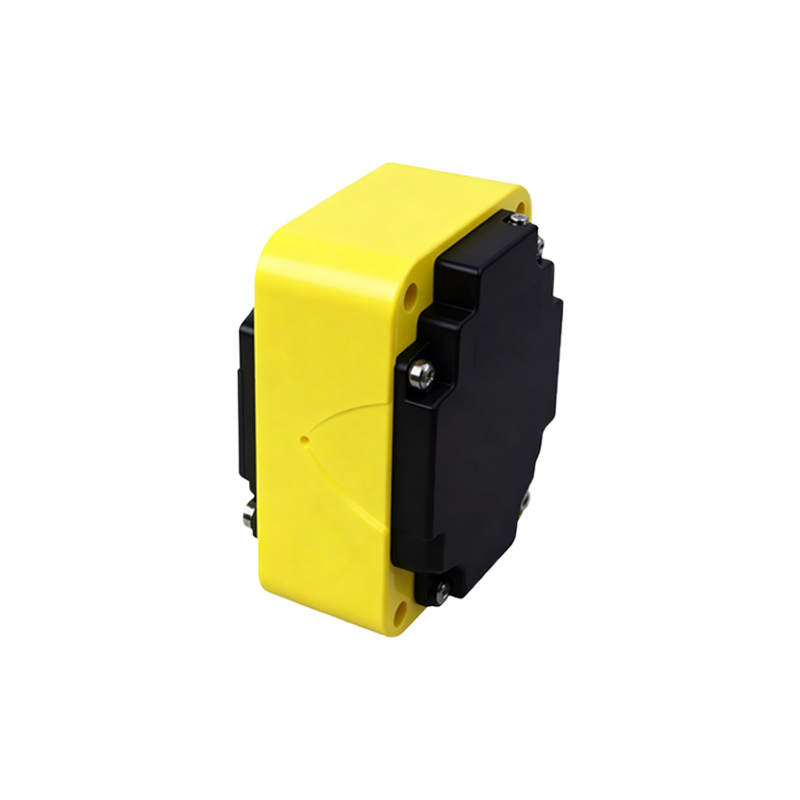
The rated sensing distance? It's a fantasy under real conditions. A sensor rated for 8mm might reliably detect only at 5mm when mounted near a variable-frequency drive (VFD). The culprit is electromagnetic interference (EMI), which induces noise in the oscillator circuit, causing false triggering or dead zones. I've documented cases where a sensor's effective range shrunk by 40% in high-EMI environments, despite using shielded cables. Another critical deviation is temperature. While datasheets list an operating range of -25 to 70°C, performance degrades significantly above 50°C. The internal oscillator's frequency drifts, altering the electromagnetic field's damping characteristics. In a steel mill application, we recorded a 15% decrease in repeatability accuracy when ambient temperature consistently hovered at 65°C, leading to undetected pallet positions. The solution isn't a "better" sensor but a systemic approach: install sensors at least 50cm from high-current cables, use ferrite cores on all leads, and derate the sensing distance by at least 25% for critical applications.
Boundary Conditions: When to Avoid Inductive Proximity Sensors Entirely
These sensors are not universal tools. Their failure in specific scenarios is predictable and catastrophic.
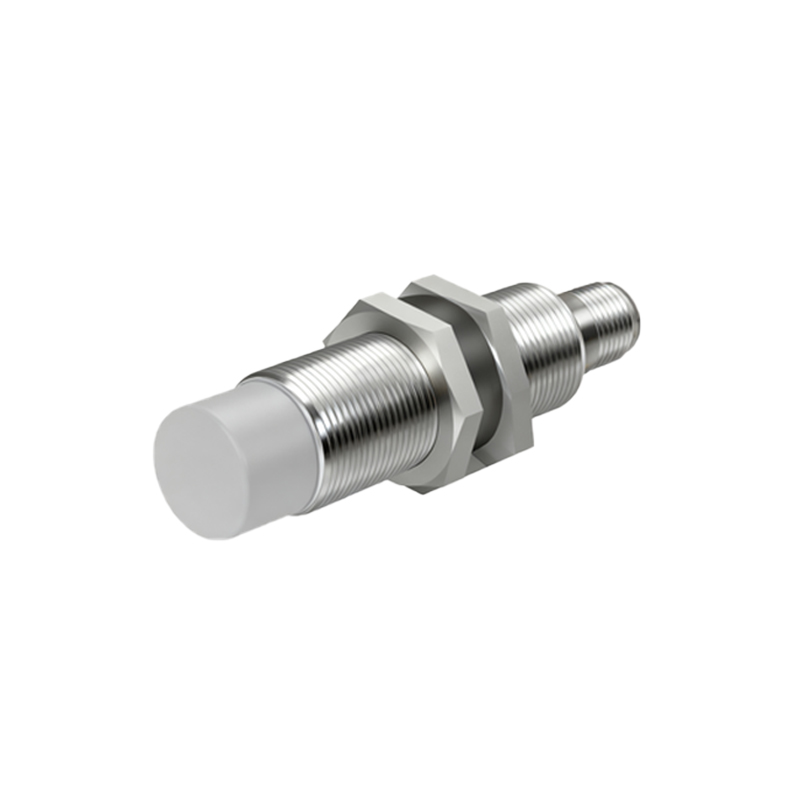
1. Non-Ferrous Metals with Low Conductivity: Standard inductive sensors work on eddy current loss. They perform poorly with austenitic stainless steels (e.g., 304, 316). The weak damping leads to unreliable switching. In a food processing line using 316L stainless buckets, we experienced a 30% miss rate. The fix was to switch to capacitive or ultrasonic sensors.
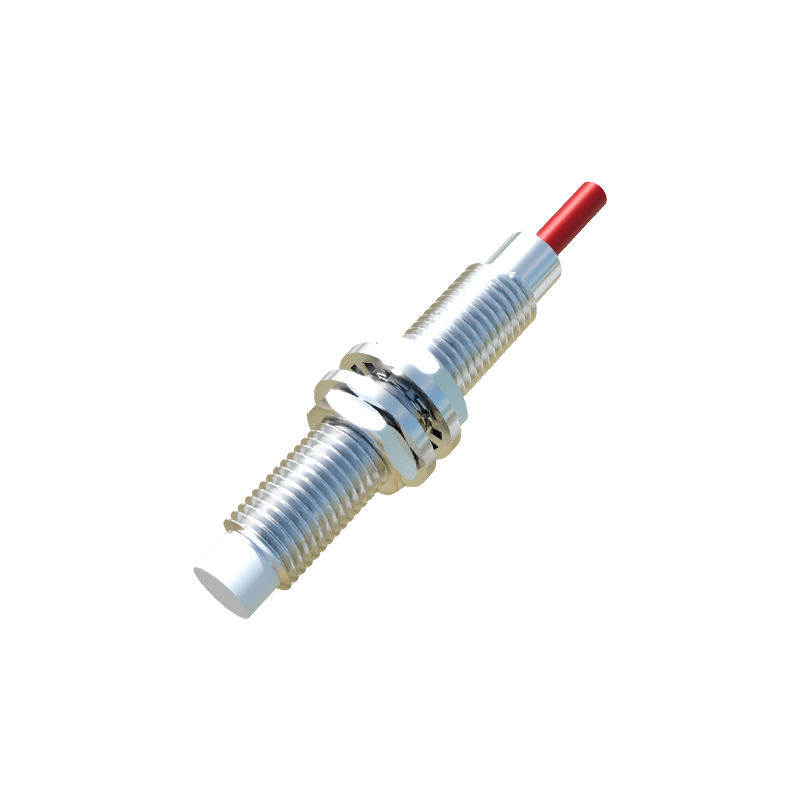
2. Extreme Vibration Environments: Vibration above 10g at frequencies matching the sensor's resonant mechanical frequency can cause internal component fracture or permanent calibration shift. In a stamping press, mounting a sensor directly on the press frame led to a mean time between failures (MTBF) of just 3 months. Isolating the sensor with a vibration-damping mount increased MTBF to over 24 months.
3. Targets with Varying Surface Properties: A sensor calibrated for a clean, flat steel surface will fail if the target is rusty, painted, or oily. A layer of paint can reduce effective sensing distance by up to 60%. In automotive welding lines, we implemented a routine to clean sensor faces and target surfaces every 48 operating hours, reducing false negatives by 90%.
Counterintuitive Conclusions: Data-Driven Insights That Defy Common Wisdom
1. A "Failing" Sensor Might Be Perfectly Healthy. A common panic scenario: a sensor stops detecting intermittently. The instinct is to replace it. However, data logs often reveal the issue is a changing target. We diagnosed a "faulty" sensor on a conveyor that was actually correctly failing to detect because the aluminum target had been replaced with a different alloy with lower conductivity. The sensor was reporting truth; the process had changed.
2. Higher Frequency Sensors Are Not Always Better. High-frequency inductive sensors (e.g., 5 kHz+) offer faster response. But in environments with conductive dust or coolant mist, they are prone to forming a conductive bridge across the sensing face, creating a permanent "target present" signal. In CNC machining centers, we reverted to lower-frequency (500 Hz) sensors, sacrificing milliseconds of response time for 99.8% uptime.
3. The Weakest Link is Often the Power Supply, Not the Sensor. Voltage ripple from a low-quality 24VDC power supply can cause erratic behavior indistinguishable from sensor failure. Measuring the supply voltage at the sensor terminals with an oscilloscope often reveals noise exceeding 200mVpp. Implementing a dedicated, regulated power supply with LC filtering for sensor clusters eliminated over 70% of "ghost" failures in one assembly plant. The sensor was the messenger, not the problem.
The core takeaway is this: Proximity sensor reliability is a system property, not a component specification. Success depends on understanding the hidden interactions between the sensor's physics, the target's material science, and the environment's electrical and mechanical noise profile. Stop swapping sensors and start analyzing the system.