Forget the pristine data sheets and lab-perfect demonstrations. After two decades of building, breaking, and deploying proximity sensors in mines, foundries, and automated warehouses, I'm here to cut through the noise. This is about what happens when theory meets grease, vibration, and relentless thermal cycling.
Experience Correction: The Gritty Reality of Spec Sheets
The first lie you'll encounter is sensing range under real loads. A sensor rated for 15mm in a cleanroom will degrade to 10-12mm in an environment with airborne particulates like graphite dust or metal powder. The emitted beam scatters. For inductive sensors, the nominal switching distance for mild steel (Fe360) is gospel, but switch to 304 stainless steel, and you lose 20-30% of that range immediately. The correction factor isn't a suggestion; it's a mandate. Temperature drift is another silent killer. A datasheet might claim operation from -25°C to 70°C. What it doesn't say is that the hysteresis (the difference between switch-on and switch-off points) can widen by up to 15% at the extremes, causing critical timing failures in high-speed indexing. You don't just derate; you over-engineer by a 40% margin on paper specs for mission-critical applications.
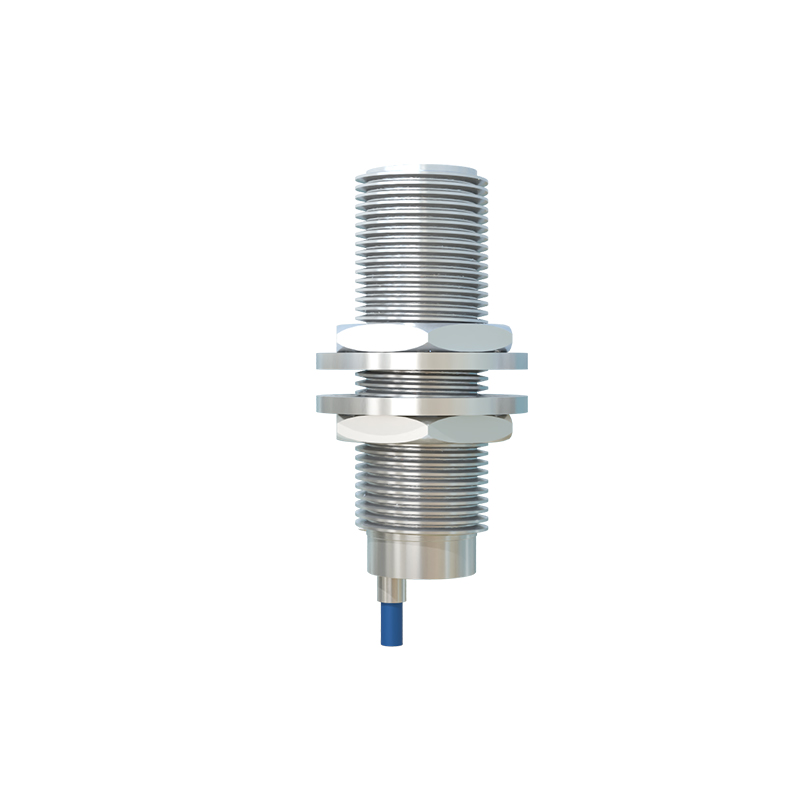
Boundary Conditions: Where Your Sensor Will Betray You
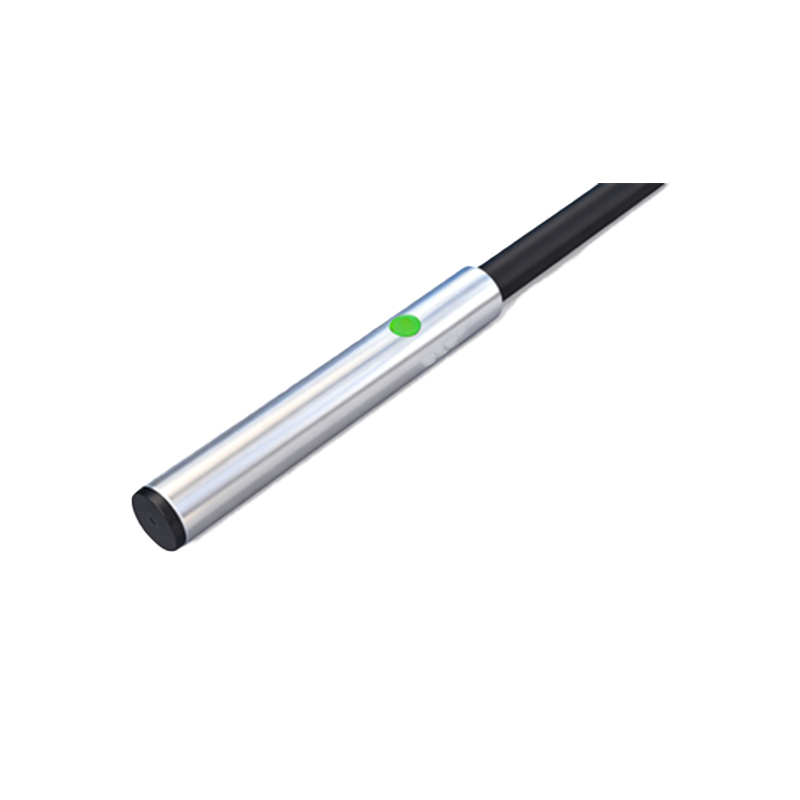
Proximity sensors are not universal tools. Deploy them in the wrong theater, and failure is guaranteed.
1. Conductive Contaminants: Inductive and capacitive sensors are rendered useless in environments with conductive slurry or foam. In a paper mill, capacitive sensors monitoring pulp levels will trigger falsely due to the conductive additives. The solution isn't a better sensor; it's a completely different technology (e.g., ultrasonic).
2. High-Speed Ferrous Debris Fields: In machining centers or metal stamping lines, tiny, fast-moving ferrous chips can trigger an inductive sensor from multiple inches away, far beyond its rated range. This isn't interference; it's the integrated effect of a hundred micro-signals. Here, a focused-field or shielded sensor is mandatory, and even then, physical baffles are often the real answer.
3. Extreme Electromagnetic Noise: The vicinity of variable frequency drives (VFDs) or large welding equipment creates a hellscape for any sensor with an oscillator. The common advice is to use shielded cables. That's kindergarten. You need dedicated conduit, ferrite clamps at both ends, and often, a DC sensor with a PNP output (sourcing) proves more noise-immune than NPN in these chaotic AC-heavy environments. Placing a sensor on a welding robot arm without military-grade shielding is an exercise in futility.
Counter-Intuitive Conclusions: Data-Backed Heresies
1. Sometimes, Less Sensitivity is More: In alignment or wafer-handling applications, engineers chase higher resolution. However, an overly sensitive capacitive sensor reacting to a human hand three feet away is a liability. I've consistently dialed down sensitivity by 50% to achieve stable detection at the intended 5mm range, eliminating false triggers from environmental drift. Stability trumps maximum theoretical sensitivity.
2. The "Sealed" Sensor Myth: IP67/IP68 ratings imply immersion immunity. But rapid thermal cycling (e.g., a cold sensor hit by steam) creates a vacuum inside the housing, drawing contaminants past the seals. I've autopsied hundreds of "sealed" failures. The fix? Specify sensors with epoxy-potted electronics and a mechanical seal, or use a purge collar. The rating is for static tests; dynamics kill.
3. Material Science Trumps Electronics: You can spend months tuning an LC circuit for perfect stability. But if the sensing face is made of standard PBT plastic, it will absorb cutting fluid and swell, changing the dielectric constant and crippling a capacitive sensor's calibration permanently. The breakthrough wasn't in the circuit; it was in specifying a virgin-PTFE or ceramic face. The core innovation is often in the passive material, not the active electronics.
The final insight is this: sensor selection is 30% electrical specification and 70% systems integration under stress. The most reliable installation I ever commissioned used a mid-tier sensor with a brilliantly designed stainless steel shroud, clean independent power, and a 20% reduction in rated performance parameters. It has run for 11 years without a fault. The other system, with top-tier sensors pushed to their datasheet limits, failed weekly. Build for the war, not the parade.
SEO