Forget the pristine datasheets. After twenty years of designing, testing, and debugging systems that rely on mobile proximity sensors, I'm here to cut through the marketing fluff. The real-world performance of these infrared (IR) or time-of-flight (ToF) modules is a story of compromises, environmental warfare, and silent failures. Let's dive into the gritty details.
Experience Correction: The Myth of Consistent Range. Every spec sheet proudly lists a detection range, typically 5-10 cm. In a controlled lab, this holds. In the field, it's a fantasy. The primary assassin is ambient IR noise. Sunlight is the arch-nemesis, flooding the sensor with IR radiation that can saturate the receiver, effectively blinding it. I've seen sensors fail to detect a cheek at 2 cm under direct noon sun, causing screens to stay on during calls. But it's not just the sun. Incandescent and halogen lights are significant IR emitters. Fluorescent and LED lights? Less so, but cheap drivers can introduce high-frequency IR flicker that creates signal noise. The real correction isn't about range; it's about signal-to-noise ratio (SNR) under dynamic, polluted optical environments. A sensor with a 5 cm range and excellent ambient light rejection will outperform a 10 cm sensor that's easily dazzled. The industry's dirty secret: calibration is often done for a "typical" office environment (approx. 500 lux, 3000K lighting). Deviate from that, and all bets are off.
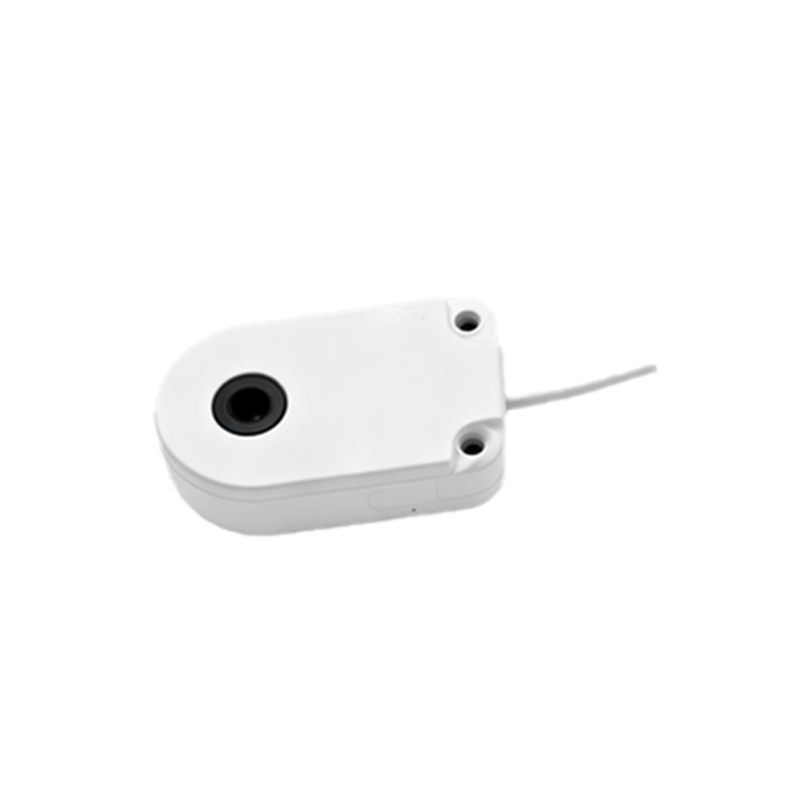
Boundary Conditions: Where It All Falls Apart. Proximity sensors are not universal presence detectors. Here are the high-risk failure zones:
1. High-Reflectivity, Close-Proximity Materials: This is a critical, often overlooked flaw. A sensor calibrated for human skin (low IR reflectivity) will behave erratically near glossy magazine pages, mirrors, or certain synthetic fabrics. The IR pulse reflects too efficiently, tricking the sensor into thinking an object is closer than it is, or causing oscillating on/off states. Placing a phone screen-down on a glossy manual can keep the screen disabled.
2. Condensing Environments and Contaminants: Fog, light rain, or a user's breath on a cold day can form a micro-layer of condensation on the sensor window. Water droplets scatter and absorb the IR wavelength used (usually 850-940 nm). The result is a drastic reduction in effective range or a complete failure. Similarly, the gradual buildup of lotion, makeup, and pocket lint on the window acts as an IR filter, degrading performance over months—a failure mode users blame on "software glitches."
3. Fast-Moving, Non-Organic Objects: The sensor's response time (often 100-200ms) is tuned for the relatively slow approach of a head to an earpiece. A fluttering piece of paper or a rapidly waving hand can create chaotic interrupts, confusing the device's state machine. In industrial settings where phones might be used near machinery, this can lead to unintended screen activations.
Counterintuitive Conclusion: A Weaker Emitter Can Be More Robust. This defies the "more power is better" instinct. Boosting IR LED drive current increases signal strength, yes, but it also exacerbates two hidden problems: 1) Internal Optical Crosstalk: No package is perfect. Higher output from the emitter LED increases parasitic leakage directly to the adjacent photodiode receiver inside the module. This creates a false baseline "offset," making it harder to distinguish a true reflection from this internal bleed. 2) Power Domain Noise: A pulsed high-current driver can induce voltage ripples on the board, especially in compact designs. This noise can couple into the sensitive analog front-end of the receiver, degrading the minimum detectable signal. In several chassis redesigns, we found that reducing drive current by 30% and focusing on optical baffling within the module to reduce crosstalk, combined with superior power isolation, yielded a 40% improvement in consistent performance across temperature extremes. The goal isn't maximum range; it's maximum discrimination between the emitted pulse and all sources of noise, both external and self-inflicted.
The takeaway? Evaluating a proximity sensor requires a torture test: from freezing, humid conditions to a dashboard under a summer sun, with targets ranging from denim to duct tape. The spec sheet number is the starting point for negotiation, not a guarantee. True reliability is engineered in the margins, anticipating all the ways the physical world conspires to break a seemingly simple digital switch.