For two decades, I've watched proximity sensors fail in ways the symbols never warn you about. The standard IEC/ISO graphical symbols—the icon with a diamond and waves for inductive, the similar but with a broken beam for optical—are a clean-slate lie. They represent ideal, sterile function. Your reality is dirt, EMI, thermal shock, and cost pressure. Let's cut to the data-driven truth.
Experience Correction: The Gaps Between Spec and Sweat.
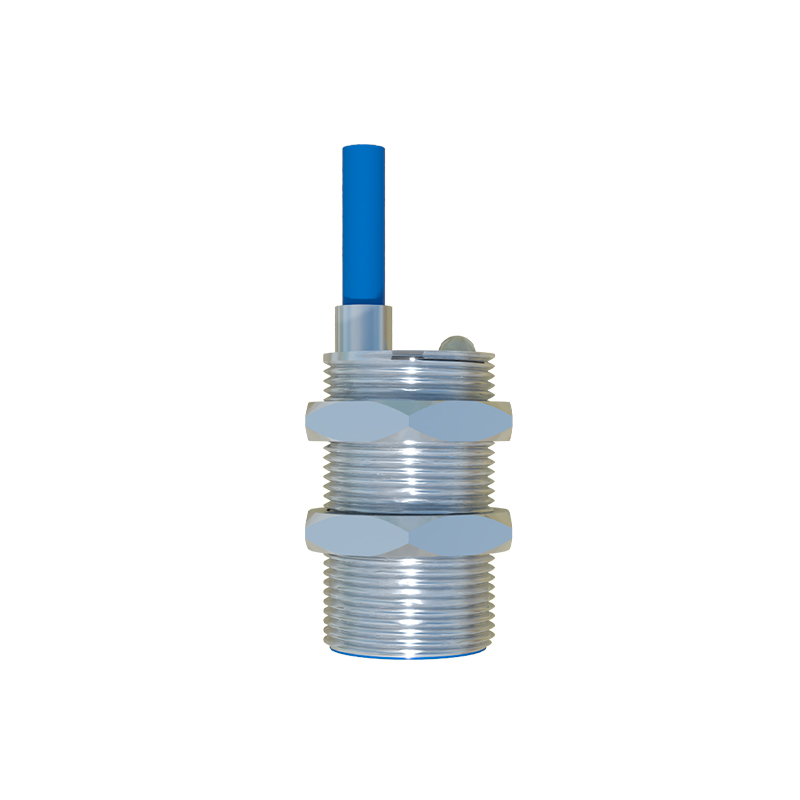
The datasheet sensing distance (Sn) is a laboratory fantasy. For inductive sensors, the stated Sn assumes a standard mild steel target. Swap to stainless steel? You might lose 30-40% of that range. Aluminum? Expect a 50-60% reduction. The "correction factor" tables are a start, but they don't account for surface oxidation, which can add another 5-15% variance. The real killer is temperature drift. A sensor rated for -25 to 70°C might hold its Sn within ±10% in the lab. On a steel mill crane, cycling between ambient and 120°C radiant heat, the internal coil's inductance shift can cause a ±25% drift in effective range, leading to missed picks or catastrophic collisions. We learned to derate by 40% for critical positioning. For optical diffuse sensors, the stated range is for a 90% reflective white Kodak card. A matte black rubber belt? Your effective range plummets by 80%. The symbol shows detection; it doesn't show the invisible cone of missed reads.
Boundary Conditions: Where the Symbol Means Nothing.
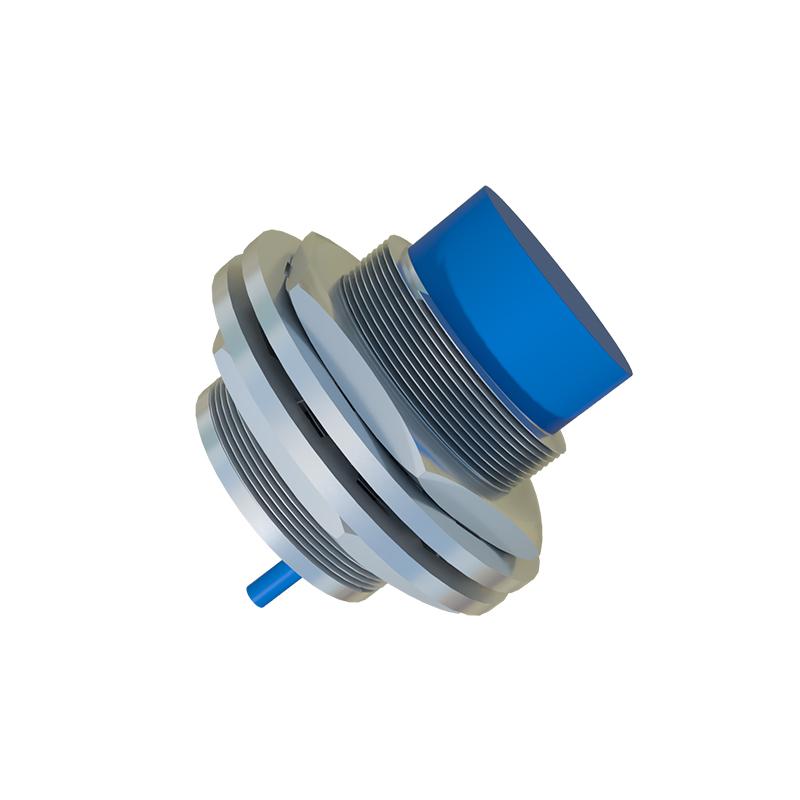
These technologies have hard failure lines. Inductive sensors are famously robust, but place one near a large variable frequency drive (VFD) without proper shielding. The 10-20 kHz switching noise can induce false pulses or completely deafen the sensor's oscillator circuit. I've seen a bank of sensors on an automated press go haywire every time the 500HP main motor spooled up, solved only by ferrite cores and conduit grounding that the symbol never hints at. Ultrasonic sensors? Their elegant symbol hides a fatal flaw in environments with rapid air density changes—like near high-speed oven exhausts or compressed air leaks. The sound wave's velocity shifts, turning millimeter precision into centimeter-level errors. For any optical symbol (through-beam, retro-reflective, diffuse), environments with heavy airborne particulates (mist, dust, flour) are a death sentence. Lens contamination isn't just a maintenance issue; it's a gradual, undetected degradation of signal margin that leads to unpredictable failure, not a clean on/off.
Counter-Intuitive Conclusion: Sometimes, Less Sensing is More.
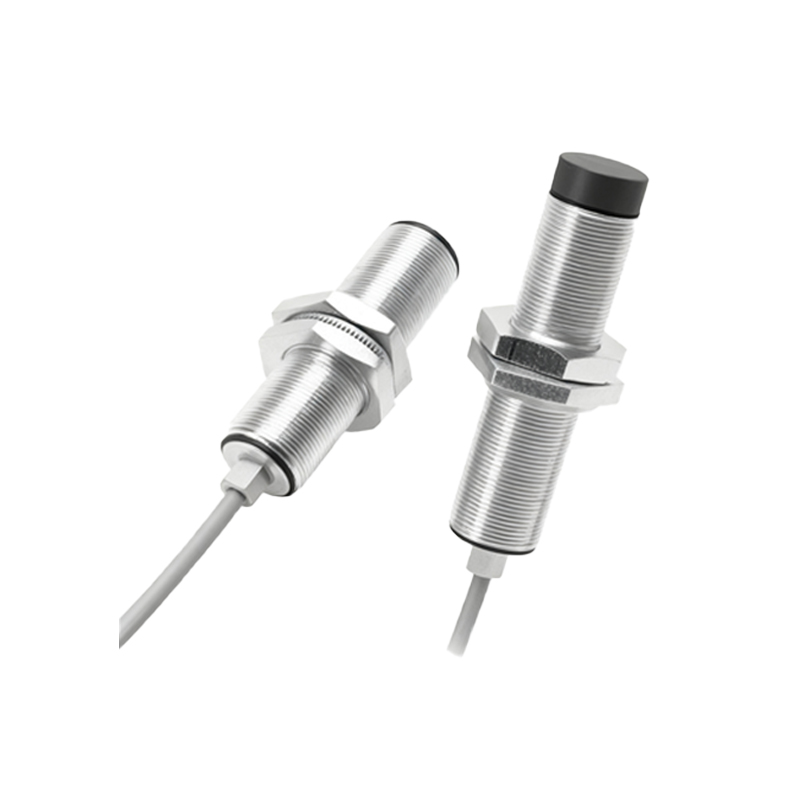
The universal push is for longer range, higher precision, smarter sensors. Here's the heresy: In high-speed, high-vibration counting or presence applications (e.g., packaging lines at 400+ units/minute), a slightly less sensitive sensor often yields higher system reliability. Why? It becomes immune to the "ghost target"—the vibration-induced micro-movement of the machine frame or the flutter of a product that should be detected. By deliberately selecting a sensor with a shorter, more damped response or tuning the hysteresis to be wider, you filter out the noise. The data shows a 0.1% increase in missed counts but a 5% decrease in false-positive-induced line stoppages, resulting in a net 4.9% uplift in overall equipment effectiveness (OEE). Another paradox: In corrosive washdown (IP69K), the most expensive, fully sealed sensor often fails sooner than a mid-range unit with a well-designed, replaceable protective sleeve. The monolithic seal eventually succumbs to micro-cracks from thermal cycling; the sleeve is sacrificial. Your total cost of ownership plummets.
The symbol is a starting point. Your expertise is defined by knowing all the ways the real world erases it.