Forget the brochure. After two decades knee-deep in crude, caustics, and cryogenics, I can tell you the invoice number for a level sensor is the smallest part of its total cost. The real expense is hidden in calibration drift, unplanned downtime, and catastrophic failure. Let's cut through the marketing fluff.
Experience Correction: The Myth of "Stated Accuracy"
Manufacturers tout ±0.25% FS accuracy. In a clean, 25°C lab, maybe. Now install that guided wave radar in a viscous, polymerizing fluid like molten sulfur or heavy crude. Coating builds up. The microwave pulse attenuates. Within weeks, your "high-accuracy" sensor is reading 3-5% low, silently causing overfill risks or inventory discrepancies. The correction? For coating applications, a non-contact radar with a focused antenna and high-frequency (80 GHz) is no longer a premium choice; it's the baseline. The cost of quarterly manual verification and cleaning for a coated probe far outweighs the initial sensor premium. Data from a 2022 terminal audit showed that "cheaper" capacitance probes required 12 man-hours/month per tank in maintenance versus 2 for properly specified radars.
Boundary Conditions: Where Your Go-To Technology Will Fail
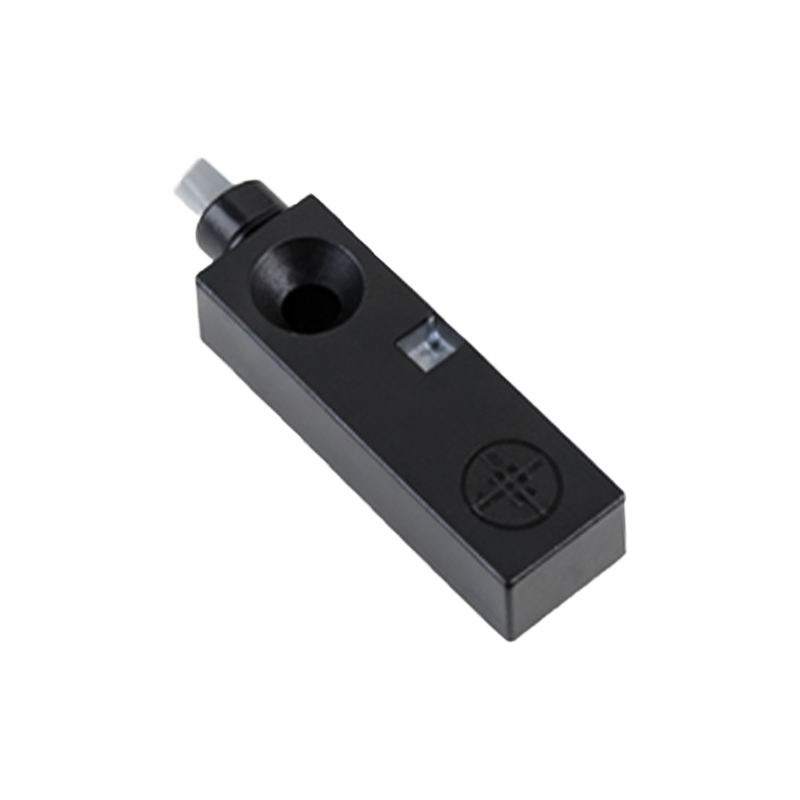
Ultrasonic sensors are popular for non-contact measurement. The boundary condition is vapor. In a pressurized LPG tank with heavy turbulent vapor space or in a vacuum distillation column, ultrasonic pulses scatter and fail. You get erratic, useless data. Similarly, magnetostrictive sensors are praised for accuracy. Their failure boundary is in high-vibration environments like on a ship's bunker tank or near a reciprocating compressor. The continuous mechanical stress on the float and probe leads to premature waveguide failure within months, not years. In these scenarios, a hydrostatic tank gauging (HTG) system, despite its higher complexity and cost, becomes the only viable option. Using a vibrating fork point level switch for high-pressure, pulsating flow? The tines will fatigue and snap. It's not an "if," but a "when."
Counter-Intuitive Conclusion: The Cheapest Sensor Often Demands the Most Expensive Installation
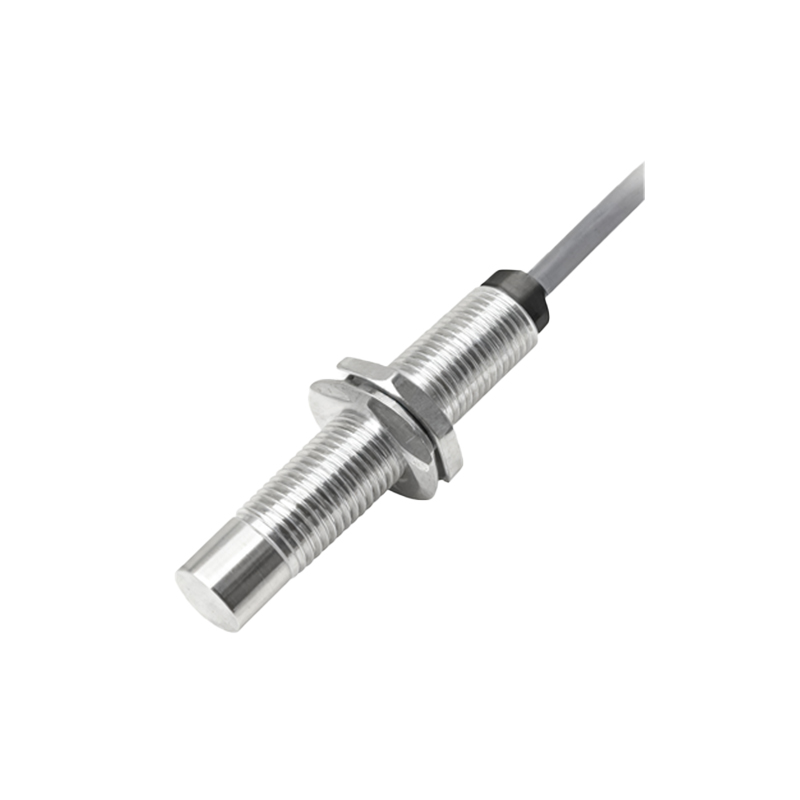
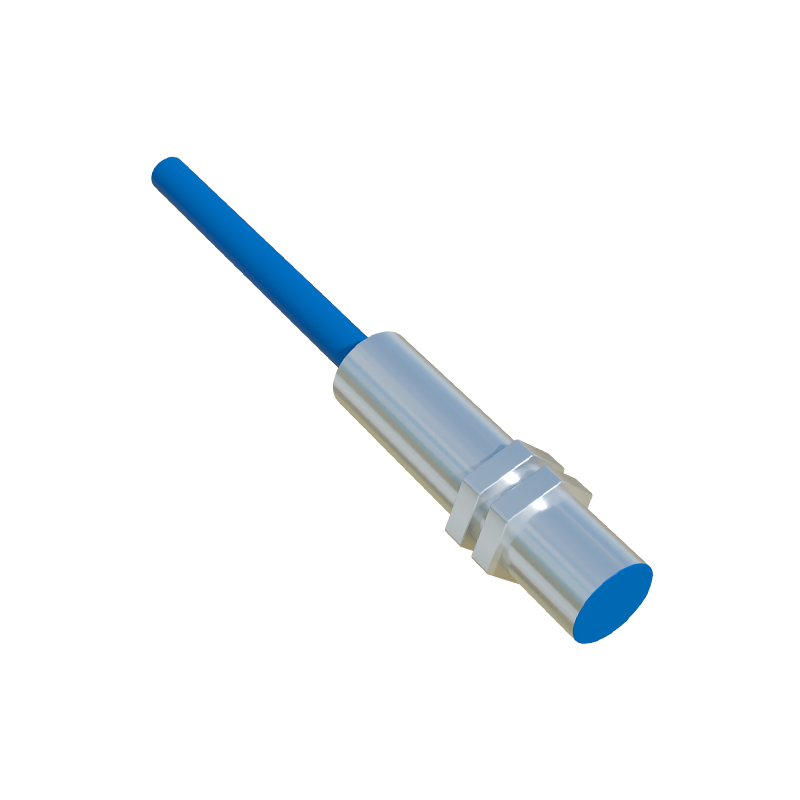
This is the hardest pill for project engineers to swallow. You select a $1,500 differential pressure transmitter for an open tank, thinking you've saved budget versus a $4,000 radar. Wrong. To get a stable and accurate reading, you now need extensive impulse piping, insulation, heat tracing (for freeze protection), and sediment chambers. The installed cost balloons to over $8,000. Meanwhile, the radar requires a single 2" NPT flange. The true TCO (Total Cost of Ownership) inverts the initial price comparison. Another non-obvious insight: In aggressive acid service (e.g., 98% H2SO4), an all-PTFE float in a magnetic level gauge will eventually become permeable and sink. The solution isn't a more exotic material; it's to abandon the moving part entirely. Use an externally mounted, non-contact radar or laser system. Sometimes, removing the sensor from the process entirely is the only path to reliability, even if the theoretical principle seems overkill.
The final price is not on the supplier's quote. It's in the P&ID details, the process fluid's true physical properties under stress, and the mean time between failures logged by your maintenance team. Specify based on failure modes, not datasheet ideals.