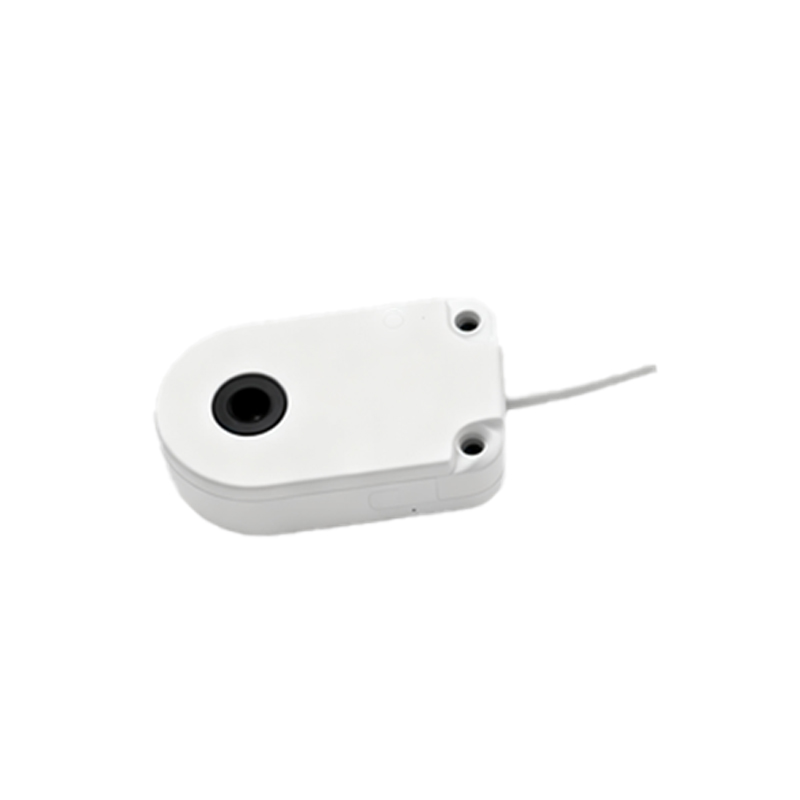
In the intricate world of industrial automation, robotics, and smart devices, proximity sensors are the silent, unseen sentinels. They detect the presence or absence of objects without physical contact, enabling precision, safety, and efficiency. However, the performance and reliability of your entire system hinge not just on the sensor technology itself, but critically on the proximity sensor supplier you choose. Selecting the right partner is a strategic decision that impacts product quality, supply chain stability, and long-term operational costs.
The market is flooded with suppliers, ranging from global electronics distributors and manufacturers' direct sales channels to specialized industrial component vendors. Navigating this landscape requires a methodical approach. The first and most crucial step is to deeply understand your application's specific requirements. Are you detecting ferrous metals, non-ferrous metals, or all materials? What is the required sensing range? What are the environmental conditions—extreme temperatures, washdowns, exposure to chemicals, or heavy vibration? The answers will dictate whether you need an inductive, capacitive, ultrasonic, or photoelectric proximity sensor. A reputable supplier won't just sell you a part number; their technical sales team will engage in this diagnostic conversation to recommend the optimal solution.
Technical expertise and support are non-negotiable differentiators. A top-tier supplier employs application engineers who understand sensor physics and real-world integration challenges. They can provide detailed datasheets, 2D/3D models for design integration, and clear guidance on electrical interfacing (e.g., NPN vs. PNP, NO vs. NC). Post-sale, this support extends to troubleshooting assistance. When a production line halts due to a sensing issue, having a supplier who can provide immediate technical guidance is invaluable compared to one who merely processes orders.
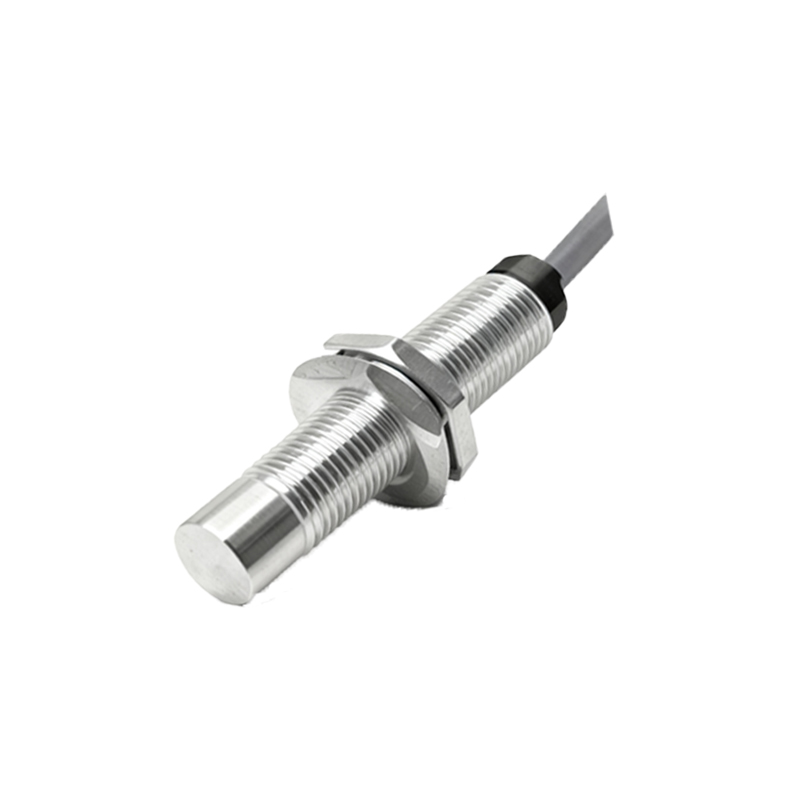
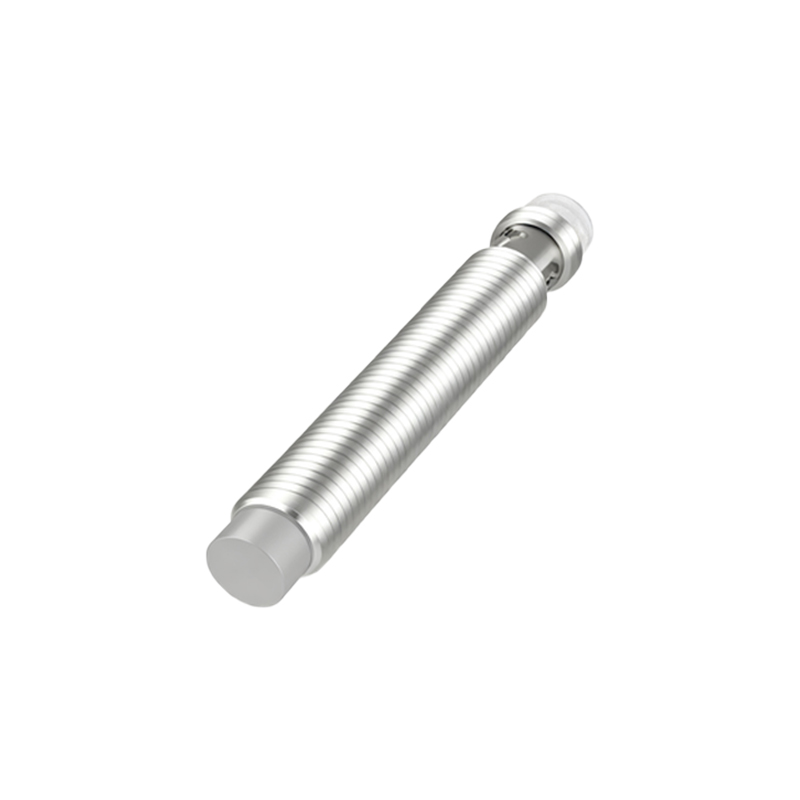
Product range and manufacturer partnerships are key indicators of a supplier's capability. Does the supplier represent leading, reputable sensor manufacturers like Sick, Omron, Pepperl+Fuchs, Balluff, or IFM? A broad portfolio from trusted brands suggests reliability and access to cutting-edge technology. Furthermore, consider if they offer a range of form factors (cylindrical, rectangular, slot-style), housing materials (stainless steel, nickel-plated brass, PBT plastic), and connection types (pre-wired, quick-disconnect). A supplier with a comprehensive inventory reduces the need to source different sensor types from multiple vendors, simplifying procurement and logistics.
Reliability in logistics and supply chain management is paramount in today's globalized manufacturing environment. Evaluate the supplier's inventory levels, lead times for standard and custom products, and their distribution network. Can they guarantee consistent stock of critical items? Do they have multiple warehouses for faster regional shipping? A supplier with robust inventory management systems minimizes the risk of production delays. Inquire about their processes for handling component shortages or end-of-life notifications from manufacturers; a proactive supplier will have mitigation strategies in place.
While price is always a factor, it should be evaluated in the context of total cost of ownership. The cheapest sensor from an unknown supplier may have a high failure rate, leading to costly downtime, rework, and replacement. A slightly higher upfront cost from a reliable supplier often translates to superior mean time between failures (MTBF), consistent performance, and better warranty terms. Assess the supplier's value-added services: do they offer kitting, custom labeling, or vendor-managed inventory (VMI) programs that can streamline your operations and reduce hidden costs?
Finally, consider the supplier's digital tools and ease of doing business. A modern supplier will have an intuitive, up-to-date website with advanced product search filters, real-time stock checking, and seamless e-commerce functionality. Access to comprehensive documentation, CAD files, and certificates (like RoHS, REACH) online saves significant engineering time. The efficiency of their order processing, invoicing, and customer service portals directly affects your administrative overhead.
In conclusion, choosing a proximity sensor supplier is a partnership decision. It moves beyond a transactional purchase to a relationship built on technical competence, reliable supply, and shared goals for your project's success. By rigorously evaluating potential partners on these criteria—application understanding, technical support, product breadth, supply chain resilience, and overall value—you secure more than just a component. You gain a critical ally in building robust, efficient, and innovative automated systems. Invest time in the selection process; the right supplier becomes a cornerstone of your operational reliability and competitive advantage.