Proximity sensors are fundamental components in modern automation, industrial control, and consumer electronics. Their primary function is to detect the presence or absence of an object within a specified range without physical contact. Understanding the standard lifespan of these sensors is crucial for system reliability, maintenance planning, and total cost of ownership. Unlike mechanical switches, proximity sensors have no moving parts to wear out from physical contact, which is a key factor in their generally long operational life.
The typical lifespan of a standard industrial proximity sensor is often quoted in terms of operational cycles or hours. A common benchmark for a quality inductive or capacitive proximity sensor is 10 to 50 million electrical switching cycles. When calculated based on continuous operation, this frequently translates to several years, even a decade or more, of service under normal conditions. However, stating a single, universal number is misleading. The actual service life is not a fixed value but a variable dependent on a complex interplay of factors.
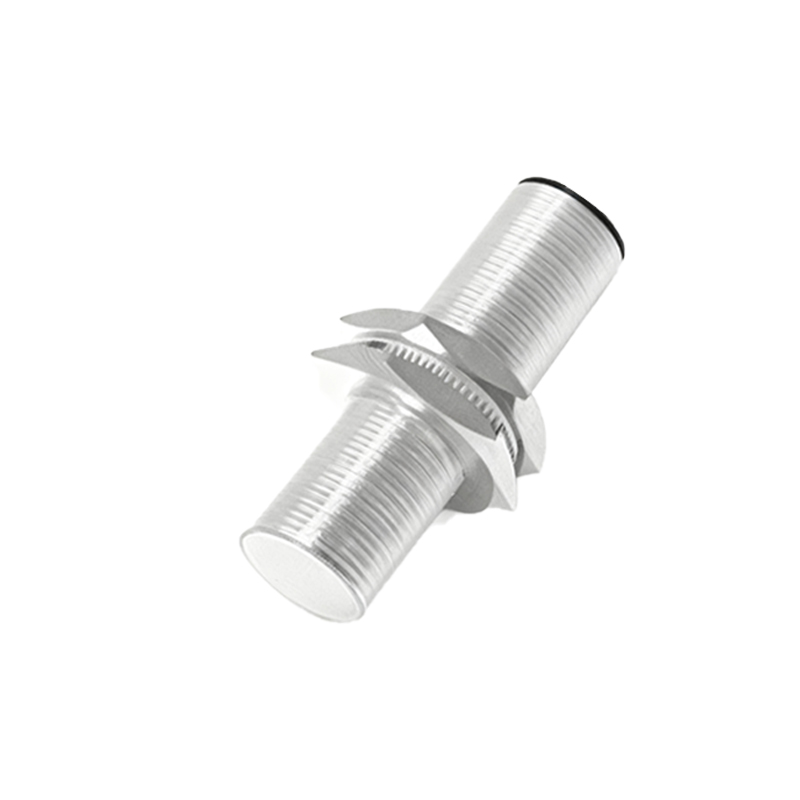
Sensor technology type is a primary determinant. Inductive sensors, which detect metallic objects, are renowned for their robustness and often achieve the highest lifespan estimates. Capacitive sensors, used for non-metallic materials, can be similarly durable but may be more susceptible to environmental changes. Photoelectric sensors, using light beams, have a lifespan heavily influenced by the light source; modern LED-based models last significantly longer than older incandescent types. Ultrasonic sensors, which use sound waves, have no consumable parts but can be affected by persistent contamination on the transducer face.
Environmental conditions are perhaps the most significant factor impacting longevity. Excessive heat is a major enemy of electronic components, including sensors. Operating consistently above the manufacturer's specified temperature rating can drastically reduce the lifespan by accelerating the degradation of internal semiconductors, plastics, and seals. Conversely, extreme cold can make materials brittle and affect performance. The presence of corrosive chemicals, oils, coolants, or salt spray can attack the sensor housing, degrade seals, and lead to internal corrosion or short circuits. Physical factors like continuous vibration or mechanical shock can loosen internal connections, crack circuit boards, or damage sensing elements. Even ambient humidity and dust/IP rating compliance play a critical role; a sensor not rated for its environment will inevitably fail prematurely.
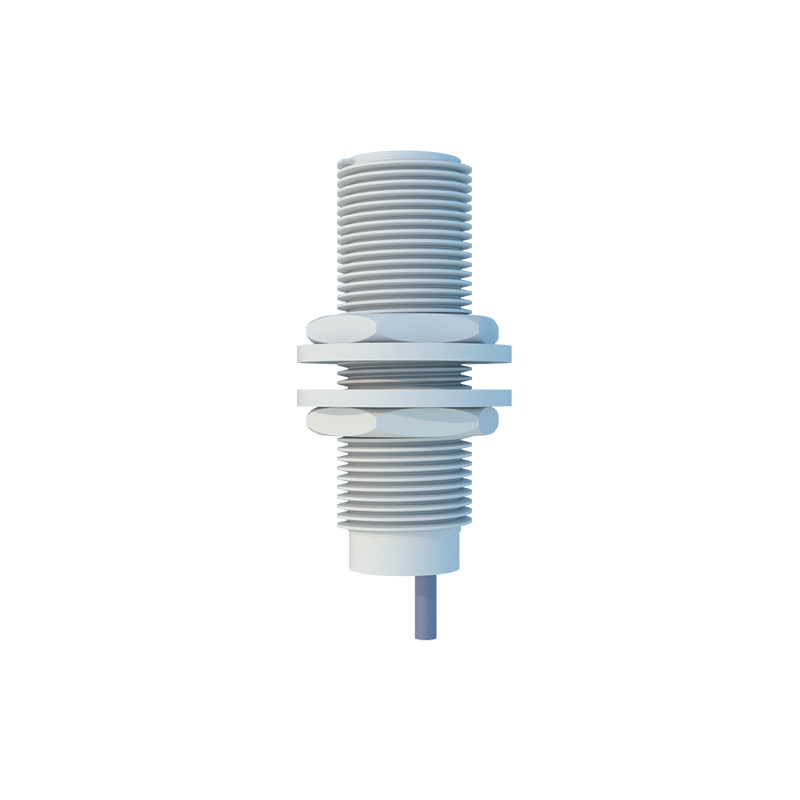
Electrical load characteristics are equally critical. A sensor switching a load at or below its rated current will experience minimal stress. However, switching inductive loads (like relays or solenoids) creates voltage spikes and inrush currents that cause electrical arcing and erosion of the output switching contacts (even in solid-state outputs). Consistently operating near or above the sensor's maximum switching current or voltage rating generates excessive heat and electrical stress, leading to a swift decline in performance and eventual failure. Proper selection for the application and the use of protective circuits are essential for maximizing life.
Installation and usage practices directly influence lifespan. Proper mounting, alignment, and ensuring the correct sensing distance are vital. A sensor constantly in a state of "flutter" (rapidly turning on and off due to a target at the edge of its sensing range) experiences significantly more electrical cycles and stress than one used for clean, definitive detection. Physical damage from collisions with machinery or objects, overtightening during installation, or using the sensor as a mechanical stop will cause immediate or progressive failure.
Manufacturing quality, inherent in the brand and model, sets the baseline lifespan. Sensors built with high-grade components, robust housings, and superior potting compounds to protect against vibration and moisture inherently last longer. Adherence to international standards (like IEC 60947-5-2) is a good indicator of a well-constructed product.
To maximize the operational life of a proximity sensor, follow these guidelines: Select the correct sensor type and technology for the application. Choose an environmental protection rating (IP, NEMA) that exceeds the expected conditions. Ensure the electrical characteristics (voltage, current, load type) are well within the sensor's specifications. Install it correctly, securely, and in a location that minimizes exposure to physical damage, extreme temperatures, and contaminants. Implement a routine preventive maintenance schedule to clean the sensing face, check mounting integrity, and verify electrical performance.
In conclusion, while a standard proximity sensor can reliably operate for tens of millions of cycles over many years, its realized lifespan is a direct function of application suitability, environmental hostility, electrical stress, and handling. There is no magic number, but through informed selection, proper installation, and conscientious operation, users can ensure their proximity sensors deliver their maximum potential service life, ensuring system uptime and optimizing operational costs.